St Vincent and the Grenadines is a group of islands in the southeast Caribbean. It is made up of 32 lush, Caribbean Sea surrounded islands, of which, only 9 are human inhabited. With volcanic terrain, crowded ports, and sun-kissed beaches, St Vincent is a popular spot for tourists who seek out the tropical climate. Though it has a fairly good economy and a decent income, most of it comes from wealthy foreigners who come from abroad to enjoy the sweet Caribbean heat on privately owned islets and in resorts. In this report, we will look beyond these hotels and discover St Vincent’s rich history, culture and heritage.
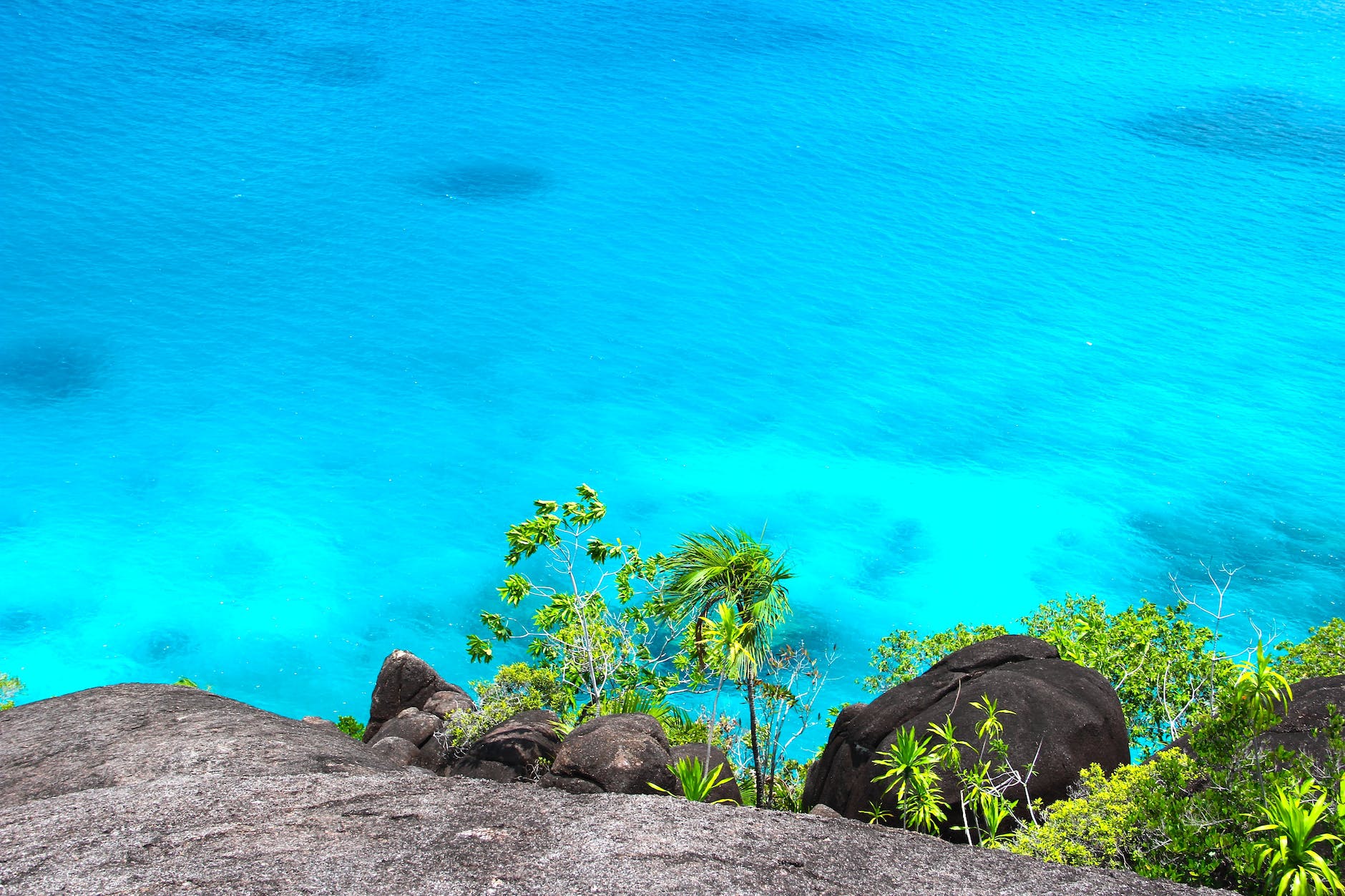
Cities St Vincent and the Grenadines has many different cities, each are unique and have their own styles of architecture. Most of the population lives in the country’s largest city and capital, Kingstown. Though it is said and spelt similarly to Jamaica’s Kingston, it is extremely different. Kingstown is a large port city situated in the south of St Vincent, and was created in 1722 by French settlers. The tallest building in Kingstown is the Financial Complex, a 60ft building that mainly houses government offices. Fort Charlotte has many spots where you can appreciate the wonder of the St Vincent and the Grenadines archipelago, and gaze into the idyllic landscape.
Nature The tropical rainforest of St Vincent and the Grenadines offer homes for a plethora of animals, and the stretches of ocean where the islands drift are full to bursting with a biodiversity. Rawacou is a park and garden found on the southwest of the island. With palm trees, two beaches, a pool, and some rock headland, Rawacou is sanctuary for wildlife such as humpback whales, brown pelicans, fish and the St Vincent amazon parrot, a green bird that is the country’s national animal. Many species of cetaceans gather around St Vincent to breed and find a mate: orcas, a large, monochromatic dolphin; false killer whales, an oceanic dolphin which makes up the entirety of genus pseudorca; and the pan-tropical spotted dolphin, a dolphin that has a distinctive ability jump. St Vincent and the Grenadines really has a plentitude of natural wonders.
Economy The majority of St Vincent and the Grenadines economy comes from tourism. Great amounts of unemployment, mainly from women and young people, are what St Vincent struggles with. Consequently, it is one of the poorest countries in the eastern Caribbean, and is therefore, not a popular destination for migrants, who only make up 5% of the population. Aside from tourism, banana farming and agriculture are it is main sources of economy, the largest exports being rice, flour and bananas, of which they mostly trade with neighbouring Caribbean islands. Moreover, you can appreciate that with a significant number of economic problems, St Vincent and the Grenadines is not the wealthiest country.
Thank you for reading and I hope you have a wild day -Gedemsa
 Bella's World