Vicuñas (also known as vicugna) are mammals found in South America and are related to Alpacas. They are a camelid (along with alpacas, llamas, guanacos and camels) and are not domesticated, unlike their close relatives. In the 1970s, they were critically endangered and many conservation projects were set up to help build up the population again. They are now listed as Least Concern but there are threats for them such as pacovicuñas, which is an alpaca and vicuña bred together, and some locals moving them out of their natural habitat because they need space for their cattle
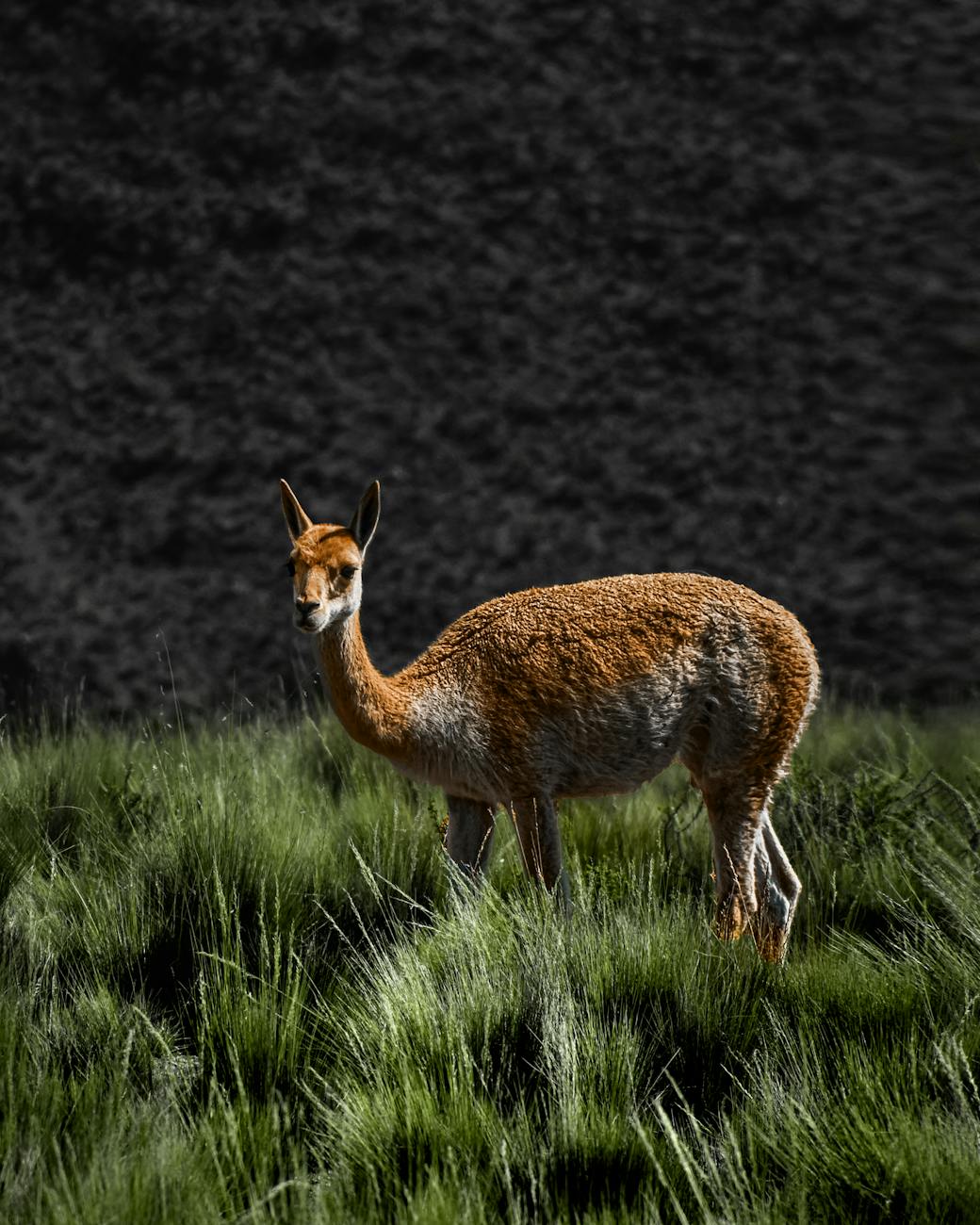
Their fur has actually been used for clothes for thousands of years as it is very warm and this helps them survive in their habitat: the Andes. The Incas used vicuña wool for clothing but only the emperor and nobility were allowed to use it, symbolising that their wool was very precious. Their population is around 350,000 and they are protected by Peruvian laws, so only certain companies can use their wool/fiber, and avoiding illegal sales of it’s unique wool. The animal is considered to be the smallest in the camelid family and have two subspecies, one which lives in dryer climates, and one that lives in wetter climates. Their main predator is the puma, who is responsible for 90% of deaths, and vicuñas rely on herds to stay safe. After the Incan Empire fell, the Spanish empire hunted and killed vicuñas almost to extinction, but thankfully there are not many threats for them now.
 Bella's World