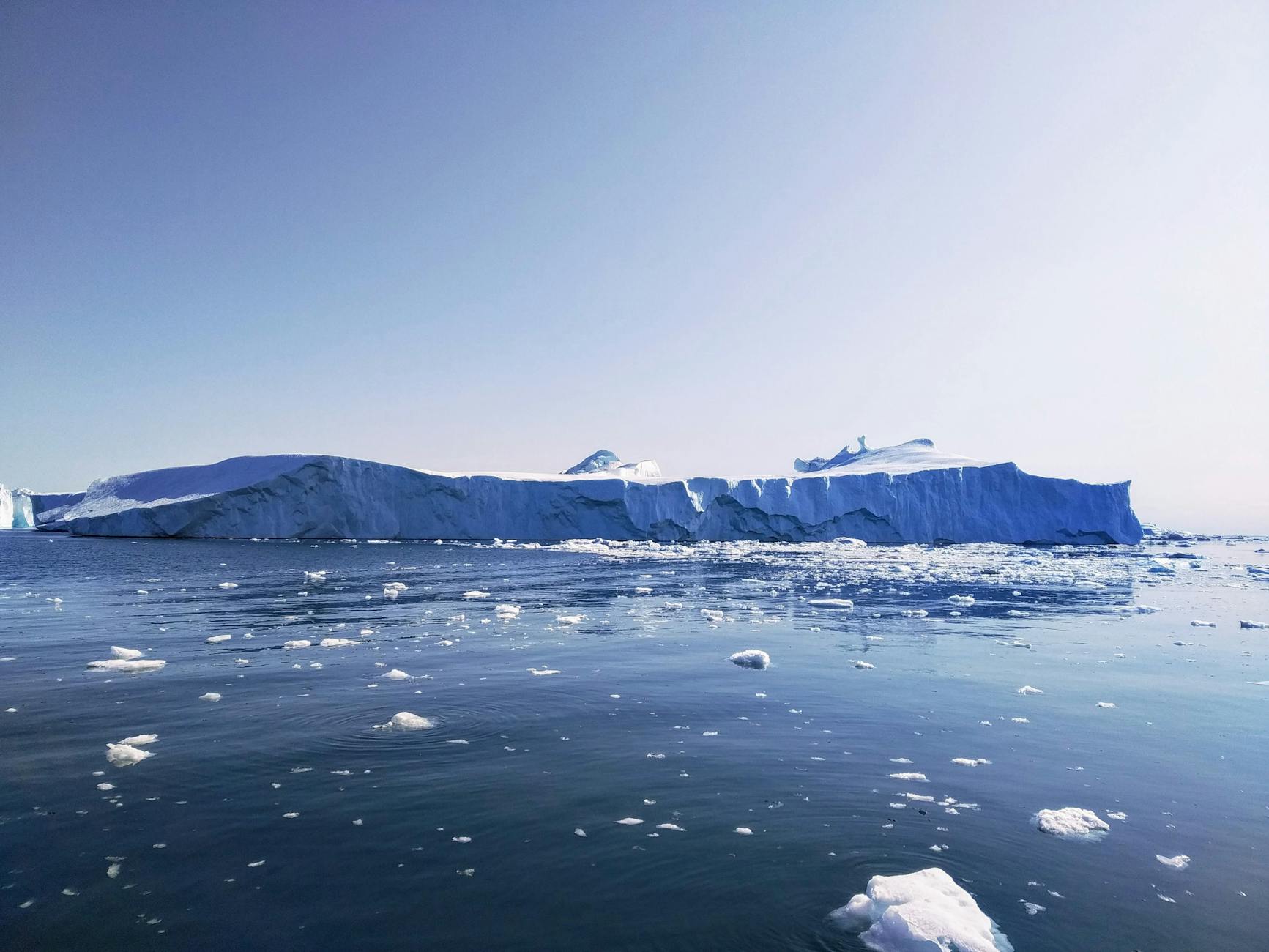
The far north has reached the peak of winter. This is a land of towering glaciers, treacherous temperatures, and furlongs of frozen ocean. Three months later, little has withstood the bleak conditions, but hope is arriving. Sun leaks into this barren arctic wasteland, as it begins a major transformation. Icebergs and glaciers begin to melt, and the snow starts to thaw. Sea that were once 2 metres of solid ice unfreeze, and welcome currents of nutrient-rich water. Everything looks different, and all the animals have realised. Spring has arrived.
The ocean is hive of activity. Aware of the spring sunshine, lots of creatures are stirring. Some of the first are starfish, who can sense changes in the water with the tips of the tubular feet on their arms, and begin to gather at the highest points of the ocean floor. Soon, the seabed is alive with a squirming vibrancy. Now that the water is effluent in nutrients, the starfish begin to spawn. Clouds of white starfish eggs float through the seawater, a cue for one creature. Sea cucumbers, who have lied on the seafloor for months, are emerging. Armed with 10 tendril-like arms, they are built for preying upon starfish eggs. At the end of their arms, they have web-like structures, which they wave around, catching as many starfish spawn as they can. The egg clouds are reduced and less starfish eggs remain.
All manor of creatures emerge, in order to absorb the new nutrients. Sea pens, a marine benthos, rise from the seabed to claim their share. Everyone appears to enjoy this annual marine feast. Fish from miles around migrate to enjoy the nourishing currents. Finally, when the sun has truly arrived in earnest, fronds of kelp begin to grow. Kelp are an aquatic algae, that help consume 4.5 million tonnes of carbon each year. With this new burst of life, the ocean has became a forest. This phenomena, that welcomes new life and activity, happens every spring. It transforms the lifeless Arctic Ocean, into a lush green sea.
 Bella's World