Tropical grasslands, also known as savannahs, are vast open landscapes situated primarily near the equator; these regions receive insufficient rainfall to support a tropical forest but enough to prevent desertification. Characterised by the presence of large herds of grazing mammals, including zebra, wildebeest, and antelopes, these delicate ecosystems are highly susceptible to disturbance, with even minor shifts in climate patterns or fluctuations in the population of a single animal species posing significant threats.
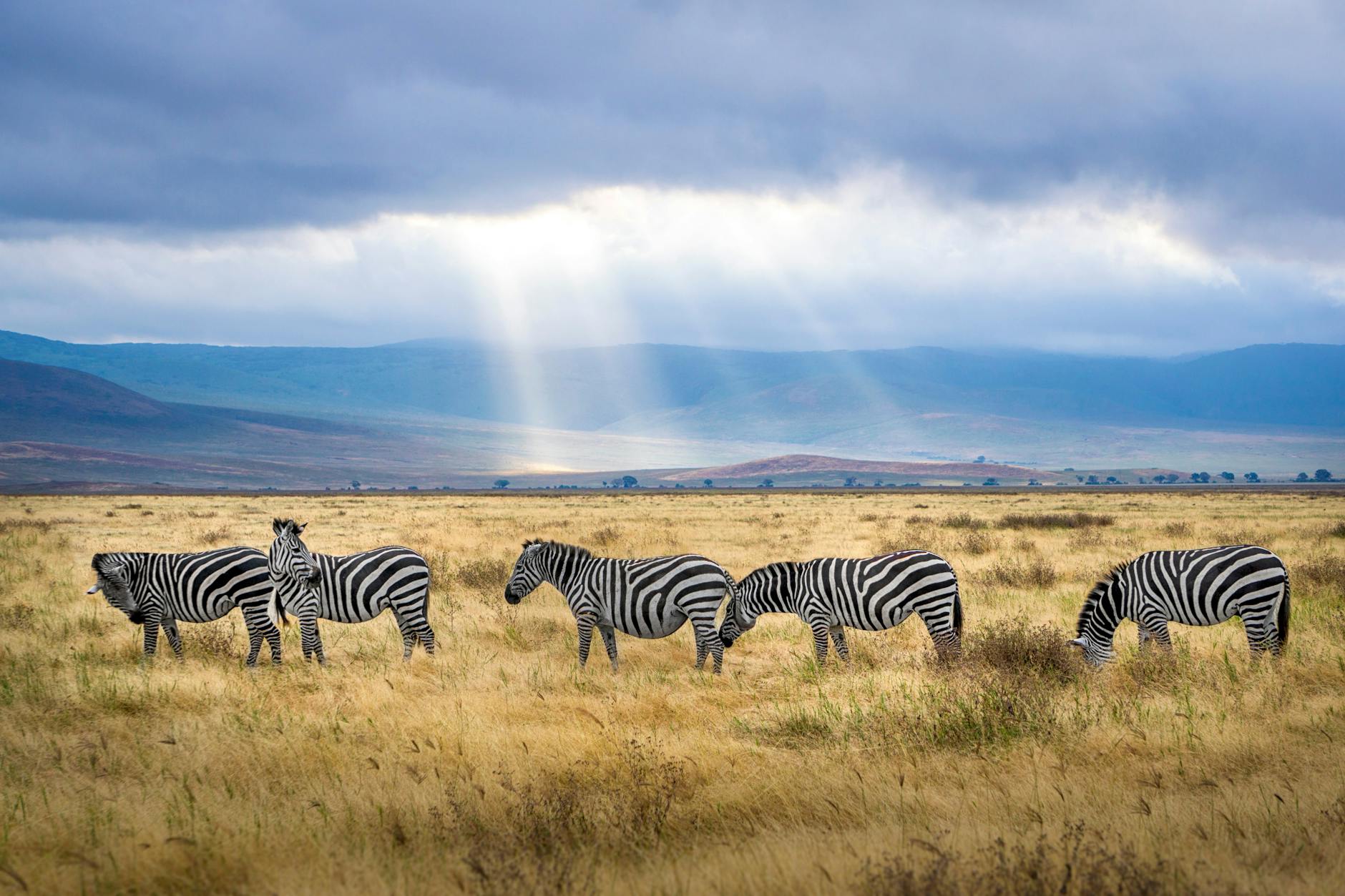
Tropical grasslands have semi-arid climates and are typically located in tropical regions near the equator. These areas undergo distinct dry and wet seasons, enduring strong, hot winds during the dry season and a deluge of heavy rainfall during the wet season. The abundant rain during the wet season can turn arid landscapes into flourishing wetlands. Fire plays a crucial role in these ecosystems by clearing out old grass and trees, facilitating the growth of new grasses essential for grazing mammals and contributing to the overall biodiversity and circle of life in these grasslands.
The world hosts a variety of tropical grasslands, each with its own inhabitants. One of the most iconic is the Serengeti, situated in North-Central Tanzania, serving as a habitat for an array of wildlife including lions, leopards, hippos, elephants, and gazelles. The expansive and vibrant Cerrado, spanning across Brazil, Bolivia, and Paraguay, stands as the largest tropical grassland globally, providing a home to diverse species like anteaters, armadillos, and the elusive maned wolves. Other notable tropical grasslands include the Chitwan National Park in Asia and the Carpentaria tropical savannah in Australia. To explore the allure of these captivating landscapes, use the links below.
 Bella's World