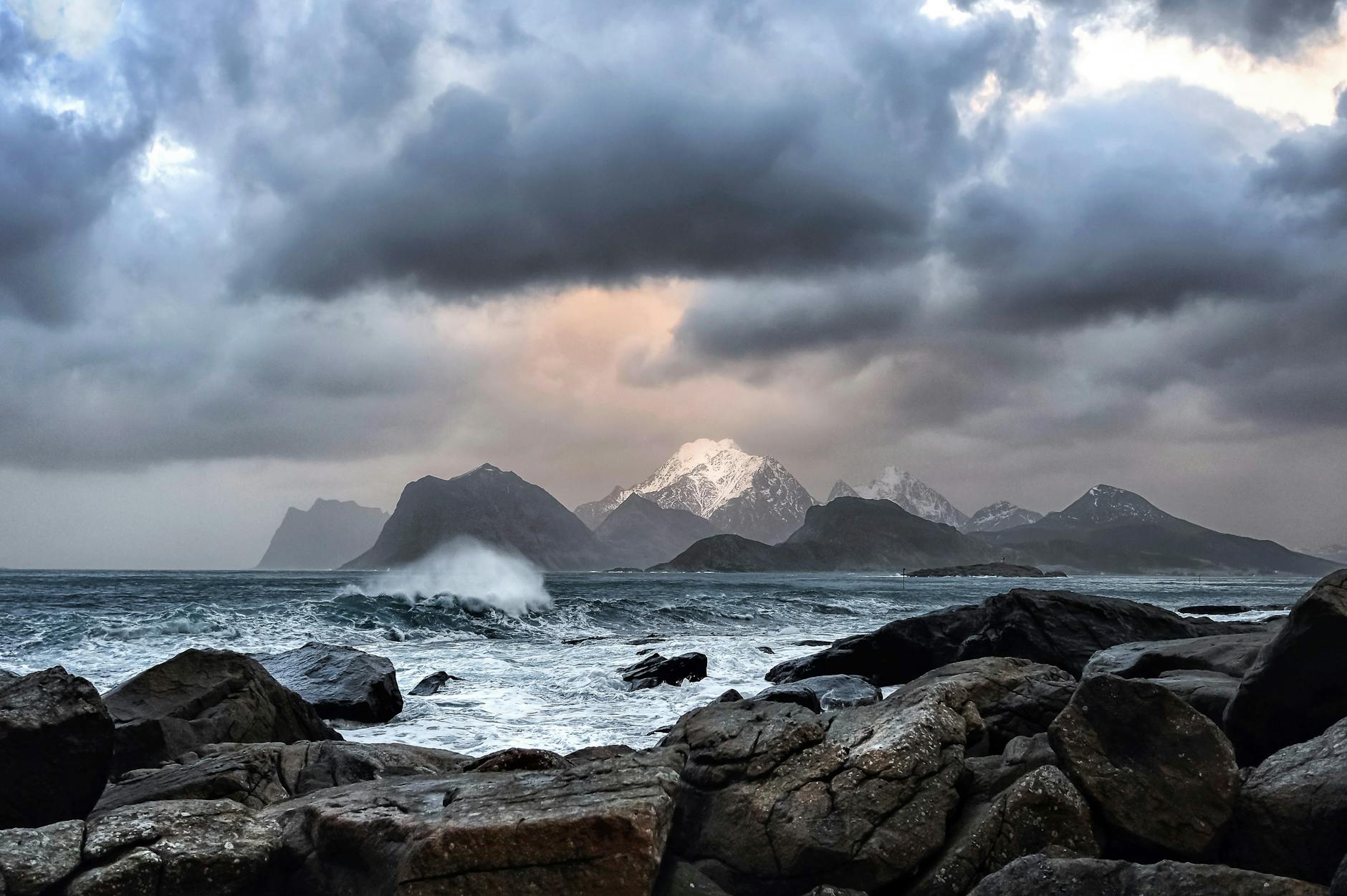
The Arctic tundra, often likened to Arctic deserts, stands as some of the most relentless and inhospitable terrains on Earth. Positioned in the far-flung frontiers of the North, these desolate landscapes brave severe conditions like snowstorms and blizzards. During winter, temperatures consistently plummet below freezing, fluctuating between 30 and -50°C, compelling animals to enter hibernation. As the summer months arrive, the weather becomes relatively milder, with temperatures ranging from 30 to 10°C. This transition heralds the return of animals from hibernation and the emergence of nutrient-rich waters that attract a diverse array of wildlife.
Even though arctic tundras experience tough and hostile conditions, they actually are home to plants. Throughout most of the year, a layer of permanently frozen substrate, known as permafrost, covers the ground, but this doesn’t stop several hardy plants from thriving. There are over 1000 different plant species in the Arctic and subarctic. The growing seasons in the arctic are short, which means most flowering-plants reproduce asexually through spores. Examples of vegetation found in the Arctic include: sedges, reindeer mosses, liverworts, crustose, and foliose lichens. Moreover, though arctic tundras seem barren and desolate places, they are home to a plethora of different interesting yet hardy plant species.
The world is home to various arctic tundras, each with its own unique characteristics. In the northern hemisphere, the largest tundra is the swathe region, which spans from Alaska through Canada to Greenland. Another notable tundra is the Fennoscandian tundra, encompassing Norway, Sweden, and Finland, as well as the Beringia Tundra. These tundras boast diverse flora and fauna, adapted to the extreme cold and harsh conditions. Exploring the Arctic tundras offers a glimpse into a fascinating and resilient ecosystem shaped by the forces of nature. You can do so with the links below.
 Bella's World