Hello World! My name is Bella, and I am dedicated to creating a brighter future for our beautiful planet. Together with my friends, we have launched a website aimed at inspiring others to join the fight against global warming. Our blog features a variety of posts that we hope will inspire and assist you and others in making a positive impact.
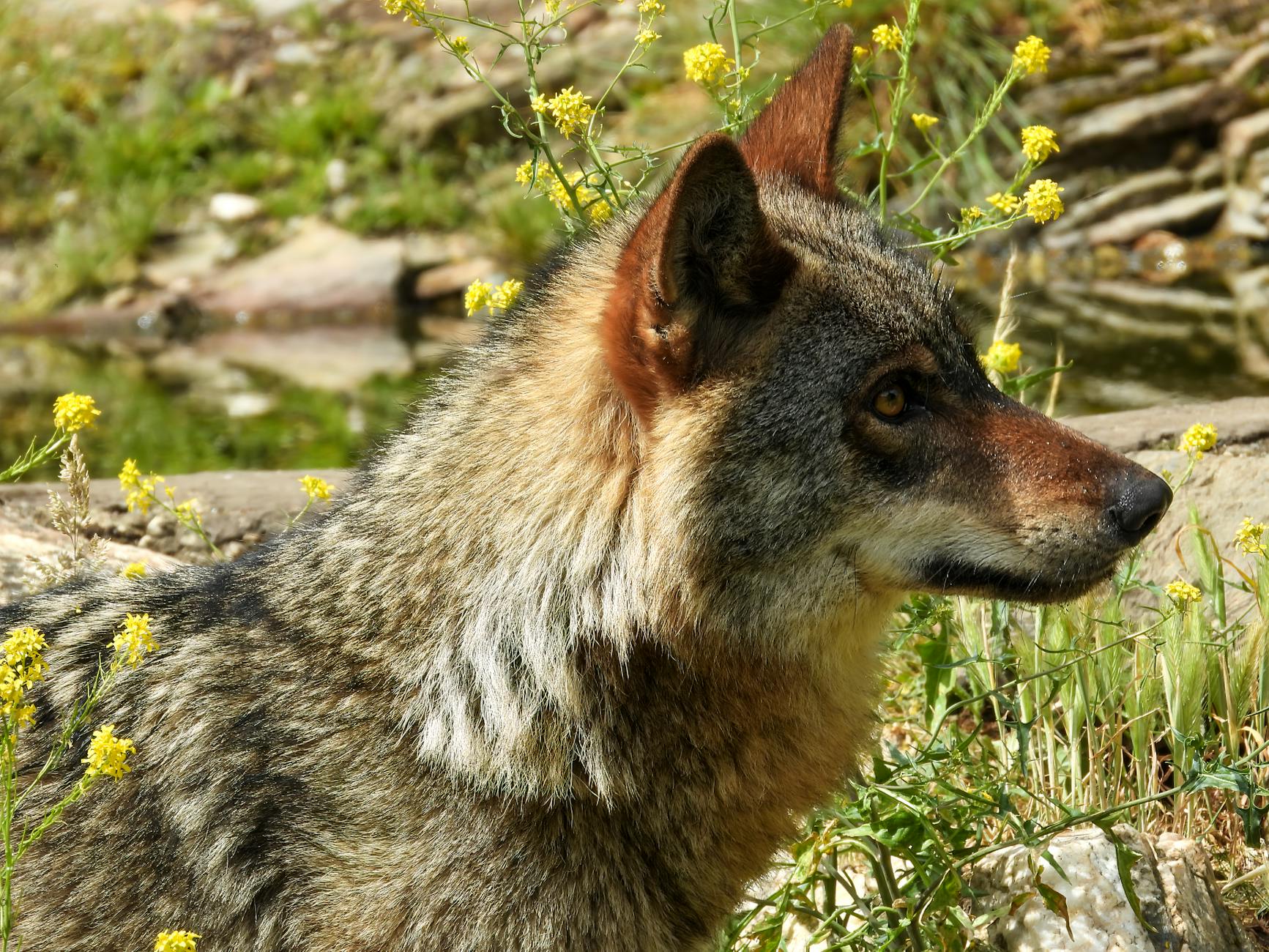
Welcome to or welcome back to Bella’s World today we are learning about red wolves. These critically endangered creatures have a distinctive red coat. But why are they so rare?
Red wolves habit southeastern America where they travel in packs of 2 – 10 individuals. Occasionally, they will go through periods of solitude but they survive more easily in packs. A red wolves diet consists of meat, their prey is the following: rabbits, raccoons, rodents and white tailed deer. Their habitat is composed of swamps, lush forests and coastal grasslands (prairies). Red wolves range from the states of Pennsylvania to Texas as they can travel 30 miles a day.
Despite being a protected species, red wolves are ruthlessly poached. A small number of people want to drive them to extinction. Additionally, red wolves suffer from severe habitat loss. Due to red wolf numbers being low, the ecosystem is being damaged. The number of elk, willow and aspen are skyrocketing according to the Colorado State University. However we are making progress, as they are a protected species. If you’d like more information please visit:
They have plenty of great data to support red wolves. Thank you for reading, I’d appreciate any comments letting me know about any news on the red wolf situation. Thank you for tuning in, like and follow:
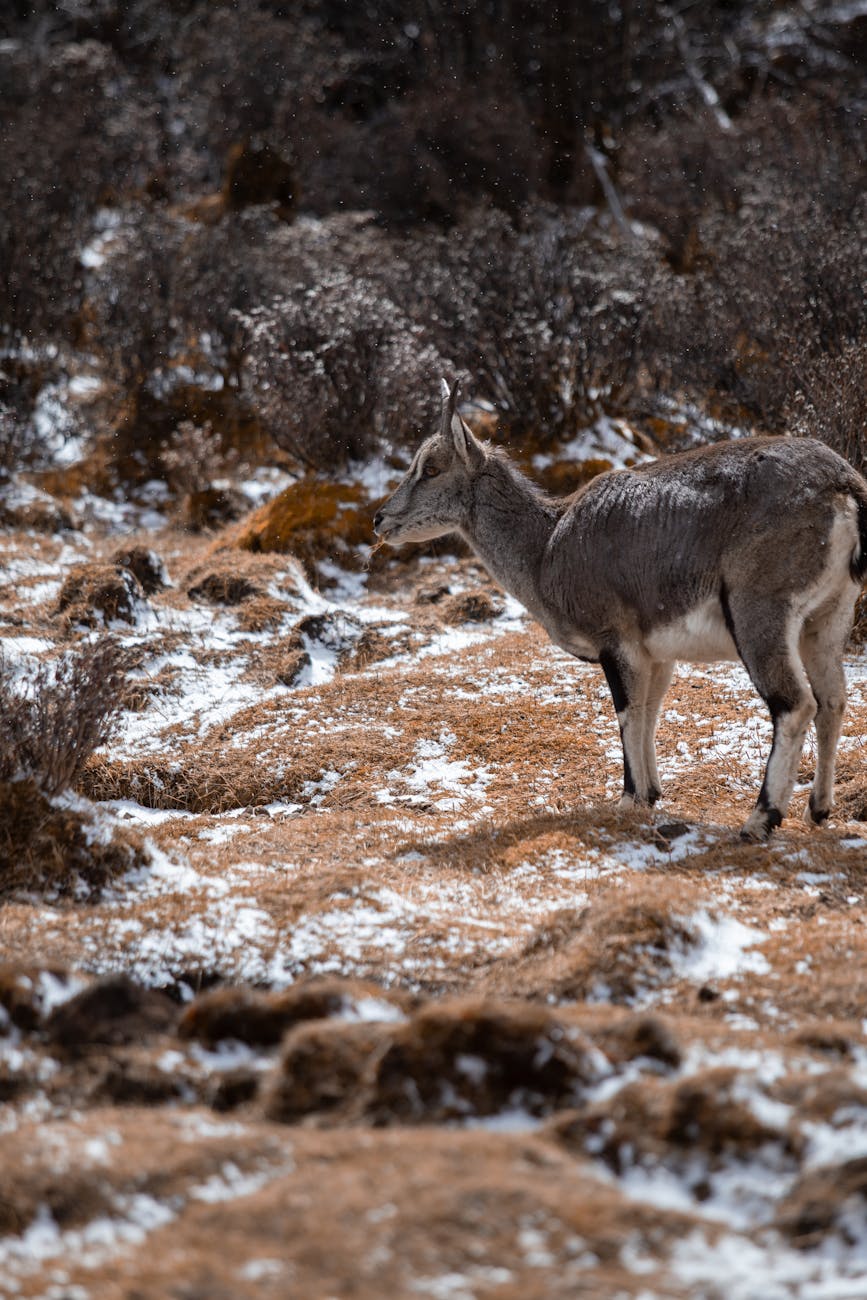
Welcome to or welcome back to Bella’s World, today we’ll be learning blue sheep and are they actually blue? They traverse steep hills and slopes which are hard to navigate.
They have similar behaviour to both sheep and goats as they travel in groups of a few individuals to hundreds (that’s quite rare though). Blue sheep have the evolutionary quirk of sexual dimorphism (meaning female and males look different) with the males being bulkier and larger.
They habit China, India, Bhutan, Myanmar, Nepal and Pakistan. Blue sheep tend to live in grassy hillsides or other alpine areas. They eat shrubs, grasses and forbs (any herbaceous flowering plant). Using their grey to slate blue coat they camouflage and evade predators. A blue sheep’s predators may be snow leopards and wolves. Though unlike their predators their conservation status is least concern.
Quick Facts:
They are part of the family Bovidae.
Blue Sheep have the alternate name Bharal.
They are the only member of the genus Pseudois.
Blue Sheep are actually more related to goats than sheep.
Thank you for reading, stay curious and don’t forget to like and subscribe! Tell me what name do use for blue sheep?
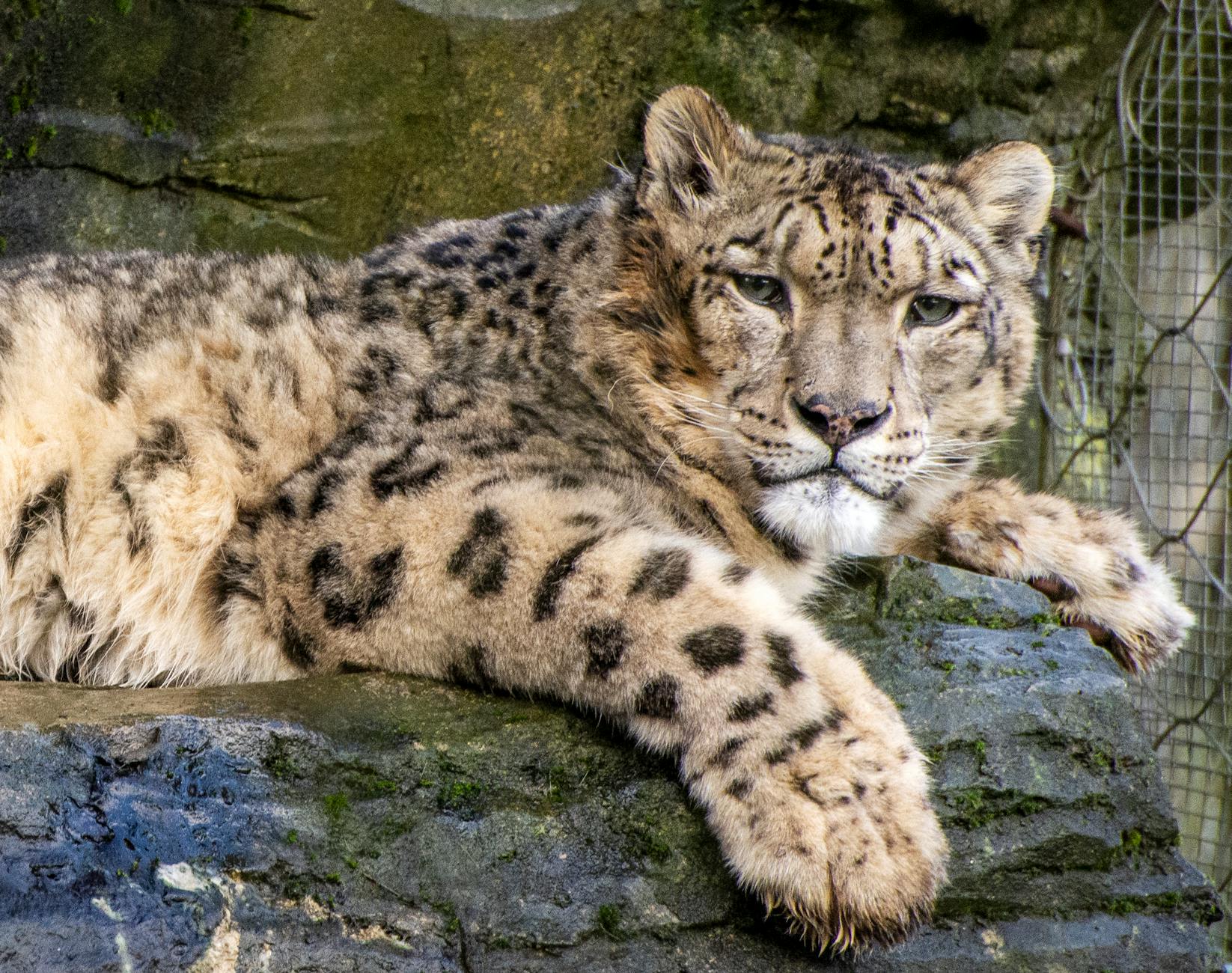
Snow Leopards are rare creatures with a white, spotted coat. They easily traverse the rough mountains of Central and Southeastern Asia. Snow leopards are master hunters capable of hunting in the haze of potential blizzards. On cold winter nights they take shelter in caves.
Snow leopards are solitary creatures and are quite territorial, often leading to intense fighting. They have sharp teeth that can tear through their prey with ease.
Thank you for reading, have a wonderful day and hit subscribe for amazing environmental content.
In the Terai Region of Southern Nepal, lies the Chitwan National Park, a revered world heritage site and a haven of undisturbed natural beauty. This captivating tropical grassland serves as a sanctuary for a diverse array of phenomenal wildlife, including elephants, rhinos, tigers, and much more. Nestled in the shadow of the mighty Himalayas, Chitwan National Park experiences a subtropical climate and encounters a monsoon season that lasts from June to September. It undeniably stands as one of the most bucolic landscapes and diverse ecosystems in Nepal.
One of the reasons why Chitwan National Park stands as a significant beacon of natural beauty in Nepal is because of its abundant and diverse fauna. The park is home to the iconic Bengal tiger, whose population had been slowly declining until conservationists took action to protect and preserve the species’ Nepali legacy. Additionally, the gharial, a critically endangered crocodilian found in several places in Nepal and Northern India, is named after the bulbous lump on the end of its nose, which is called a “ghar” and is used to attract a female. Moreover, Chitwan is home to numerous endangered and threatened species, some of which you can learn more about through the soon to be provided links below.
If you’re looking to explore the lush tropical grasslands of Chitwan National Park, there are numerous opportunities to observe wildlife. For a journey through the rainforest, consider the jungle safari; this is an unparalleled experience where you can encounter jungle creatures such as clouded leopards, chital deer, and langur monkeys. For a more adventurous option, you could opt for the elephant safari, offering stunning views of the beautiful rainforest and tropical grassland from the back of an elephant. If these options don’t suit your preferences, the sight-seeing tour provides an unforgettable experience of nature. It’s undeniable – Chitwan National Park is truly impressive and awe-inspiring, solidifying its status as one of the world’s most iconic tropical grasslands. Use the links below to find out more about Nepal.
The Arctic tundra, often likened to Arctic deserts, stands as some of the most relentless and inhospitable terrains on Earth. Positioned in the far-flung frontiers of the North, these desolate landscapes brave severe conditions like snowstorms and blizzards. During winter, temperatures consistently plummet below freezing, fluctuating between 30 and -50°C, compelling animals to enter hibernation. As the summer months arrive, the weather becomes relatively milder, with temperatures ranging from 30 to 10°C. This transition heralds the return of animals from hibernation and the emergence of nutrient-rich waters that attract a diverse array of wildlife.
Even though arctic tundras experience tough and hostile conditions, they actually are home to plants. Throughout most of the year, a layer of permanently frozen substrate, known as permafrost, covers the ground, but this doesn’t stop several hardy plants from thriving. There are over 1000 different plant species in the Arctic and subarctic. The growing seasons in the arctic are short, which means most flowering-plants reproduce asexually through spores. Examples of vegetation found in the Arctic include: sedges, reindeer mosses, liverworts, crustose, and foliose lichens. Moreover, though arctic tundras seem barren and desolate places, they are home to a plethora of different interesting yet hardy plant species.
The world is home to various arctic tundras, each with its own unique characteristics. In the northern hemisphere, the largest tundra is the swathe region, which spans from Alaska through Canada to Greenland. Another notable tundra is the Fennoscandian tundra, encompassing Norway, Sweden, and Finland, as well as the Beringia Tundra. These tundras boast diverse flora and fauna, adapted to the extreme cold and harsh conditions. Exploring the Arctic tundras offers a glimpse into a fascinating and resilient ecosystem shaped by the forces of nature. You can do so with the links below.
Covering only a minuscule 6% of Earth’s surface, tropical forests, also known as rainforests, are some of the most biodiverse ecosystems on our planet. These dense, lush environments are sanctuary to a remarkable 80% of all known species. Located near the equator, they boast a warm, humid climate; abundant rainfall; and a wet, steamy atmosphere. Their significance cannot be overstated, as they play a crucial role in absorbing 7.6 billion tonnes of carbon every year, making them essential for the well-being of our planet.
Tropical forests are complex and diverse ecosystems, with several layers that contribute to the health of the forest. The bottom layer, known as the forest-floor, is dark and shaded due to the towering trees blocking out most of the sunlight. It is thick with vegetation, carpeted with a layer of decaying leaves and dead trees, known as humus. The next layer is the understory, which is cool and shady, with limited sunlight. Liana vines and creepers take root in the forest-floor and climb up to wrap around trees. Above that is the canopy, a continuous layer of tree-tops that is home to various animals such as monkeys, big cats, and birds. The uppermost layer is the emergents, consisting of the tallest trees in the rainforest, approaching heights of 60 meters and emerging from the canopy.
Undoubtedly, the most iconic and famous of these is the Amazon, a beacon of life and biodiversity that spans eight South American nations. This remarkable rainforest stands as one of the most diverse places on the planet, providing a home to an array of fascinating creatures including jaguars, howler monkeys, and macaws. In Central Africa, the expansive Congo Basin covers an area larger than Alaska and is aptly nicknamed ‘the lungs of Africa’ for its incredible capacity to absorb carbon, even surpassing the mighty Amazon in this regard. Within this vast expanse reside rare and endangered species such as the okapi, gorillas, and chimpanzees. Additionally, the tropical forests of Papua New Guinea in South East Asia and Madagascar’s Makira natural park also hold noteworthy status. Discover more about these incredible ecosystems with the links provided below.
I was taking a short break from posting on Bella’s World, but now I am back and I will be posting more regularly again.
A daffodil (Narcissus pseudonaricissus) is a bulb-forming plant in the amaryllis family, widely cultivated for its showy, trumpet like flowers which emerge in Spring. It is native to northern Europe and is grown in temperate climates around the world.
The popularity of a daffodil has resulted in the production of many varieties; in addition to the classic yellow form, the trumpet and petals may themselves be of contrasting yellow, white, pink or orange.
It is a perennial and grows to about 41cm (16 inches) in height and each plant features five or six linear leaves that grow from the bulb and are about 30cm (12 inches) long. The stem bears one large yellow blossom with corolla deeply cleft into six lobes of tepals (undifferentiated petals and sepals) and a central bell-shaped crown, or corona, that is frilled at the edges. The trumpet shape contains the stigma and is the flower’s most conspicuous feature.
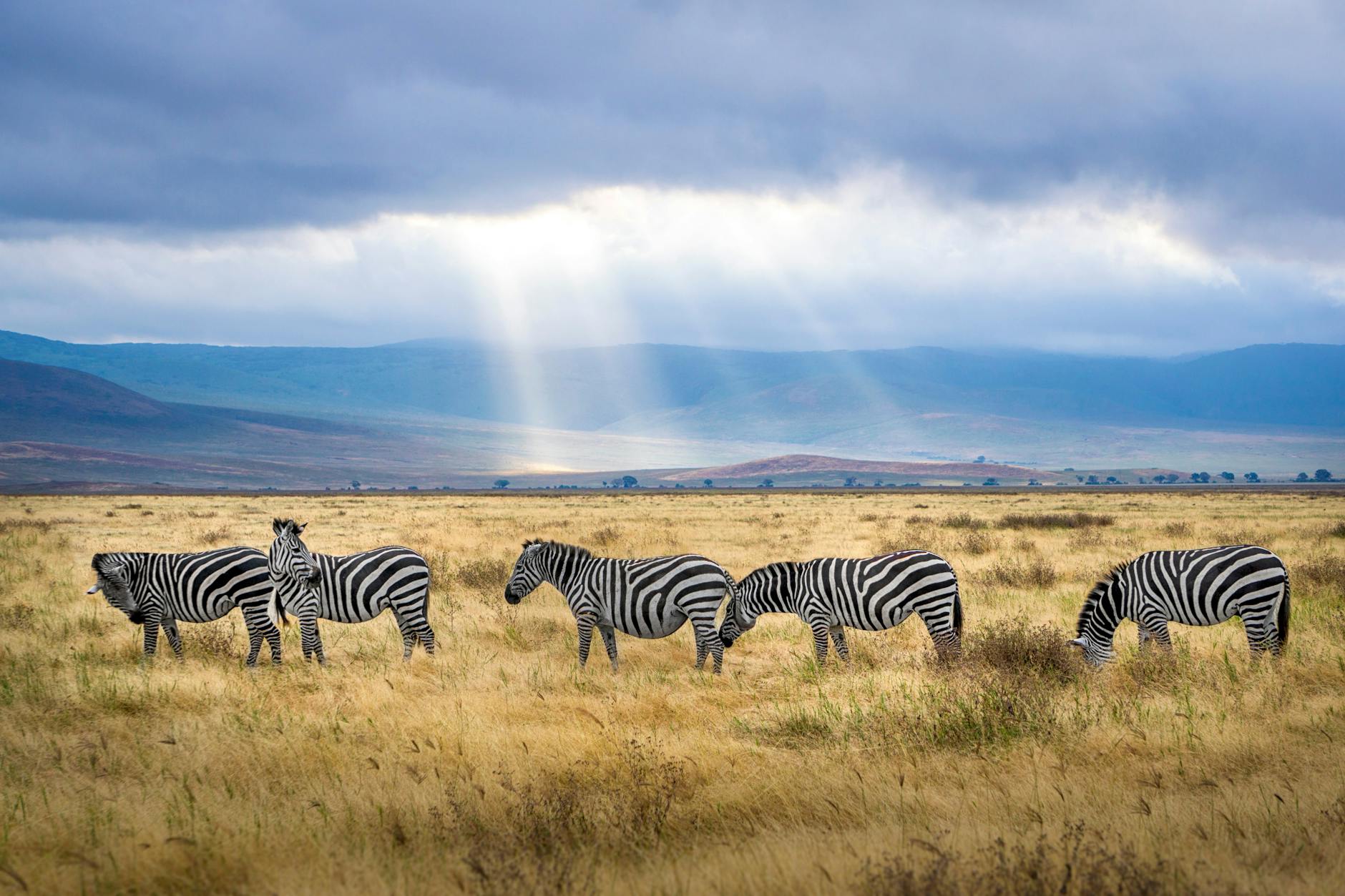
Tropical grasslands, also known as savannahs, are vast open landscapes situated primarily near the equator; these regions receive insufficient rainfall to support a tropical forest but enough to prevent desertification. Characterised by the presence of large herds of grazing mammals, including zebra, wildebeest, and antelopes, these delicate ecosystems are highly susceptible to disturbance, with even minor shifts in climate patterns or fluctuations in the population of a single animal species posing significant threats.
Tropical grasslands have semi-arid climates and are typically located in tropical regions near the equator. These areas undergo distinct dry and wet seasons, enduring strong, hot winds during the dry season and a deluge of heavy rainfall during the wet season. The abundant rain during the wet season can turn arid landscapes into flourishing wetlands. Fire plays a crucial role in these ecosystems by clearing out old grass and trees, facilitating the growth of new grasses essential for grazing mammals and contributing to the overall biodiversity and circle of life in these grasslands.
The world hosts a variety of tropical grasslands, each with its own inhabitants. One of the most iconic is the Serengeti, situated in North-Central Tanzania, serving as a habitat for an array of wildlife including lions, leopards, hippos, elephants, and gazelles. The expansive and vibrant Cerrado, spanning across Brazil, Bolivia, and Paraguay, stands as the largest tropical grassland globally, providing a home to diverse species like anteaters, armadillos, and the elusive maned wolves. Other notable tropical grasslands include the Chitwan National Park in Asia and the Carpentaria tropical savannah in Australia. To explore the allure of these captivating landscapes, use the links below.
Welcome to or back to Bella’s World, today I’m talking about parakeets in Rome. On holiday a few days ago my family and I were frequently spotting parakeets. Parakeets live in Southeast Asia, Africa and tropical South America. However are now in Italy despite not being native.
While trudging to our hotel (we are not use to temperatures above 18c) my dad looks up to the sky and I do the same. All of a sudden, a bright green, chattering bird flies above us. We realise that was a parakeet. Specifically a Monk Parakeet. I began to become curious, so I researched!
There are multiple reasons why Monk parakeets and Rose – Ringed Parakeets live in Rome. I’ll get started with the pet trade. Decades ago parakeets were ripped from their habitats and sold all around Europe. Some sold directly to regular people others sold to aviaries. In a matter of months they began to escape from their homes. Over the years their population skyrocketed and they rule over Rome.
The other reason is climate change (again). In their habitats it has become to hot for the parakeets so they fly around looking for new homes. So after an arduous journey they land in Rome. Rome sits at comfortable temperatures of about 19 – 30 degrees. Perfect for parakeets so with the escaped birds their arrival that only helped boost the population. However this isn’t great as they reek havoc on the environment. They eat the crops and destroy farms cutting down on food.
Please comment your favourite bird and don’t forget to like and follow. This was an epic in length! Thank you for reading.
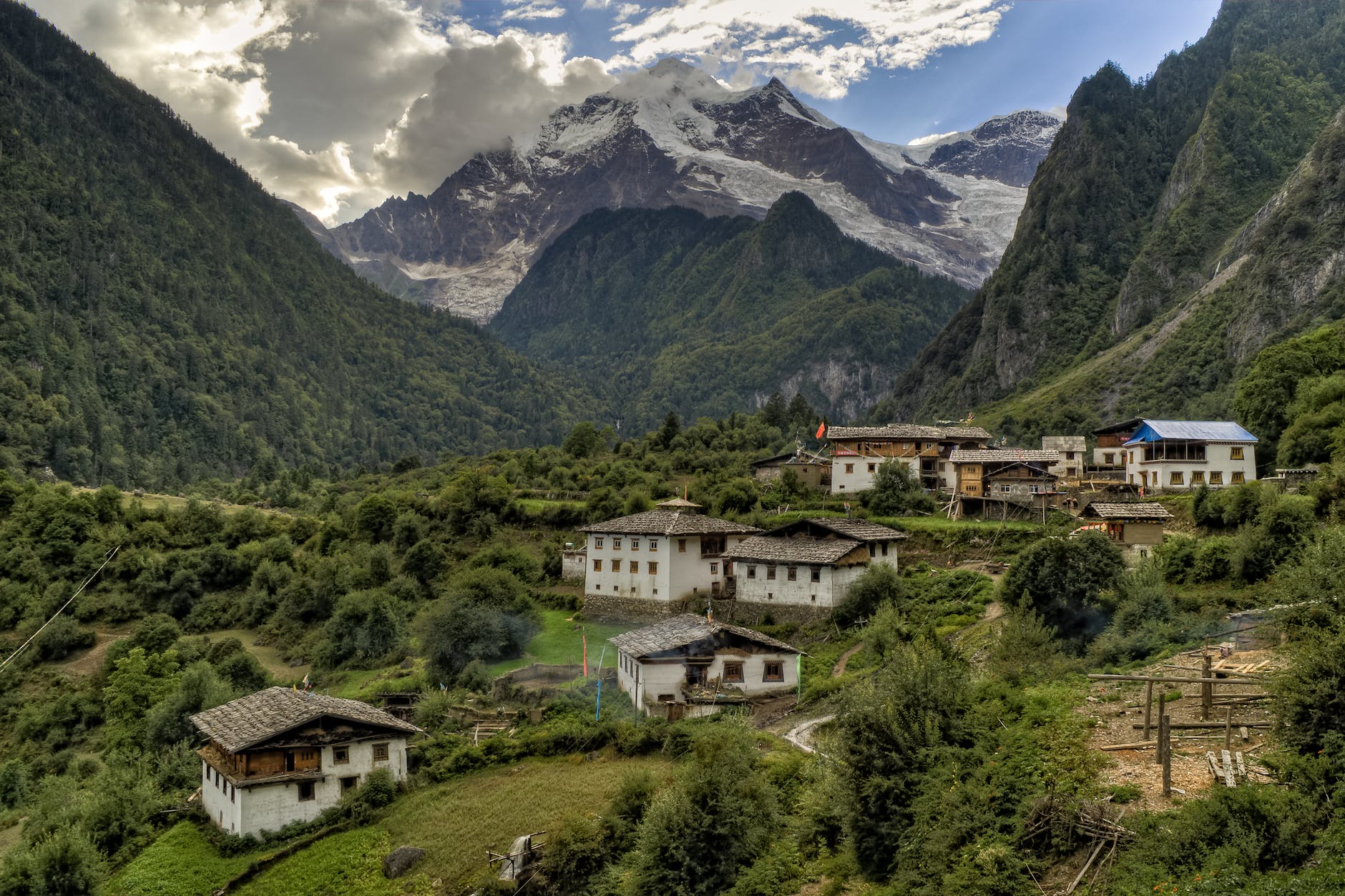
Nepal, nestled in the heart of South Asia, is a captivating land, renowned for its awe-inspiring mountains, including the legendary Everest and Makalu. From its bustling urban centers to its verdant forests and open savannahs, Nepal boasts a cultural tapestry as rich and diverse as any in Asia. Rooted in the profound traditions of Buddhism and Hinduism, Nepali heritage embodies a fusion of ancient principles with the influences of other Tibetan cultures. Among its array of vibrant cities, the capital, Kathmandu, stands as a beacon of cultural splendor, adorned with a plethora of intricately designed temples, stupas, statues, and monasteries. In this non-chronological report, we embark on a captivating journey to unravel the myriad facets of Nepal, delving into its history, society, and natural wonders. Join us as we immerse ourselves in the essence of this enchanting land, uncovering the allure of its traditions, landscapes, and people.
Nepal boasts a diversity of cities, with Kathmandu standing out as the nation’s captivating capital. This buzzing metropolis, nestled high in the mountains, is renowned for its array of monuments, including temples, stupas, churches, statues, and monasteries. Among these architectural wonders, the Pashupatinath and Changu Narayan temples showcase Nepal’s intricate craftsmanship, adorned with elaborate ornaments. Meanwhile, in Central Nepal, Pokhara awaits as a lakeside city and serves as the gateway to the Himalayas. Just beyond its borders lies the famed Annapurna Circuit, a popular Himalayan trekking trail. Furthermore, the city features the striking 2-story pagodas of Tal Bahari on an island in the center of the lake and the International Museum in the south, which delves into the history of mountaineering and the diverse Himalayan peoples.
Nepal is a country of awe-inspiring natural marvels, showcasing a remarkable blend of diverse terrains and an abundance of unique wildlife. From the pulchritudinous peaks of the Himalayas to the expansive glaciers, Nepal’s breathtaking landscapes vividly illustrate the sheer power and beauty of the natural world. Home to 8 of the world’s highest mountains, including the iconic Mount Everest, these towering alpine giants stand as a testament to the incredible forces of nature. Amidst these rugged heights, seldom-seen snow leopards roam, while sturdy yaks, revered by Tibetan tribes, graze in the serene Himalayan surroundings. Venturing further, the lush jungles come alive with the presence of majestic creatures like the greater one-horned rhinos, Asian elephants, and the regal Bengal tigers. Each step through Nepal’s natrual environments unveils a new chapter of natural wonder, leaving a lasting impression of the sheer splendour and grandeur of this remarkable land.






 Bella's World