Imagine if removing plastic bottles from the ocean was easy, imagine if planting ten trees in 10 minutes was so simple. That’s how eco friendly search engines work. I’m here to give you a taste of eco friendliness!
Ecosia – For every search they plant a tree
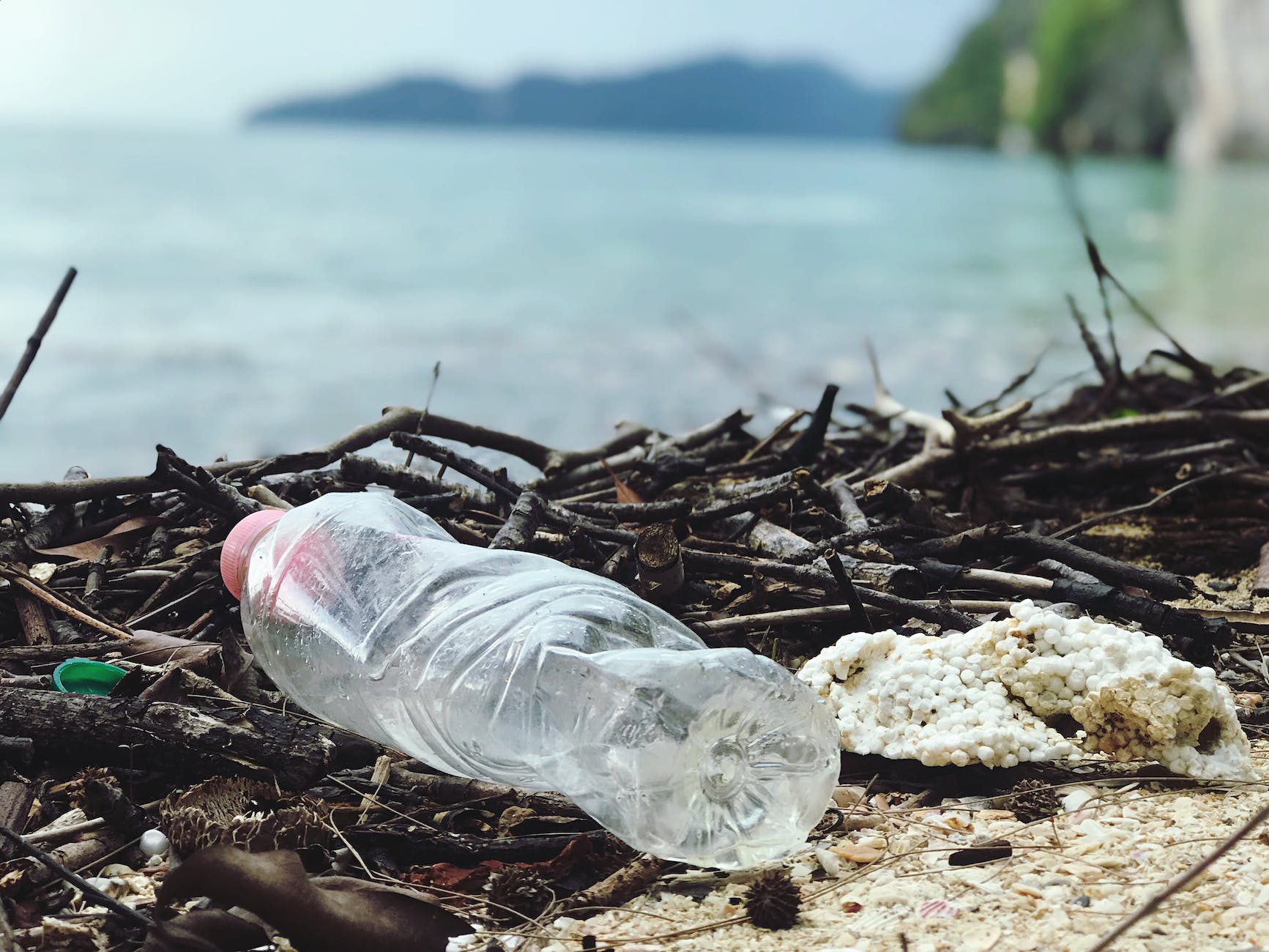
Oceanhero – Remove one plastic bottle from the ocean with each search
Lilo – After one month of profit, they give 50% of proceeds to animal charities
Rapusia – Rapusia fund projects for the environment
Wombats are vegetarian animals that live only in Australia and Tasmania. They are marsupials, which means that they carry their babies in a pouch after they are born. Wombats are excellent diggers and create tunnels and burrows to live in. Their population ranges from 100,000 to 300,000, they can weigh from 44-77 lbs (19.9581-34.9266 kg) and are found in forests, woodlands and grasslands. Their digestive systems are so slow it can take them up to two weeks to digest their food. Although wombats look like easy targets, they have tough backsides that they can use to block predators from eating them. Some wombats can go weeks, or even months, without ever drinking any water. Young wombats live in their mother’s pouches for about six months. Three species of wombats live in Australia and Tasmania. They are the common wombat, the Northern hairy-nosed wombat, and the Southern hairy-nosed wombat. Believed to have originated around 25 million years ago, fossil evidence suggests that early wombats were similar in size to modern-day Tasmanian devils, and over time they evolved into the larger, slower-moving wombats we see today. Throughout history, wombats have been hunted for their fur and meat, and as a result, some species have become endangered. These animals have short, powerful legs that have big, heavy claws on them that wombats can use for digging. They are marsupials, so the females have pouches in which they raise their babies, but their pouches face backward, towards their tails, so the babies don’t get pelted with dirt as their mothers dig tunnels and holes.
Wombats are vegetarians and eat most of the different plants that grow in their territories. This includes spear grass, snow tussocks, herbs, grassroots, trees, shrubs, fungi such as mushrooms, bark, bushes, moss, march plants, and leaves. They prefer tender young plants but they’ll eat almost anything when they find it, including vegetables grown by humans. If there’s a drought, wombats will dig down amongst the grasses to reach the grassroots to eat. Wombats are hunted by several different predators, including dingoes, foxes, and Tasmanian devils. Young wombats are also preyed upon by eagles and owls. In many areas, dogs kill wombats. Humans are one of the greatest threats to wombats, since many people see wombats as pests, and will hunt, trap, and poison them to get rid of them. While the wombats are protected throughout most of their territory now, areas remain where they are constantly killed by people.
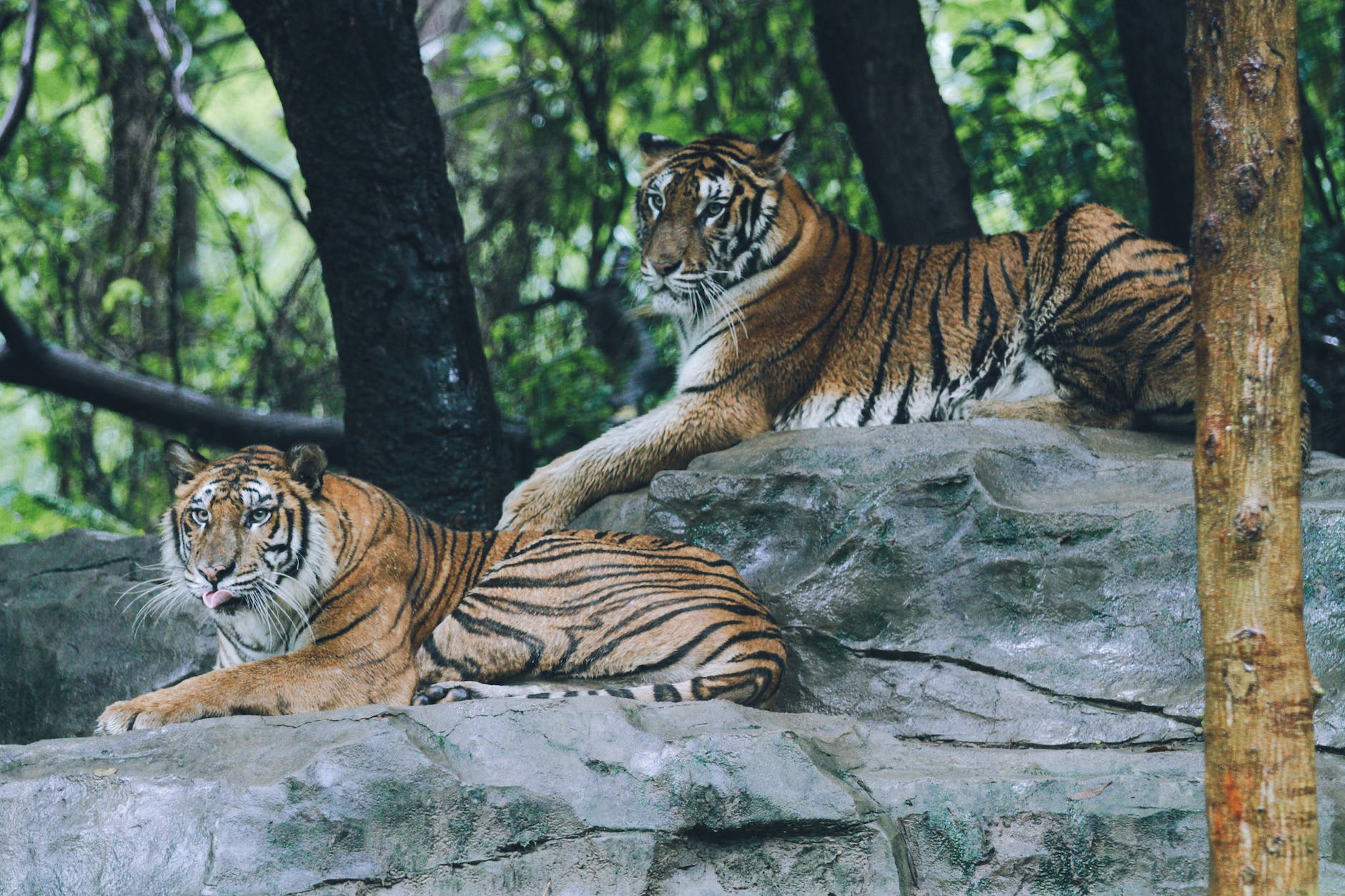
Sumatran tigers are the rarest species of tiger, classified as Critically Endangered, with only 500-600 individuals left in the wild.
Facts:
Sumatran tigers are the smallest of the subspecies. They have webbed paws, which means that they’re brilliant swimmers and they often take to the water to cool off.
In the wild, a tiger can live 15-20 years, captive breeding programme data suggests this could be even more for tigers in zoos.
Their range size is estimated at 52 km2 for a male and a much smaller 27 km2 for the female of the subspecies.
They live in Tropical broadleaf evergreen forests, freshwater swamp forests and peat swamps.
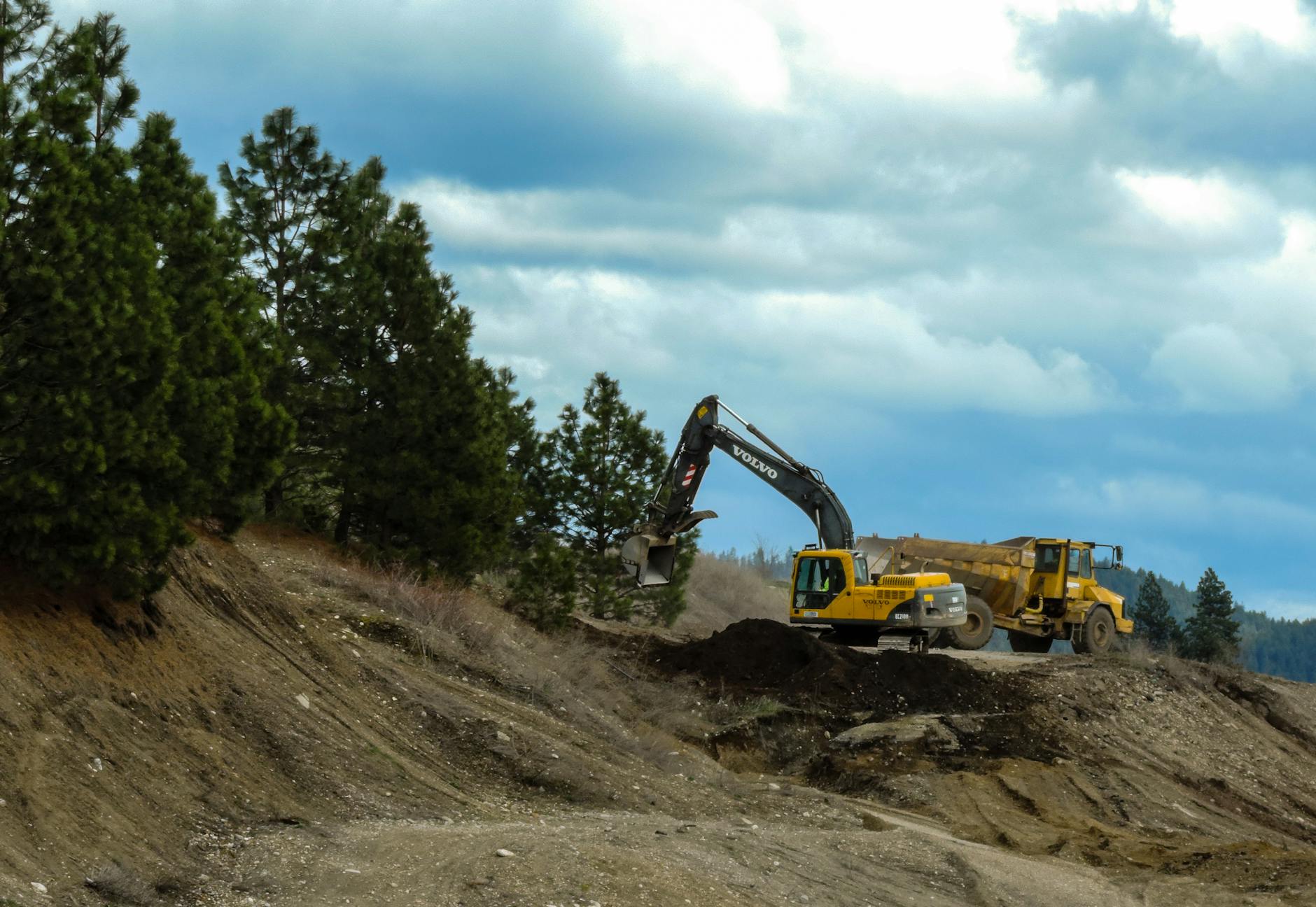
Deforestation is when trees of all sort get chopped down by, what trees call, the axe of doom. All the animals that live on the trees have no home because of this cruel chopping of trees just to make furniture. Sloths, Koalas, Monkeys and lots and lots of birds all have to find new homes that may even be chopped down in a few days. SAVE THE TREES!!!!!!
If you litter pick, the animals that get stuck in plastic will thank you a lot. They get stuck in all of the plastic bags that people throw around instead of using a bin that is a few meters away from them! Some people are so lazy that they don’t even think about the later consequences that will happen to poor mother nature. If you litter pick, the world would be changed for good in a good way. So get your pickers out now!
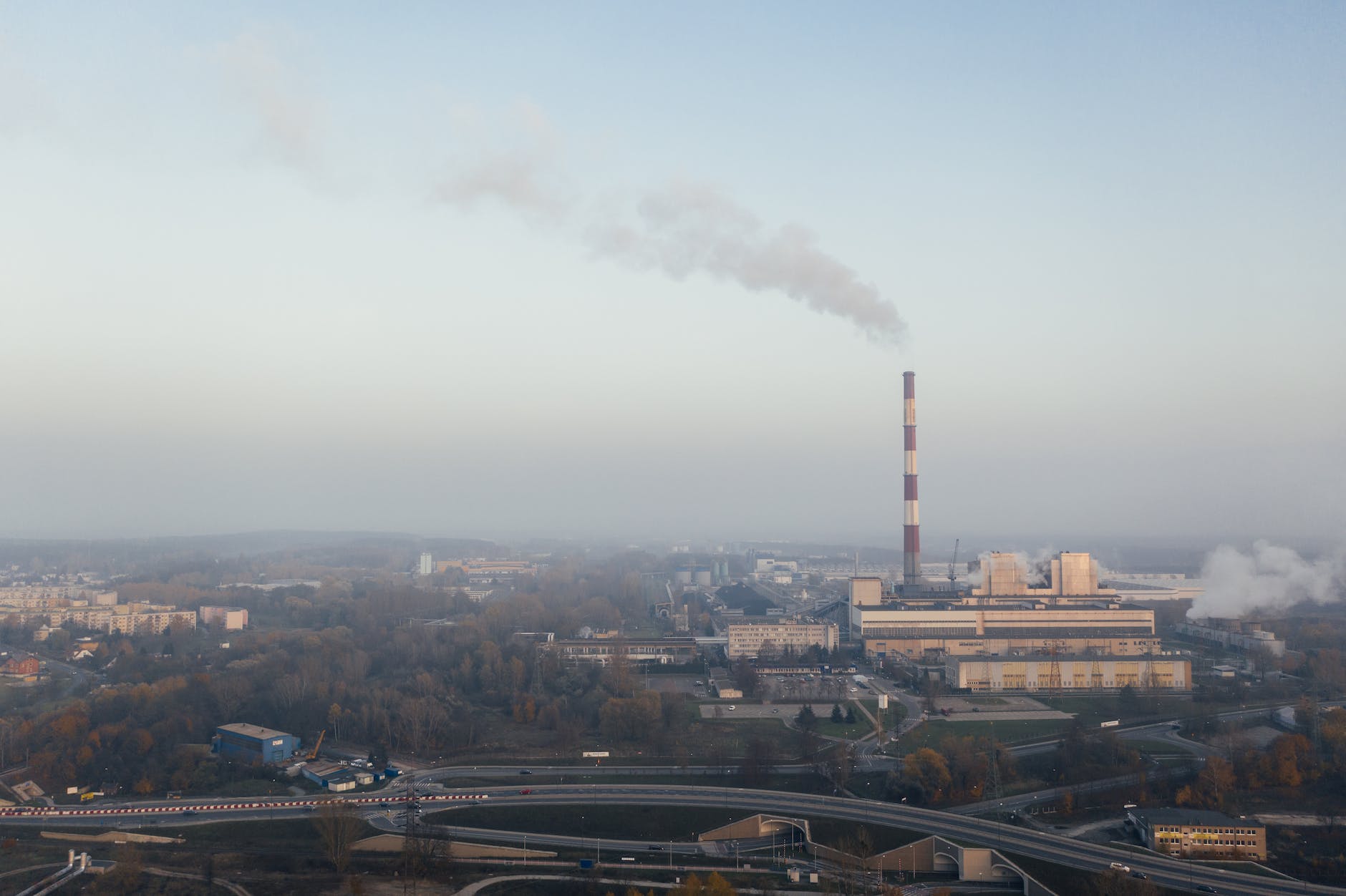
Fossil fuels can effect the world in a terrible way that can effect our lives. Yes, our lives. Fossil fuels create disturbance in the clouds and it causes acid rain! Acid, no rain water. This causes all of the plants to die, and if this carries on, there will be no fruits to eat if there are no plants or herbs. The acid is so toxic, you can not breath in it. We need to stop this now by raising awareness.
Native to both Korea and China, water deer have fascinated humans for centuries. Water deer are furry, four-legged animals that look a lot like regular deer from a distance. But if you look closer they will look different. They don’t have antlers. Neither males or females have them. Their Latin name translates to “without armour”. Their bodies are thicker and stockier than normal deer. Water deer can look quite thick when compared to their cousins. This has more to do with their body structure than their body weight. They have powerful hind legs that are longer than their front legs, so their haunches are raised at a higher angle than their shoulders. Water deer have front teeth that stick out from their jaw. These are commonly referred to as “fangs” or “tusks,” but they’re actually just extra-long canines. People don’t know why they have extra long canines
There are two sub-species of water deer. The first lives in China. The second lives in Korea. There’s very little difference between the breeds. The Korean water deer might be a little more reddish-brown than true brown, and some evidence suggests that they might be a bit smaller. While they are not aggressive to humans, water deer can get quite violent towards other members of their species. Males are highly territorial, and have a number of ways of marking their territory. They’ll also dig trenches and rub their heads all over trees, branches, and logs to spread their scent around. Some will even bite off reeds and branches to visually mark their turf. Males will also fight over females when it’s rutting season. While they’re native to Asia, water deer have also come to France, Argentina, England and parts of the United States. They were first imported to Great Britain in the 1870s. Water deer are herbivores, they don’t need their canines for ripping through prey. They prefer to run away from predators rather than facing them head-on, so the canines aren’t a defensive weapon. They’re really only used for battles between males. For males, tusks can reach as long as 7 – 8 centimetres but they’re usually 5 – 6 centimetres. Females have much smaller tusks. They measure 0.5 – 1 centimetres.




 Bella's World