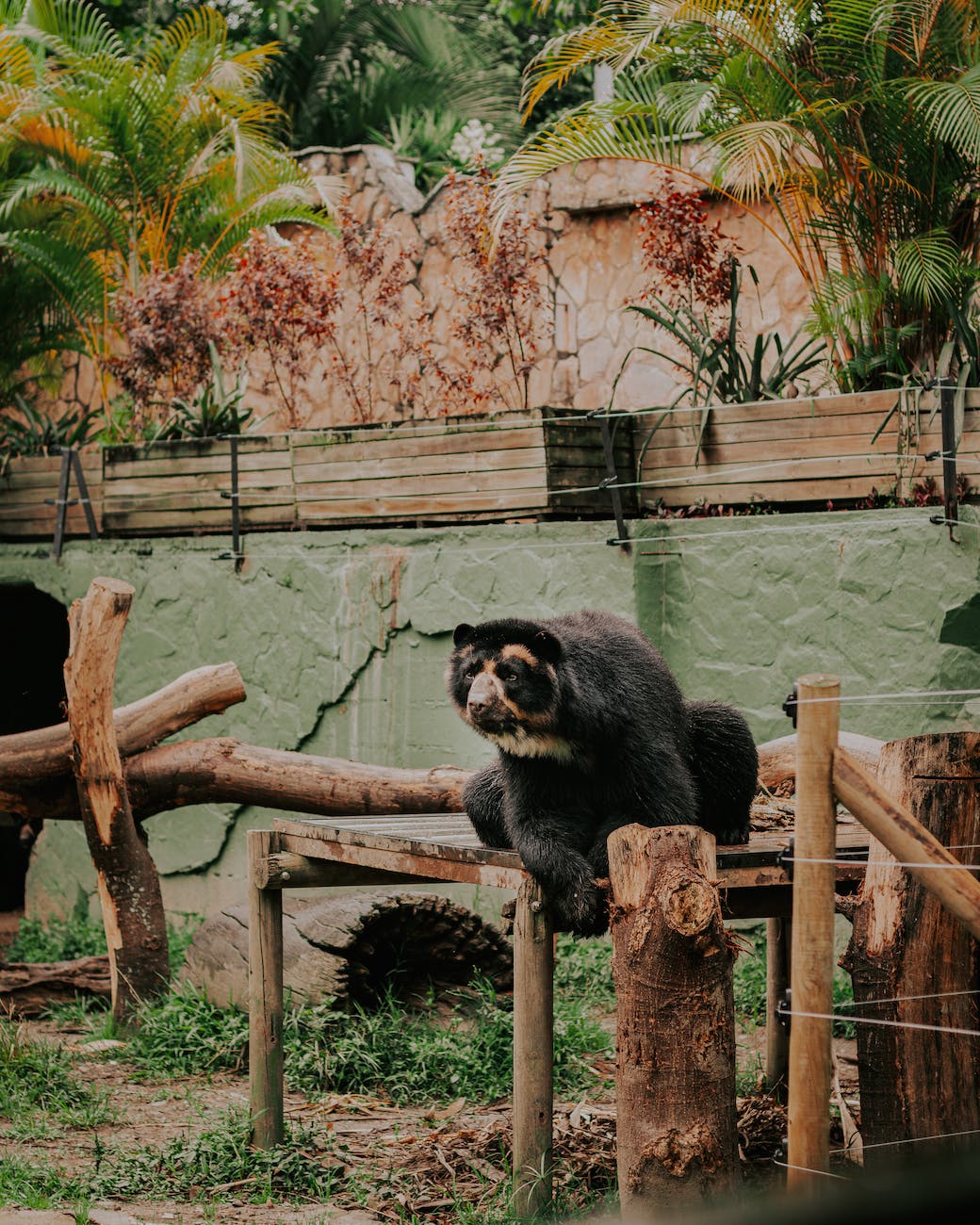
Fun and quick facts:
Scientific name: Tremarctos ornatus
ICUN rating: Vulnerable
Family: Mammal, ursidae
-Thank you for reading, Phoenix

Fun and quick facts:
Scientific name: Tremarctos ornatus
ICUN rating: Vulnerable
Family: Mammal, ursidae
-Thank you for reading, Phoenix
The skin colour of aardvarks can be pale yellowish-grey to pinkish, but, because of burrowing in the soil, their skin is usually stained, making it darker grey or reddish-brown. They live in Africa, in places like grasslands and savanna. They may travel 2-5 km each night when foraging for food. Aardvarks use grunts as a form of communication and they may bleat when threatened. Because of their solitary behaviour these animals only meet when mating. Being classified as Least Concern, this species is that not threatened. But, in some parts the animal suffers from human activities like logging and farming systems, which leads to the destruction of its habitat. It is like someone wrecking and building something on top of your house.
Aardvarks use grunts as a form of communication and they may bleat when threatened. Because of their solitary behaviour these animals only meet when mating. Being classified as Least Concern, this species is that not threatened. But, in some parts the animal suffers from human activities like logging and farming systems, which leads to the destruction of its habitat. Aardvarks are hunted for their meat, skin, claws and teeth. The teeth serve as materials for bracelets and charms. This decreases the population of aardvarks and there are may illegal poaching companys that kill aardvarks. They play an important part in their local ecosystem since their burrows can be shelters for hyenas, warthogs, squirrels, hedgehogs, mongooses, bats, birds, reptiles, and many other animals. Aardvarks have sticky and long tongues of up to 30 cm, which is used to collect termites. When looking for food, this animal may eat up to 50,000 termites a night. Aardvarks are an brilliant diggers. A single aardvark will dig faster than many people with shovels, even on solid ground. Aardvarks have an amazing sense of hearing. The long ears of the animal are able to move on their own, folding back and closing as the aardvark digs the ground.
Sloths are animals that live in the treetops of Central and South American rainforests. They forage for food like leaves, buds, and twigs. Sloths are mammals that sleep 15 – 20 hours and only move as far as about 40 yards each day. But they have brilliant swimming skills, because of their long arms.

There are six species of sloths, one being critically endangered and another vulnerable. There are two-toed sloths and three-toed sloths today, all about the size of a dog! Ancient giant sloths, called Megatherium, were the size of modern elephants! It’s population is estimated to be 1,500 and they can weigh from 9-17 lbs (4.08233-7.71107 kg). Distant cousins of the sloth include anteaters and armadillos. The two types of sloths that people know mostly escaped extinction when they began to live in the trees when they first came. These two sloth species, the two-toed and three-toed sloths, evolved into tree dwellers fully independent of each other. The two types of sloths evolved into six species, four with three toes and two with two toes.
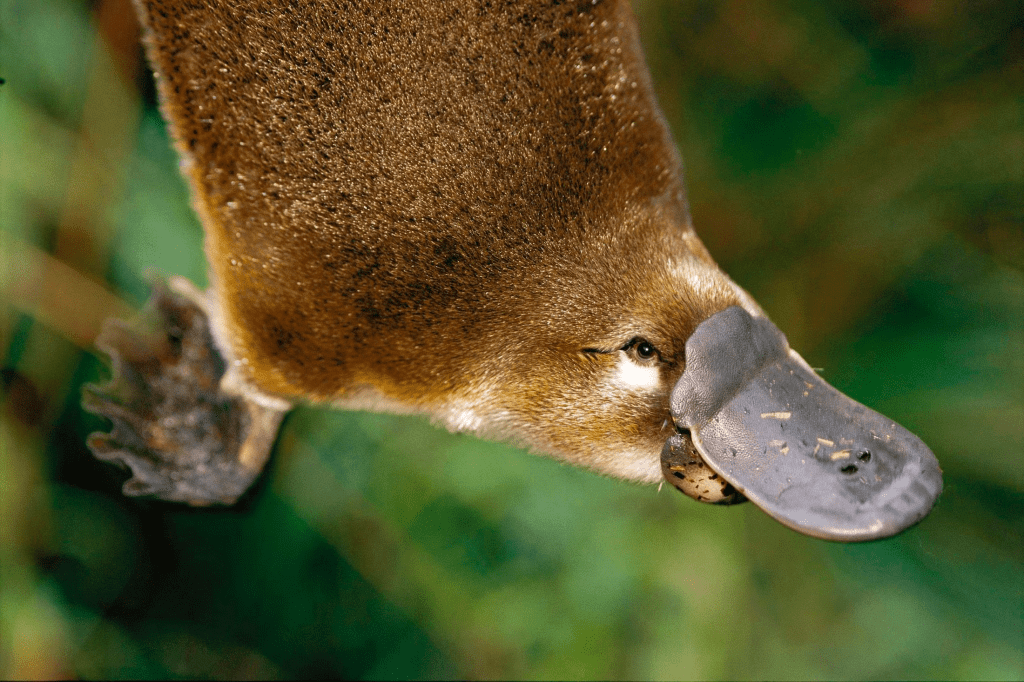
Platypuses are the only mammals that lay eggs! They are mammals because they give milk to their babies. For some reason they live partly in water and partly in land like an amphibian! Are platypuses amphibians or mammals! Yes, mammals, because they give milk after the eggs hatch. Did you know if you touch a platypus, it releases a deadly venom that is very very painful? It is very tempting to touch the soft fur of them, but no, it is the opposite of relaxing. They release venom glands (spurs) on their hind legs that hurt your skin very very much!
Facts:
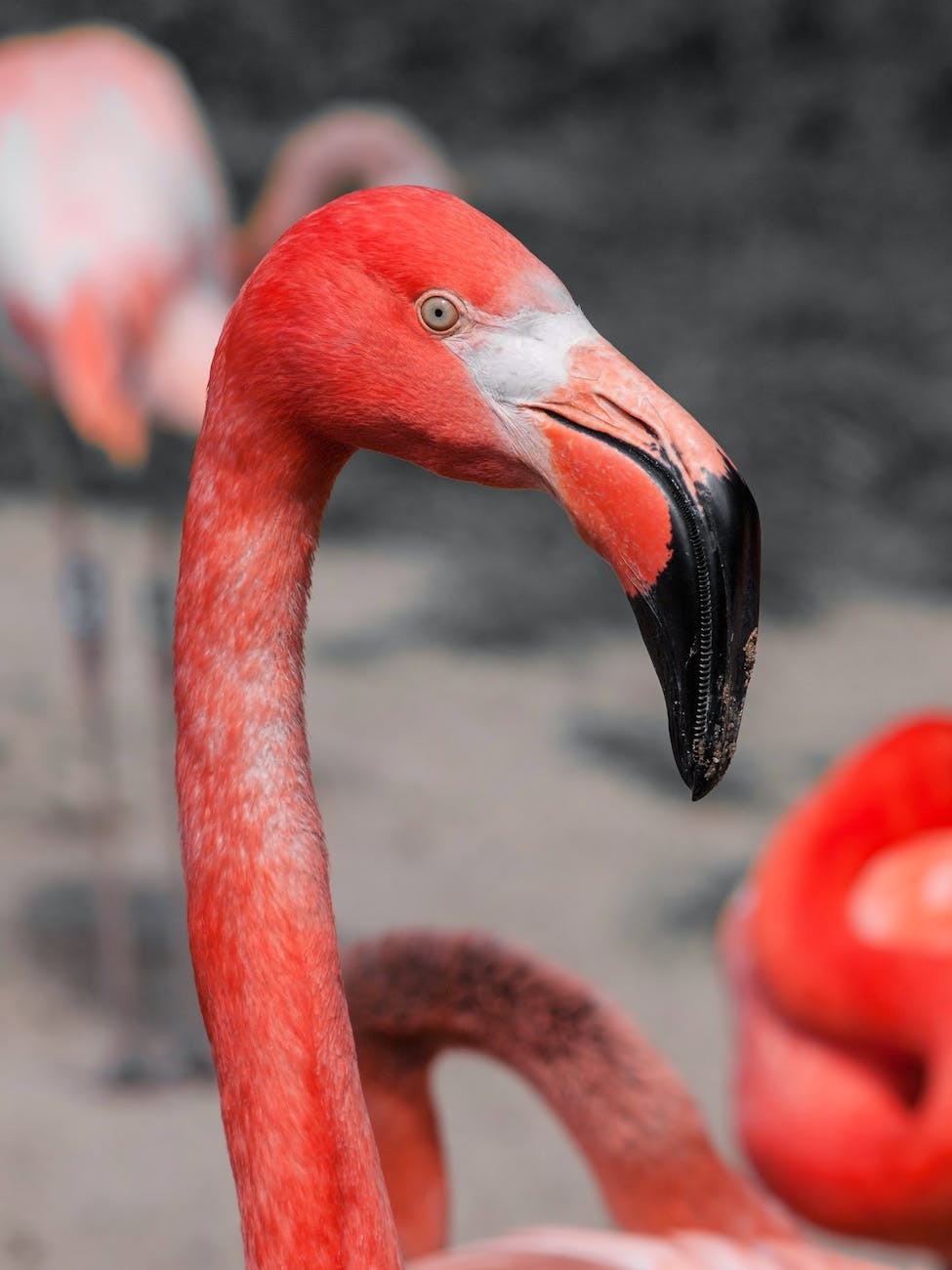
Flamingos, a hot pink bird that mainly live in the cooling waters of South Africa, aren’t born with their outstanding colours. The are born as fluffy white chicks just a few inches tall, but to gain their colour, they need to eat as much as it can. Flamingos only eat pink fish and krill, so their feathers pigment themselves. However, it is not only the children who are white; some mothers have drained their colours due to that they have put so much strength into producing an egg. They will have to eat as much as they can to regain their colour, and it will take long.


Last time we mainly talked about land animals but today let’s discuss the beauties of the seas. Firstly, we have dolphins which are poached for a variety of food such as Sashimi (a type of Japanese food). Sharks are also poached for their meat which many people make soup out of. They are also poached for their fins this is called shark finning. Shark fins are also used in shark soup, but they are highly expensive which lead’s people to hunt them. Sadly, whales are poached too, instead for their cartilage, oil and blubber (fat that keeps them warm in the winter) as all of them are used for health supplements. They are also poached for their meat. Thank you for reading.
– Phoenix
If you have a tortoise at home like me, don’t expect them to grow like Galapagos tortoises, expect them to reach a certain age and not grow at all! Galapagos tortoises are known to be called giant tortoises, and are the size of 5 feet and 500 pounds! Normal tortoises are known to live for 80 years or some even 100, but these Galapagos tortoises can live up to 175 years which is the world record for any land vertebrates.
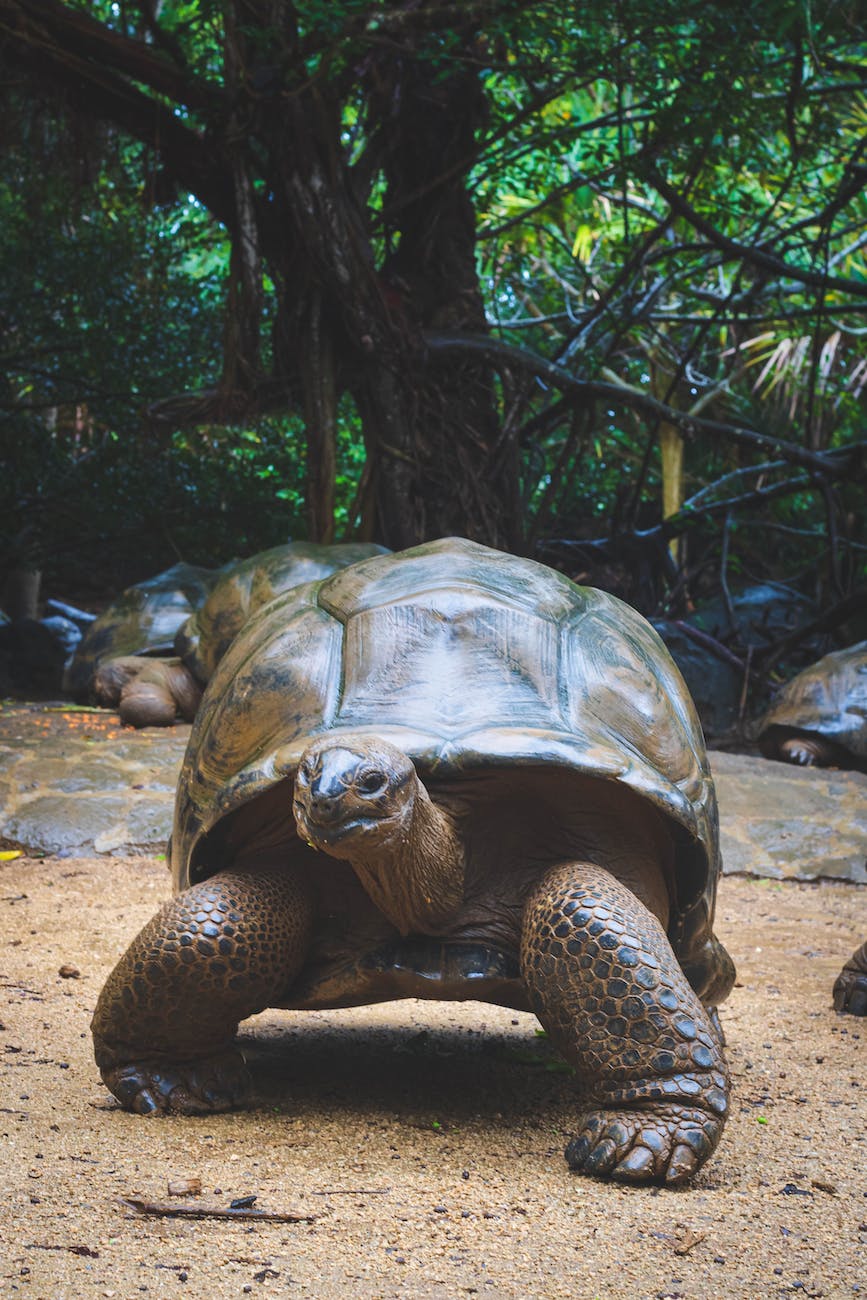
Did you know the Spanish word for tortoise is Galapagos, so in translate, it would be Tortoise tortoise! There are only 13 types of Galapagos tortoise- or Tortoise tortoise- so we have to protect them now!
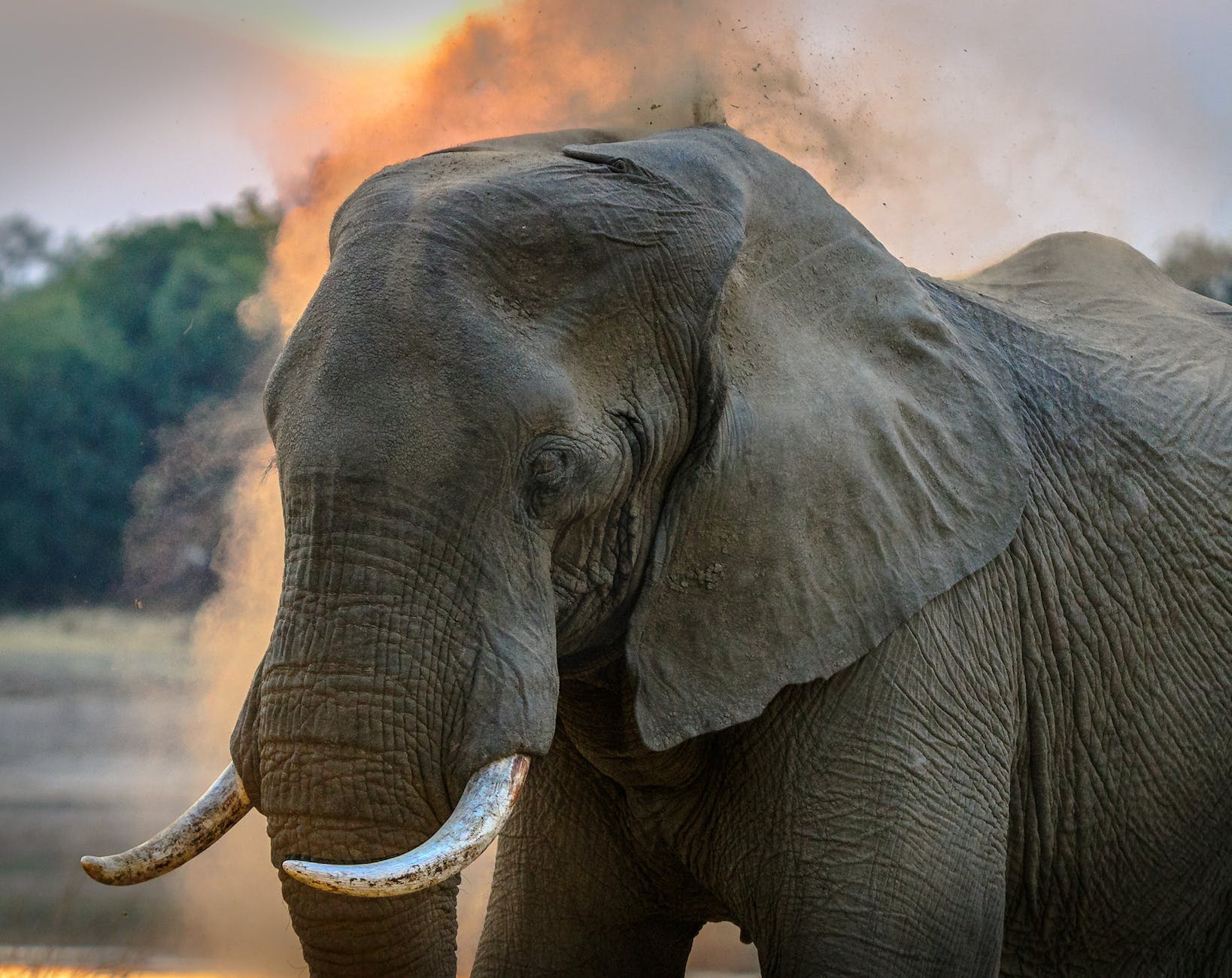
Poaching is were people hunt species (almost down )to extinction. Many species are effected by this “sport”. Pangolins are one of the many species affected by poaching, they are hunted for their unique scales which can be used for medicine. Rhinos are also affected by poaching as their horns are seen as seen as a sign of wealth and status. Tigers are commonly poached for there unique fur which is used in coats. Turtles are poached for their pretty shells and human consumption and finally the elephant is also poached for their tusks. It happens in lots of countries around the world and is driving many species to the brink of extinction.
We need to stop this and here’s how..
I am really passionate about stopping poaching and so are many people across the world, so let’s STOP POACHING TOGETHER!
– Phoenix
Out -door challenges bring your family together like…
Going on walks
I recommend to go to these places…
Habitat: Indian & Pacific Oceans
Location: Between Eastern Africa & Hawaii
Lifespan: 3 – 6 years (with some up to 20 years!)
Size: 10 – 20 cms (4 – 8 Inches)
Weight: 12 – 90 grams
Color: Vibrant multi-coloured – Green, blue, red, orange
Diet: Fish, crabs, worms & shrimp
Predators: Humans, yellowfin tuna, larger fish
Top Speed: 30 body lengths per second
No. of Species:
Approx. 450
Conservation Status: Not endangered
1. All mantis shrimp species can be divided into ‘spearers’ or ‘smashers’, based on the types of claws they have and tactics they use to kill the prey.
2. Smashers can punch at same velocity as a gunshot from a .22 caliber rifle.
3. Humans can process three channels of colour (red, green and blue), while mantis shrimps perceive the world through 12 channels of colour, and can detect UV (ultra violet) and polarised light, aspects of light humans can’t access with the naked eye.
4. The are older than dinosaurs
5.There are around 450 species of mantis shrimp worldwide, and their colours range from shades of brown to bright, green, red and blue.
6. Mantis shrimp pack the strongest punch of any creature in the animal kingdom.
7. The Peacock Mantis Shrimp is the most common species of mantis

 Bella's World