Pangolins

Pangolins are covered with scales which is rare in mammals. They have long, powerful claws and are known to curl into a ball.

The Sunda pangolin has scales that are mostly dark brown in colour, though they are frequently found with ‘white’ scales on their tails and the reason for this is unknown. Pangolins have been described as ‘walking pinecones’, and ‘modern-day dinosaurs’. If you see them in the wild you might think they are related to other ant-eating species but scientists now know one of their closest relatives is actually the mongoose! The word pangolin comes from the Malay word “pengguiling”, which is roughly translated as ‘something that rolls up’. Pangolins live in Asia and Africa. Normally very shy animals, Indian pangolins have been known to wander into villages and use their impressive claws to dig through concrete and into houses. The Cape pangolin is known to live in burrows already dug by aardvarks and aardwolves. Pangolins are now the world’s most illegally traded wild mammal with more than one million having been poached over the past decade. That’s more than rhinos, elephants and tigers combined.

Facts about Dolphins

  • Dolphins are sea mammals.
  • Even though not fish, they can swim like one!
  • Dolphins can reach up to 30mph which is a common speed for a car.
  • When dolphins are catching fish to eat, they use there super swimming skills to round up the fish and swallow them whole!
  • The reason why dolphins swallow fish head first it that if they eat the fish spine first, the spine will go in harder and it might hurt the dolphins.
  • When foraging on their own, dolphins use their clicking noises to sense where the fish is and where to look for the fish. When they know where the prey is, they use a sea sponge to protect their noses from sharp rocks and sea urchins.
  • If a dolphin eats something to make them feel sick, they use a signature whistle, which is unique, and the other dolphins recognise the dolphin that is in trouble. When the other dolphins fine the sick dolphin, the form a raft and lift up there sick friend to breath at the surface of the water.

Dolphins are dazzling creatures so we can’t let them go extinct!

Photo by Tom Swinnen on Pexels.com

Axolotl Poem

This was heavily inspired by Corals turtle poem.

Little, smiling face

Waddling without grace

Swimming in the deep lake

Never stopping for a break

It’s gills swirl

It brushes against a pearl

Many gaze down

As the axolotl swims around

Eggs are hatching

So eye catching

It open it’s jaw

In comes a worm the colour of straw

But our adorable friend

Could be about to end

Axolotl

Eco friendly fun!

  1. Grow your own fruit and vegetables. Where I live you can grow cucumbers, tomatoes, courgettes and much more!
  2. Take part in the RSPB bird count. It helps them keep track of different birds populations.
  3. Adopt an animal, the WWF will send you pictures of your adopted animal monthly. This will help the species stay safe.
  4. Support an animal charity, charities below…

Find other charities online

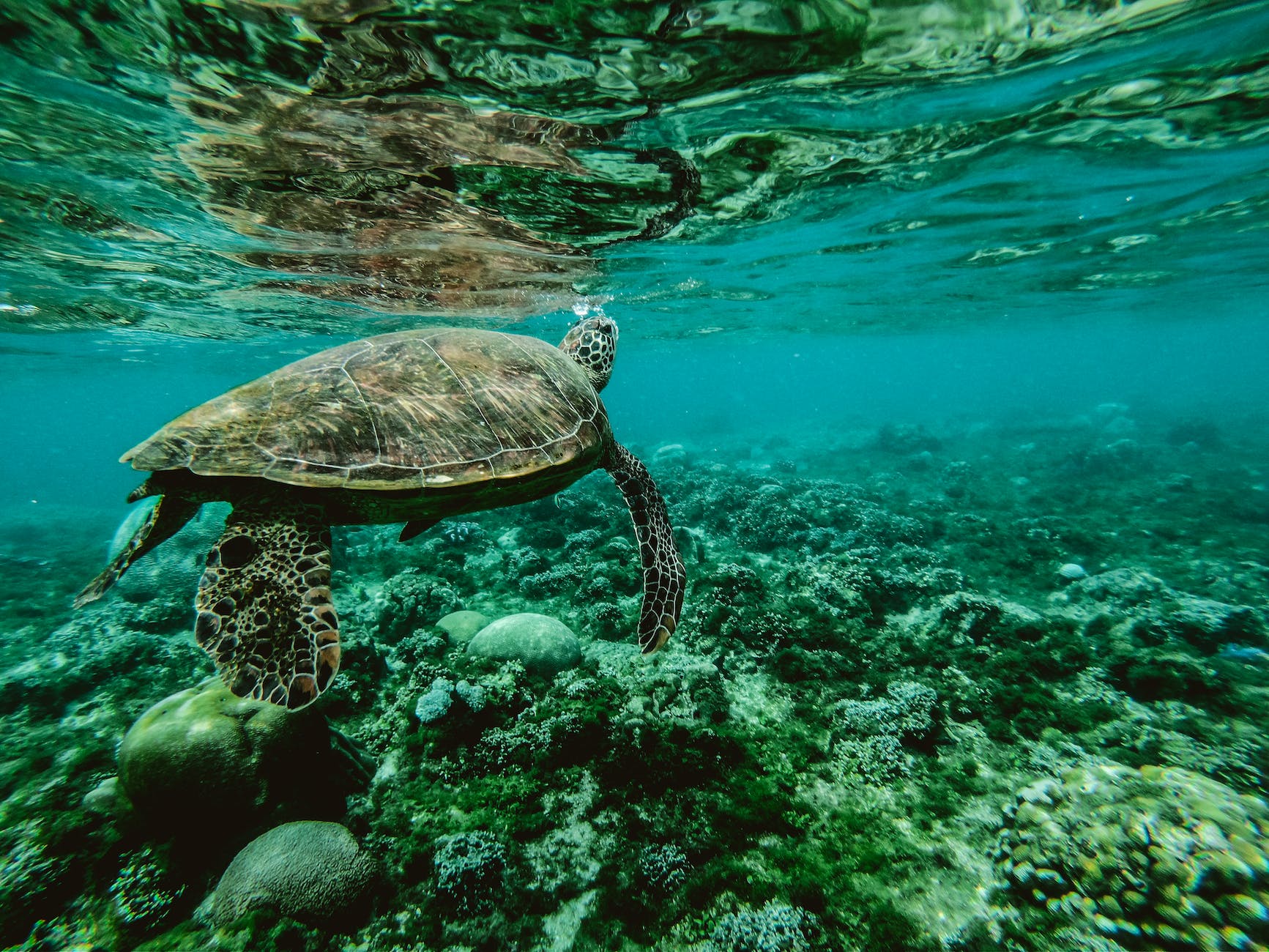
A short poem of Turtles

Photo by Belle Co on Pexels.com

They swim peacefully,

They are a little bundle of joy,

They float gracefully,

They have great time that they enjoy,

One little Turtle, waddles into the sea,

Where she is meant to be,

She starts her adventure,

That will never end,

By Coral

Przewalski’s Horse

Pronounced -pruh – VAL – skee – ‘s

Przewalski’s horse are mammals native Mongolia. They are thought to be the last truly wild horses. There’s approximately 1900 left meaning they’re endangered. Przewalski’s horse doesn’t have many predators but wolves love to hunt them down. In Mongolia they are often called “takhi ” meaning spirit. They tend to be described as short and stocky as they are 4.3ft – 5ft.

Thanks for reading

– Phoenix

4 Quick Red Panda Facts

Photo by Ivan Cujic on Pexels.com
  • Red pandas are mammals native to Nepal, Bhutan, India, Myanmar and China.
  • They live in mountainous areas and eat bamboo and many varieties of berries.
  • They’re elusive creatures, there is thought to be in between 2500 – 10,000 in the wild.
  • Red pandas are in a family of their own however they’re cousins with raccoons.

    Thanks for reading,

Phoenix

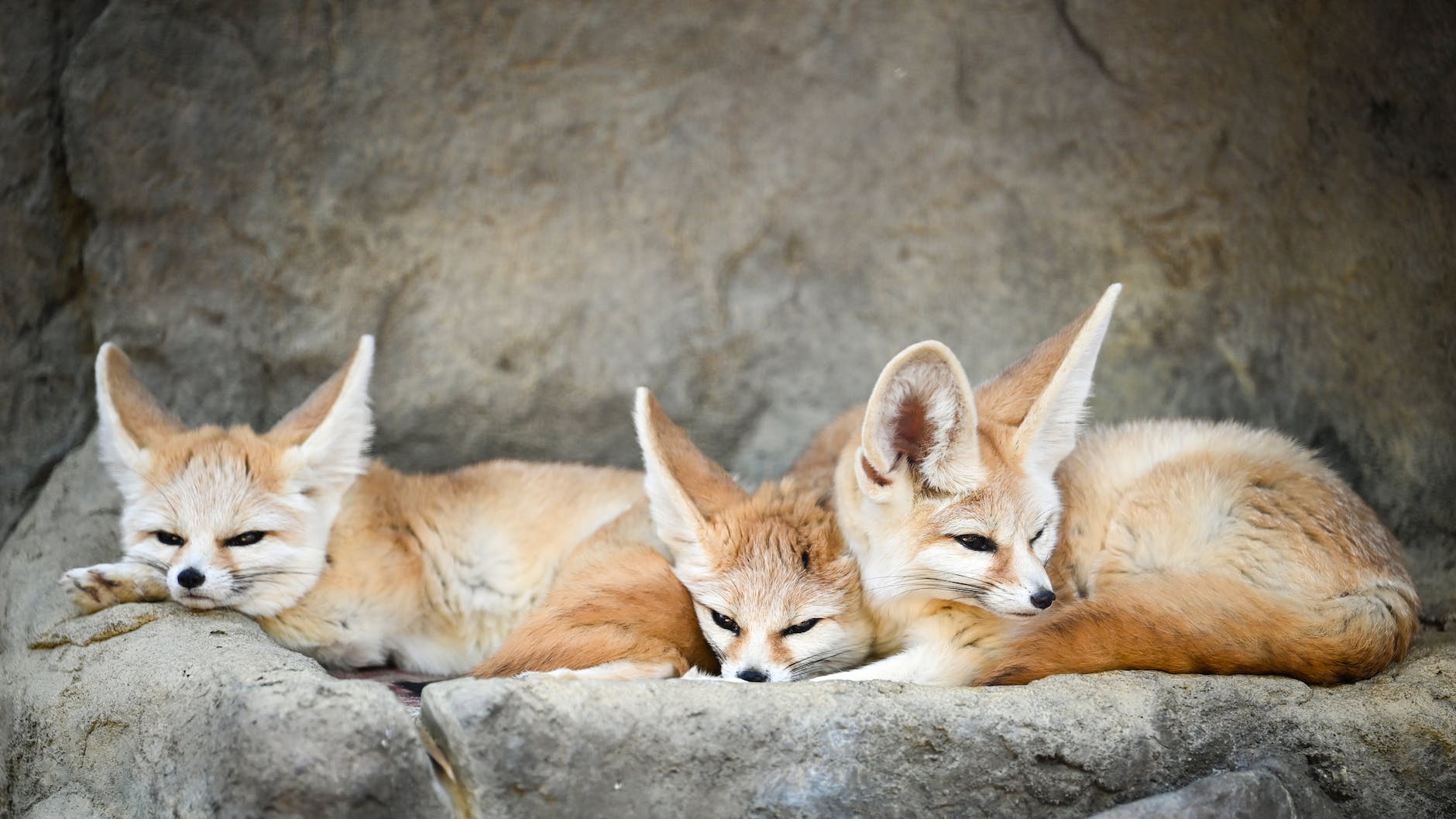
Fennec Foxes

Photo by Zetong Li on Pexels.com

Fennec foxes are foxes native to North African and Arabian deserts. Their most unusual feature is their large ears which are used to listen for prey. They are nocturnal and have night vision. Fennec foxes live in groups of ten, a group is called a skulk or leash. They eat grasshoppers and locusts but can eat small rodents, birds and bird eggs. Fennec foxes have been domesticated for 6 decades ( I don’t think they should be pets). Thank you for reading!