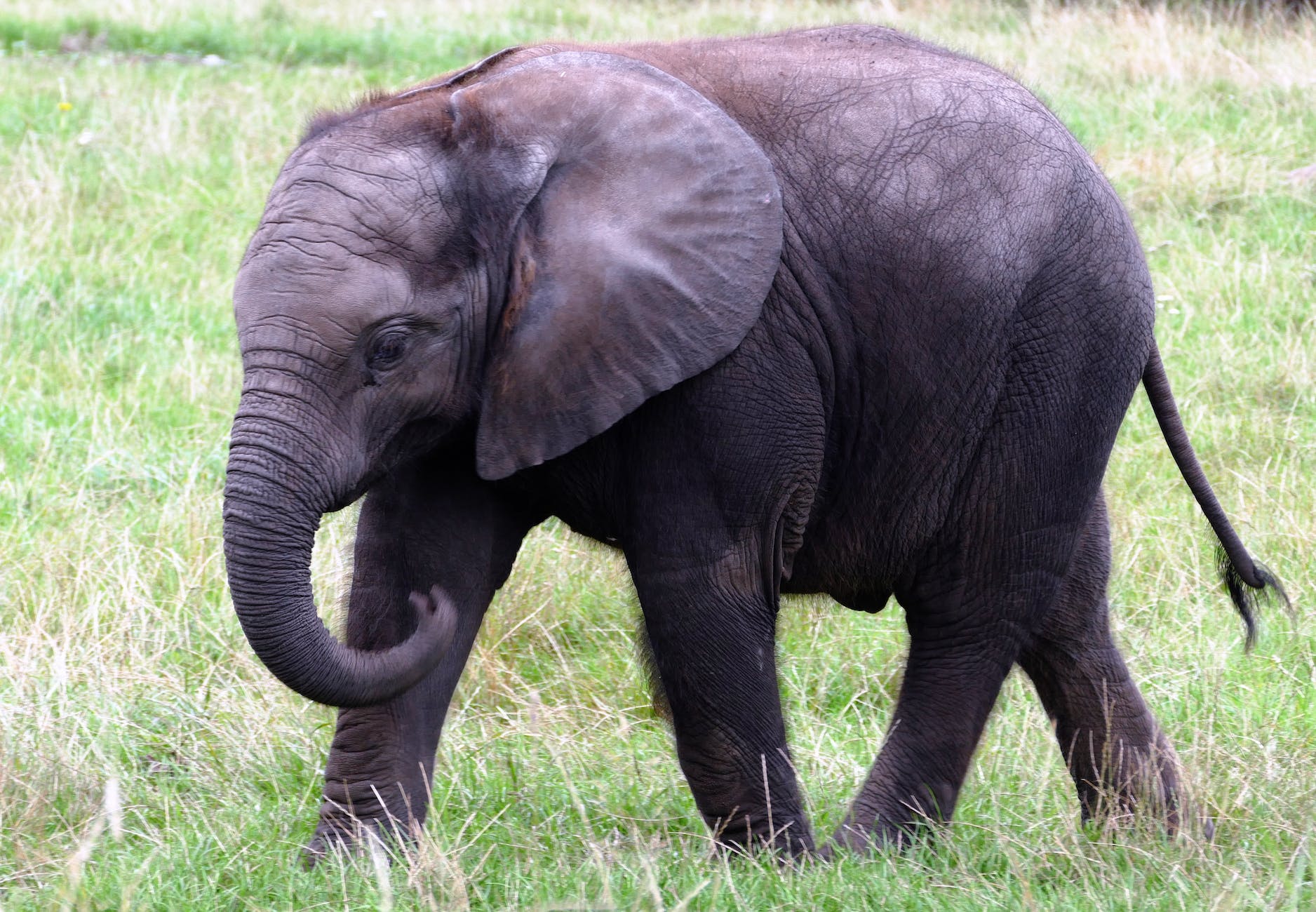
You may think that the largest animal on earth is an Elephant, but it is actually the Mammoth. Even though extinct, Mammoth is counted as the largest animal ever! Elephants are very gentle and kind, but when they are angry, they can destroy more than you can imagine! When an elephant dies, others crowd around the dead elephant and stroke it with their trunks. When a baby elephant (calf) dies, they snuggle the mother Elephant to console her! Elephants are graceful animals so let’s protect them with all our might!
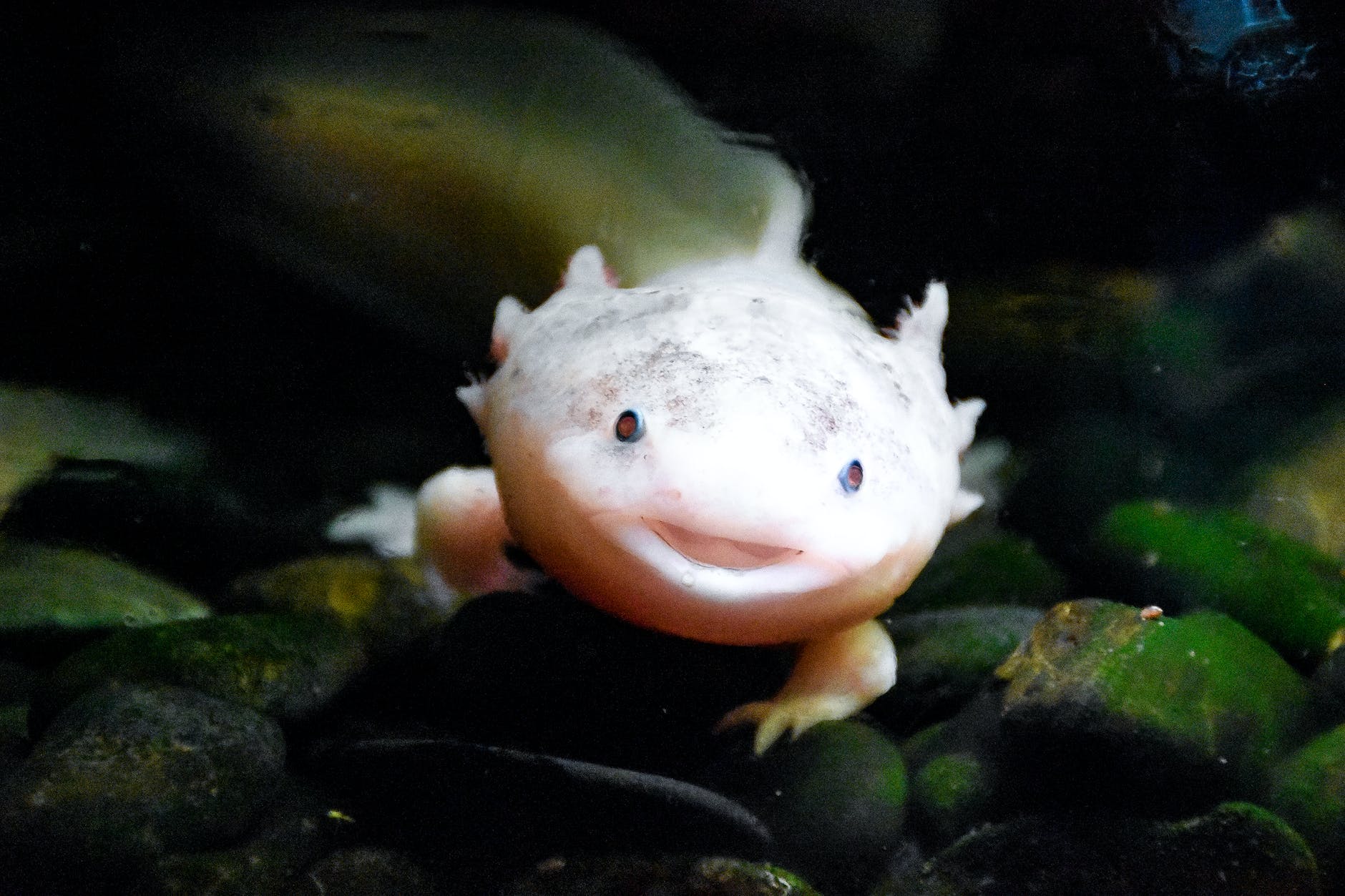
Axolotls are critically endangered amphibians native to Mexico. They have many threats such as tourism, many people litter by their home. Recently many have been pets (do not worry they haven’t been taken from Mexico)! Though their population has slowly been decreasing. In the wild they come in a dusky brown or (very rarely) light pink. Occasionally they get injured, but can grow back any part of their bodies!
The vaquita is a type of dolphin that are nearly extinct. There are only 8 left in the world. Not many people are aware of vaquita’s and what they are, so here it comes! Vaquita’s look very different to common dolphins because vaquitas are not that close dolphins. They are actually a type of porpoise. Porpoises are Dolphins but look different and not many know of them. Did you know vaquitas are called panda of the sea for there unusual colours? Please help save the vaquita by putting up posters and if you need, National Vaquita Day is on the 7th July! Thank you! By Coral
The vaquita is a small species of porpoise that is found in the warm water around the Gulf of California and northern Mexico. It is most known for being the most endangered marine animal as in the wild, its critically endangered with it’s survival down to just 8 individuals. It is due to fishing nets, that the vaquita is in such crisis. Often, while vaquitas are swimming close to fishing boats, they accidentally get trapped in the netting and therefore die. Vaquita are a protected species but even that cannot stop the accidental deaths of them. These beautiful animals are the smallest cetaceans in the world, reaching a weight of 46kg, a length of 5ft and a height of 5 inches. But subsequently they are targeted by large predators such as orcas and sharks. Their diet consists of small fish, crustaceans and squid, which they cease to catch, though they only reach a maximum speed of 7mph. Little is know about the elusive vaquita as they have never been kept in captivity but scientists estimate that vaquitas live for about 21 years. Sadly, many of the current vaquitas are getting towards the end of their lives but if we remove the hazardous fishing nets, we may be able to secure a future for the vaquita.
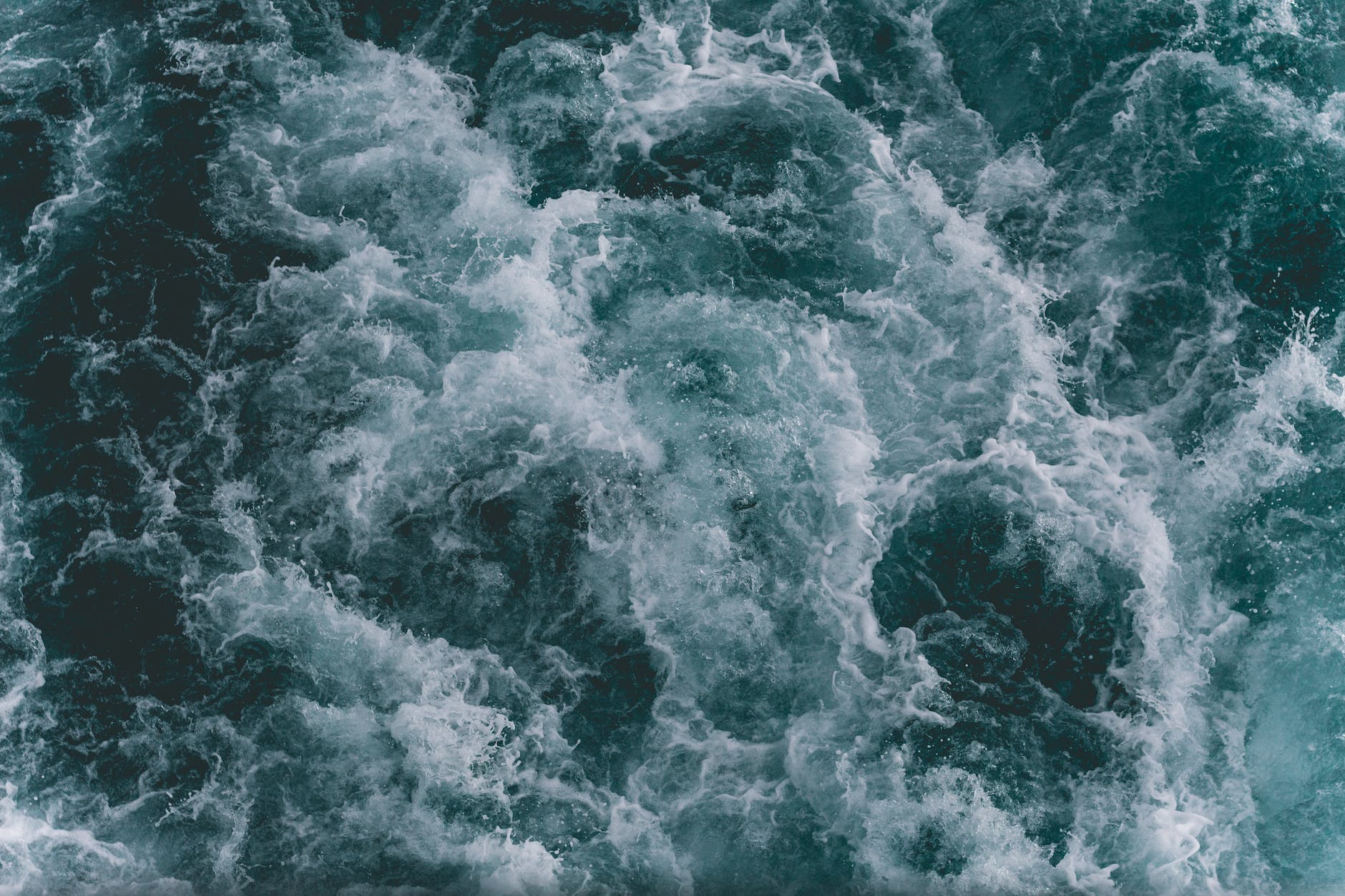
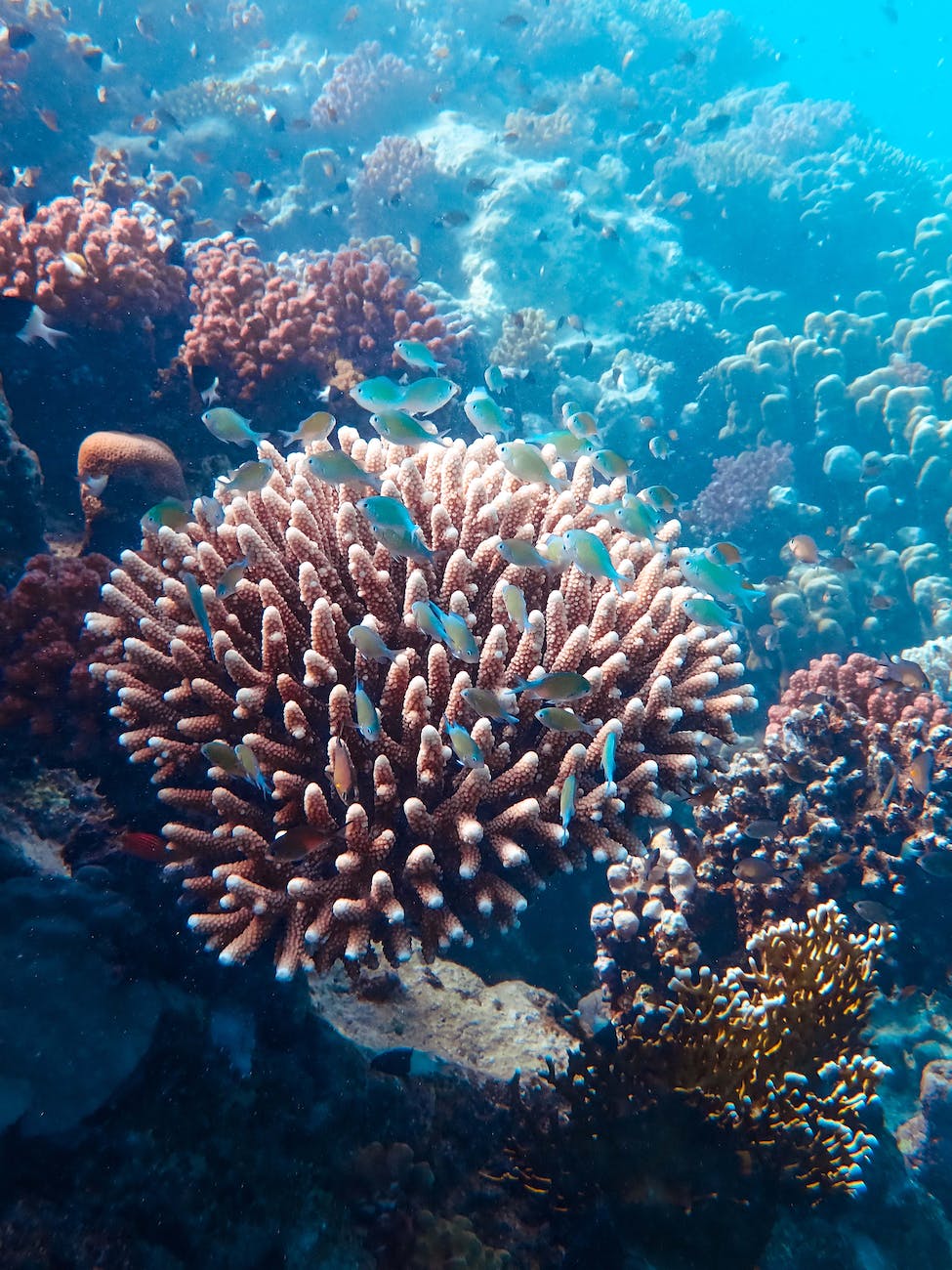
Due to global warming corals have been turning white. The great barrier reef is turning paler and paler because of this incident. As the ever-growing amounts of fuels (which create heat) enters the atmosphere, beautiful reefs are turning from bright, vibrant colours to white, bland stalks. If this carries on, fish will no longer be able to camouflage and sharks will make them extinct in no time by eating them. On top of that, fishermen are catching them in nets that sometimes falls into sea killing Vaquita Dolphins and whales.
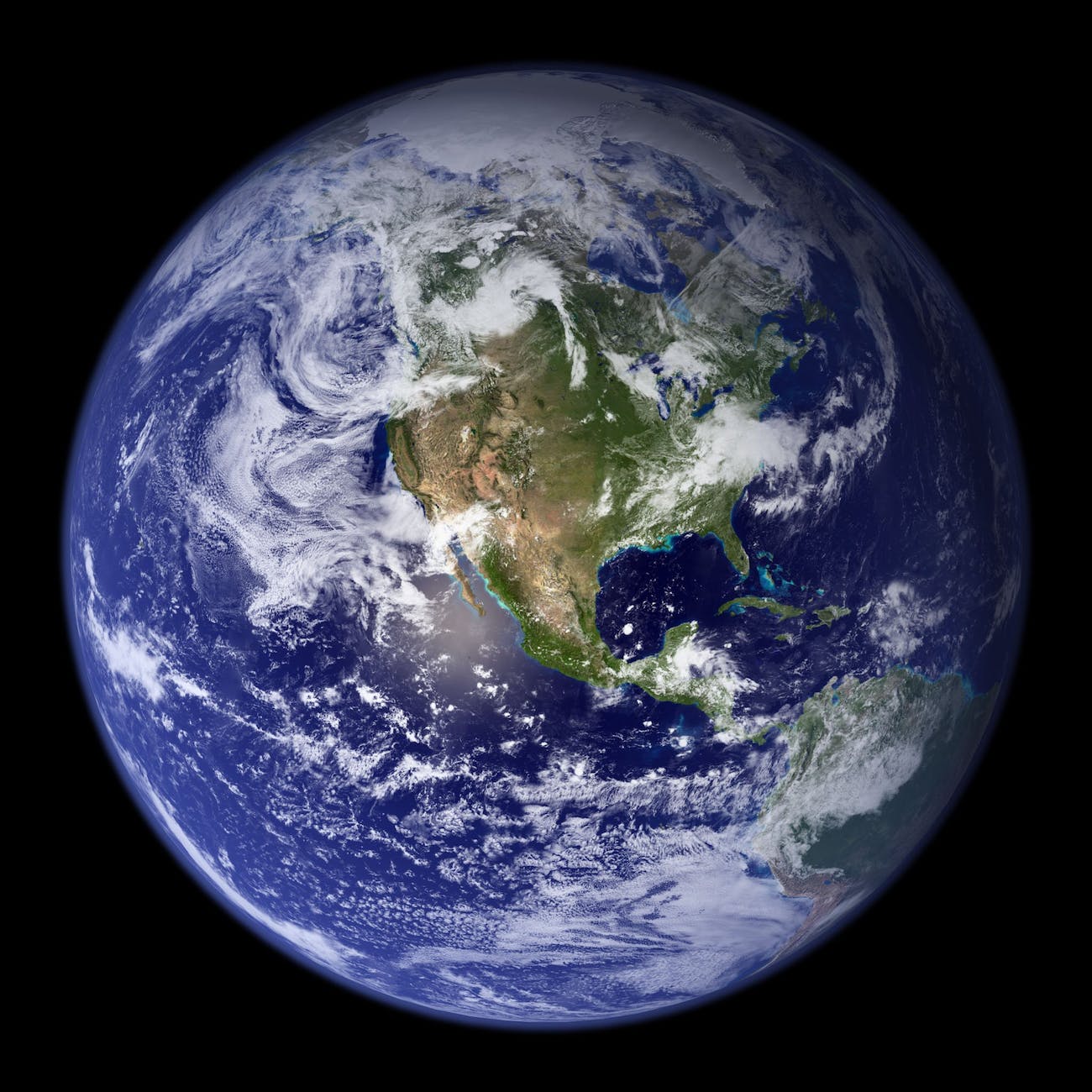
If everyone chips in to help the environment then we can make a big difference even if it’s as simple as turning the lights off when you don’t need them or to making sure that you put the recycling in the recycling bin, there are lots of things you can do, endless really, but here are five key things you could do:
Driving releases carbon into the air which is bad for the environment, so instead of driving, could you walk or cycle or use another source of transport even if it’s for just a small part of the journey.
Photo by Miguel u00c1. Padriu00f1u00e1n on Pexels.com
5. Raise awareness about climate change
It would help to spread to the word about climate change and the ways to help prevent it from happening if you explained what you’ve found out to family and friends.
Hello World! My name is Bella, and I am dedicated to creating a brighter future for our beautiful planet. Together with my friends, we have launched a website aimed at inspiring others to join the fight against global warming. Our blog features a variety of posts that we hope will inspire and assist you and others in making a positive impact.
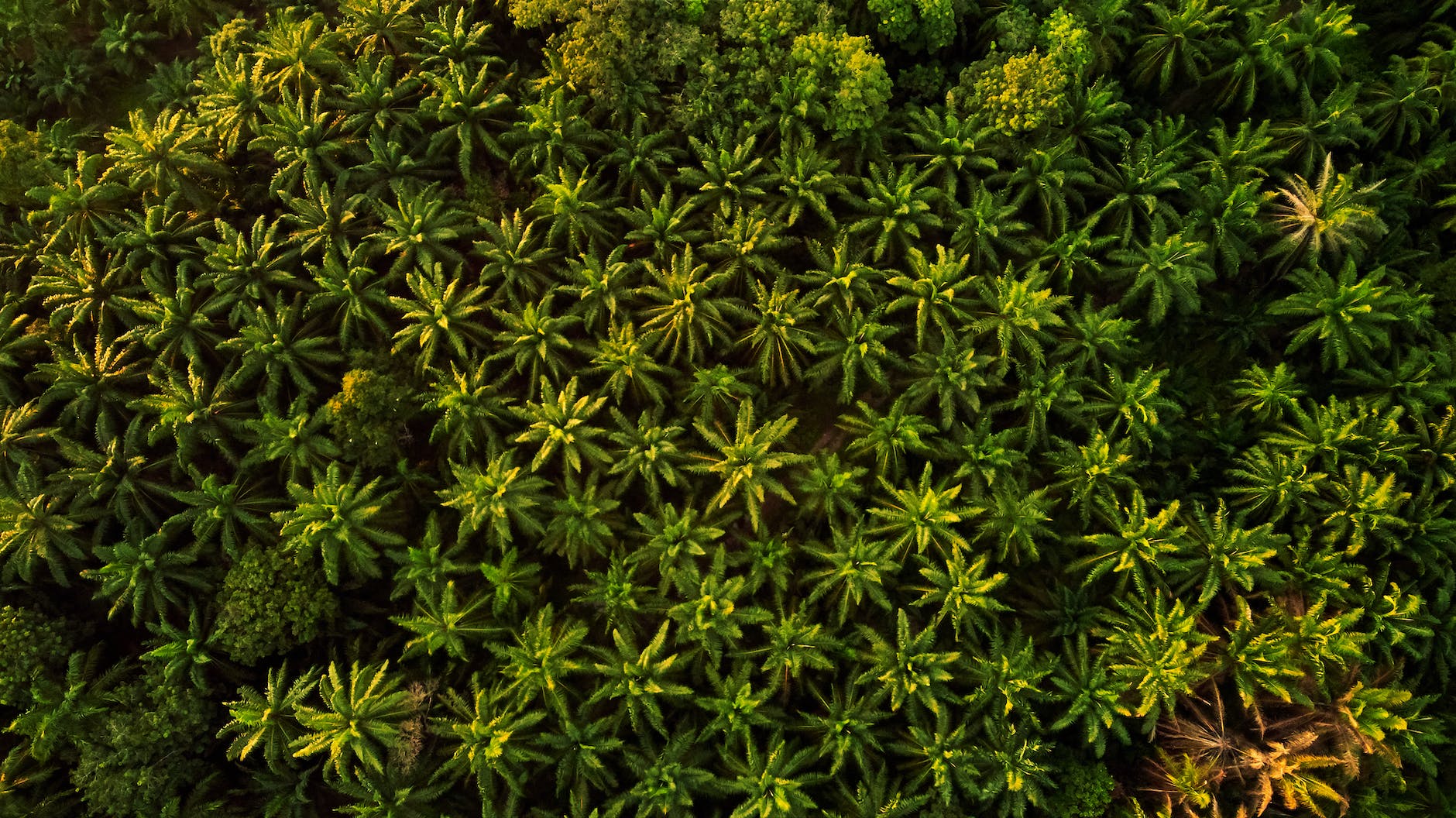
Palm oil is a vegetable oil. Producing palm oil creates one of the biggest threats to the orangutan species in particular, along with many other endangered animals. Palm oil has many names so it’s hard to be sure that a product doesn’t have palm oil in it.
Palm oil is one of the main causes for deforestation. People create so much of it and use so much of it and half of the time we don’t think we are doing anything wrong.
Finding a product that doesn’t contain palm oil can be tricky. A good way to eat/use your favourite products but save the planet as well is to make sure the palm oil used in the product is sustainable.







 Bella's World