Now – on the 23rd March at 20:30 (UK time)- switch off and join us and thousands of people across the globe, as we give an hour to the earth. Landmarks lose their lights and you can too, from your home. We need your help, get involved by turning off your lights and sharing this article with family and friends. Earth hour is the first step towards restoring our earth and is hosted by WWF, so what are you waiting for? We need to reduce energy consumption, so why don’t we act now? Below is the official video for this year. Have a great earth hour and please share your experiences with us! 🌍🌎🌏
My name is Lotus and I have recently joined Bella’s World! The environment is a crucial issue and we must make it our priority! I am a botanist and the head of plants, so I feel that we are not doing enough for Earth and it is doing so much for us! Are you with me?
I also love Pusheens (like Coral) and I am incredibly addicted!
I adore and love all types of dogs but my favourite is a golden retriever!
Most of us love dogs like Labradors and German Shepherds but have you thought of the forgotten species? There are two main endangered dog breeds which are Scottish Deerhounds and Otterhounds! Along with Bella’s World, I know we can save them!
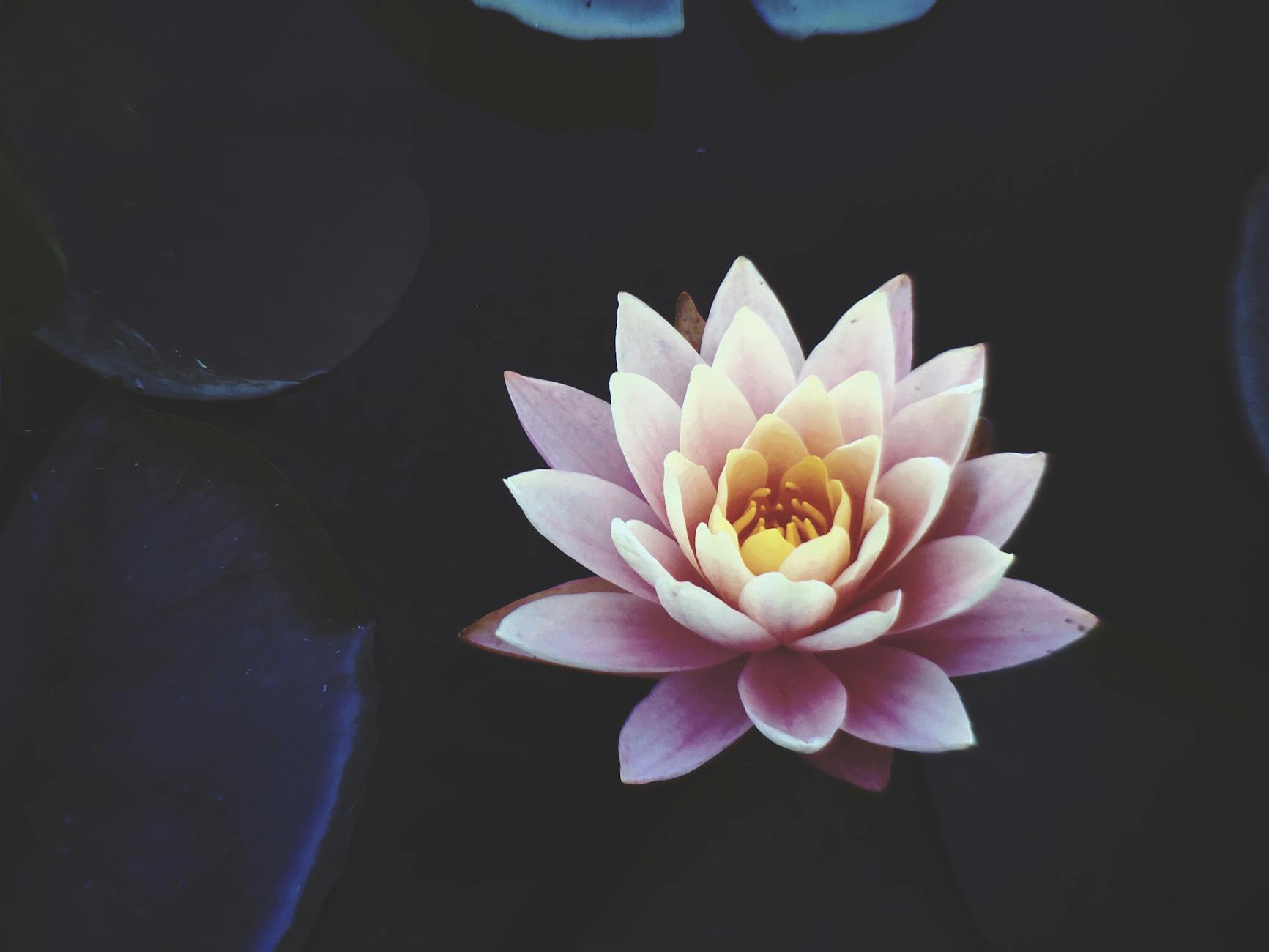
Welcome to or welcome back to Bella’s World! My name is Lotus, I recently joined Bella’s World, and today, we are going to focus on a flower called lotus ( that’s me!). There is a variety of lotus throughout the entire world, so here are the main types. An Egyptian lotus (a white water lily). A Nymphaea lotus from the family Nymphaeaceae and West Africa, with beautiful leaves of green to red-brown and varying purple spots. It can grow from 20-80cm tall. Next, is the sacred lotus of the Hindus. This is an aquatic plant (a Nelumbo nucifera)and has white or delicate pink flowers. Its large, flat leaves, which can grow up to 80cm across, sit on the water surface on stalks up to 2m long. A blue lotus (N.caerulea) was a dominant lotus in Egyptian art. The leaves which are 30-40cm, have wavy margins and can alter form and texture depending on if under water or floating in the surface. The flowers can be blue, purple, white, mauve or pinkish in colour with a yellow centre and up to 15cm in diameter. An Eastern North America lotus ( Nelumbo pentapetala) has light yellow blossoms, with 20 or more sepals and petals to 8 inches across.
A Lotus tree (which was known to Romans as a Libyan lotus) was probably Celtis australis, the nettle tree of southern Europe; it is a member of the elm family. Lotus is a Latin name for a member of the pea family – 100 species at are distributed in temperate regions of Europe, Asia, Africa and North America. In North America, 20 or more species of Lotus occur and are called common names such as deervetch and deerclover. They are grazed on by animals. Lotus, in the water lily form, is a persistent ornament in architecture. A well-known example is its use in the capitals, a practise dating from ancient Egyptian times. Lotus is also the basis of the Assyrian sacred tree and the Phoenician stela capitals, which was the antecedent of the Ionic order of architectural design.
The lotus has, since ancient times, symbolised fertility and related ideas including the following: birth, purity, sexuality, rebirth of the dead, and, in astrology, the rising Sun.
On the southernmost point of the Americas, you find the mountainous country of Chile. From of vast, arid steppe, to the rugged, costal ocean, this country is full of contrasts. In this edition of country file, we will discover it, as we embark on a vibrant Chilean adventure. Read on to learn about fluffy llamas, the world’s longest mountain-rage, and an island filled with large stone-faces.
Easter Island, a Chilean territory, is a popular tourist destination that is situated in the furthest south of the Polynesian triangle. It was named a world heritage site due to the iconic 1000 moai statues that were built there by the early Rapa Nui People. These monolithic human figures, built in around 1500 AD, are famous worldwide. Easter Island will remain a testament to Polynesian culture and arts.
The longest mountain range in South America, the Andes dominates the west of Chile. These mountains are home to towering peaks, vast plateaus, and raging rivers. One of the things the Andes are most famous for is their animals. Two of the most iconic Andean animals are the llama and alpacas. It can be hard to differentiate these camelids from each other but there are several main differences: llamas are larger, and taller than alpacas; llamas have long banana-shaped ears, while alpacas have short, pointy ears; and llamas have coarse wool, whilst alpacas have fine fur. Similar to these are there more wild relatives: alpacas and vicuñas, if you want to find out more about them, read some of Petal’s posts. The Andean mountain-range will forever intrigue us with its mystique and grandeur.
Chile has a unique shape and many thriving areas, which attract tourists from around the world. One of the most noticeable things about Chile on a map, is that it covers 2,653 miles (about 4269.59 km) from north to south, making it the longest country in the world. Chile is located in South America and borders Argentina, Peru and Bolivia. As well as looking fancy on the maps, Chile is sanctuary to rare and endangered wildlife; more than half of the country’s wildlife is found nowhere else on earth – of its 5,100 species of flora and fauna, more than 2,500 are endemic.
Chile’s culture is a distinct mix of indigenous beliefs, and Spanish colonial traditions. Chile’s most important celebration is Fiestas Patrias, which is the country’s national holiday. Its festivities include the Chilean National dance, which is done with handkerchiefs; and a parade, that takes place in the streets. It is a commemoration of the Government and is also known as Chilean Independence Day. As well has having a unique cultural history, Chile is also famous for its unique and flavourful dishes. Its national drink, Pisco, uses a strange combo of ingredients like Coca Cola, beaten egg, and lemon juice.
Have you seen the cherry blossom thrive, the daffodils bloom, and the tulips grow? Have you seen green grass around you? Have you seen the bare trees gallop to life? The heat overtaking the cold, the sunset lasting longer? Have you noticed baby sheep in fields?
Yesterday, was the spring equinox, and next week is Holi! Spring is finally here!
By Coral, please know that this article is not finished yet
Where the Northernmost tip of Africa meets the red sea, you find the majestic country of Tunisia. Full of chic white domed buildings, mediterranean-style architecture, and palm trees, this West-Arab nirvana is unique and iconic. From its sandy, arid dunes, to its sun-kissed cities, this place offers and caters for every taste. It is a popular holiday destination, whether you seek its plentiful resorts or the diverse coral reefs of the red sea. It is obvious this is a country of wonder.
Culture and History The name of the country- Tunisia- originates from Tunis, Tunisia’s current capital. The main religion of Tunisia is Islam, as 99% of Tunisians identify as Muslims. Adding to this, Tunisia has a rich history – it has been inhabited by humans since 8,000 BC, where humans survived by hunting and gathering. Tunisia was colonised by France, until they gained independence in 1956 and even though Arabic is now the only official language of Tunisia, many still speak French.
Geography and Nature Tunisia is Africa’s northernmost country, found on the very tip of the continent. It is bordered in the north by the Red Sea, which is one of the most biodiverse reef ecosystems in the world, and the vast Sahara Desert in the south. This desert is home to many rare and elusive animals such as wild camels, addax and fennec foxes, as well as several indigenous tribes and peoples. Tunisia’s capital is Tunis, which is its most populated city, other large cities include Sousse and Hammamet.
Food. Tunisia has a range of exotic and interesting food which you may have never come across. A popular Tunisian dish is Omek Houria, a salad mainly made up of boiled and mashed carrots, seasoned with various spices, generally Tunisians enjoy this topped with tuna. Another popular dish enjoyed in Tunisia is Tabouna which is an important traditional Tunisian bread, baked in a clay oven, it is usually severed hot.
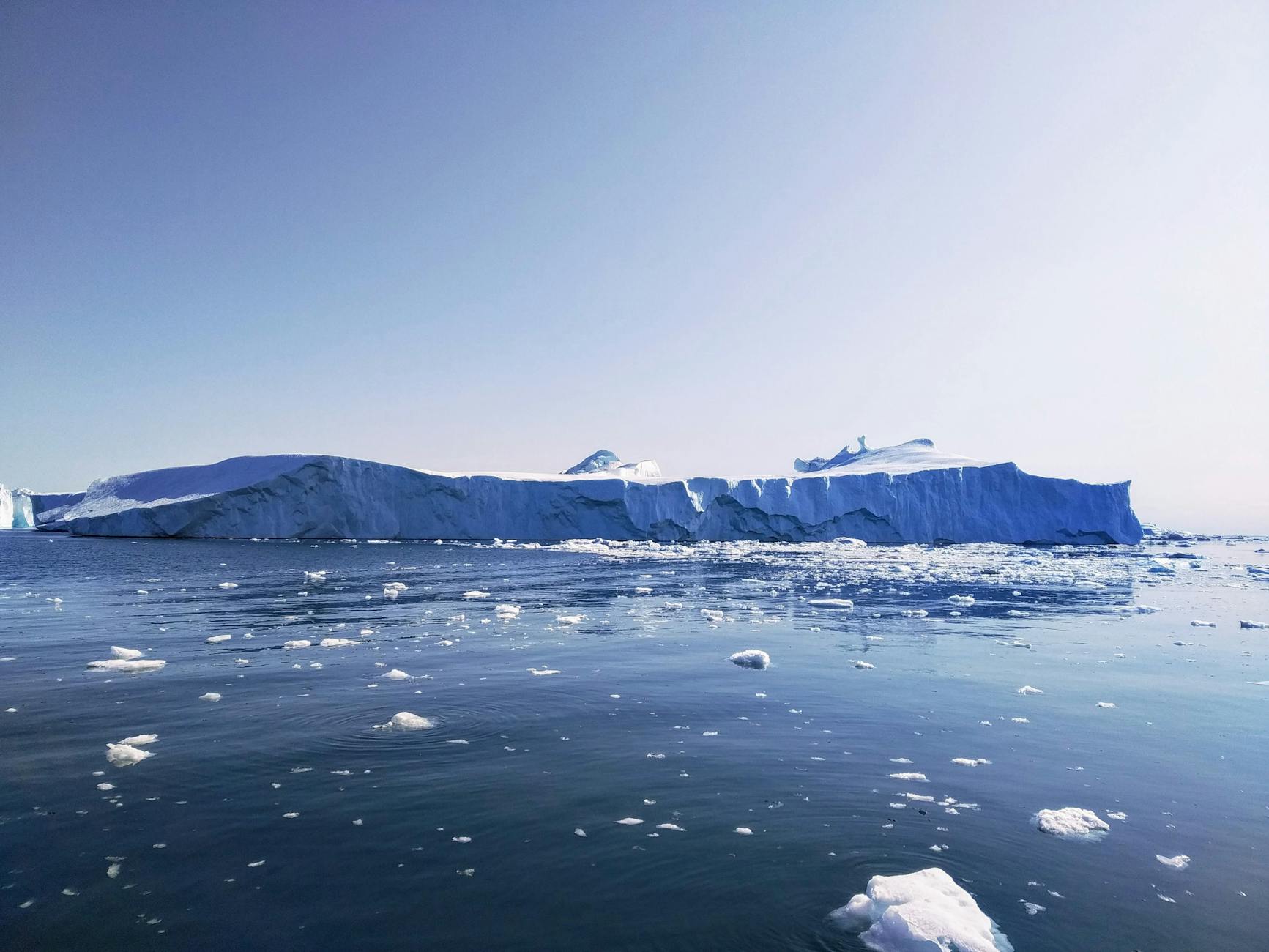
The far north has reached the peak of winter. This is a land of towering glaciers, treacherous temperatures, and furlongs of frozen ocean. Three months later, little has withstood the bleak conditions, but hope is arriving. Sun leaks into this barren arctic wasteland, as it begins a major transformation. Icebergs and glaciers begin to melt, and the snow starts to thaw. Sea that were once 2 metres of solid ice unfreeze, and welcome currents of nutrient-rich water. Everything looks different, and all the animals have realised. Spring has arrived.
The ocean is hive of activity. Aware of the spring sunshine, lots of creatures are stirring. Some of the first are starfish, who can sense changes in the water with the tips of the tubular feet on their arms, and begin to gather at the highest points of the ocean floor. Soon, the seabed is alive with a squirming vibrancy. Now that the water is effluent in nutrients, the starfish begin to spawn. Clouds of white starfish eggs float through the seawater, a cue for one creature. Sea cucumbers, who have lied on the seafloor for months, are emerging. Armed with 10 tendril-like arms, they are built for preying upon starfish eggs. At the end of their arms, they have web-like structures, which they wave around, catching as many starfish spawn as they can. The egg clouds are reduced and less starfish eggs remain.
All manor of creatures emerge, in order to absorb the new nutrients. Sea pens, a marine benthos, rise from the seabed to claim their share. Everyone appears to enjoy this annual marine feast. Fish from miles around migrate to enjoy the nourishing currents. Finally, when the sun has truly arrived in earnest, fronds of kelp begin to grow. Kelp are an aquatic algae, that help consume 4.5 million tonnes of carbon each year. With this new burst of life, the ocean has became a forest. This phenomena, that welcomes new life and activity, happens every spring. It transforms the lifeless Arctic Ocean, into a lush green sea.
Whale sharks are the biggest fish in the sea! They are 100% shark and 0% whale. The reason why the are called whale sharks is because they are the one of the only fish to give birth to their young. They also only eat plankton therefore it is safe to swim with them. Scientists don’t know for sure where they give birth but they do have an idea. They are thought to give birth at Darwin island, in the Galapagos islands. When they get there, silky sharks brush their bodies against the rough skin of the soon to be mother whale shark. Possibly to get rid of parasites. This is no safe place for her babies, so she travels at least 600 meters deep and gives birth.
Quick facts
Weigh: around 11 tons
Biggest fish in the sea
Close their mouth only every two hour to let in more plankton
Scientific name: Rhincodon typus
Length: around 40 feet
Status: ENDANGERED
Did you know, it is really common to eat whale sharks, so we must help them now!
By Coral Sea
If you want to learn about Galapagos tortoises, then check out my article! Also, you HAVE to watch BLUE PLANET II!!!
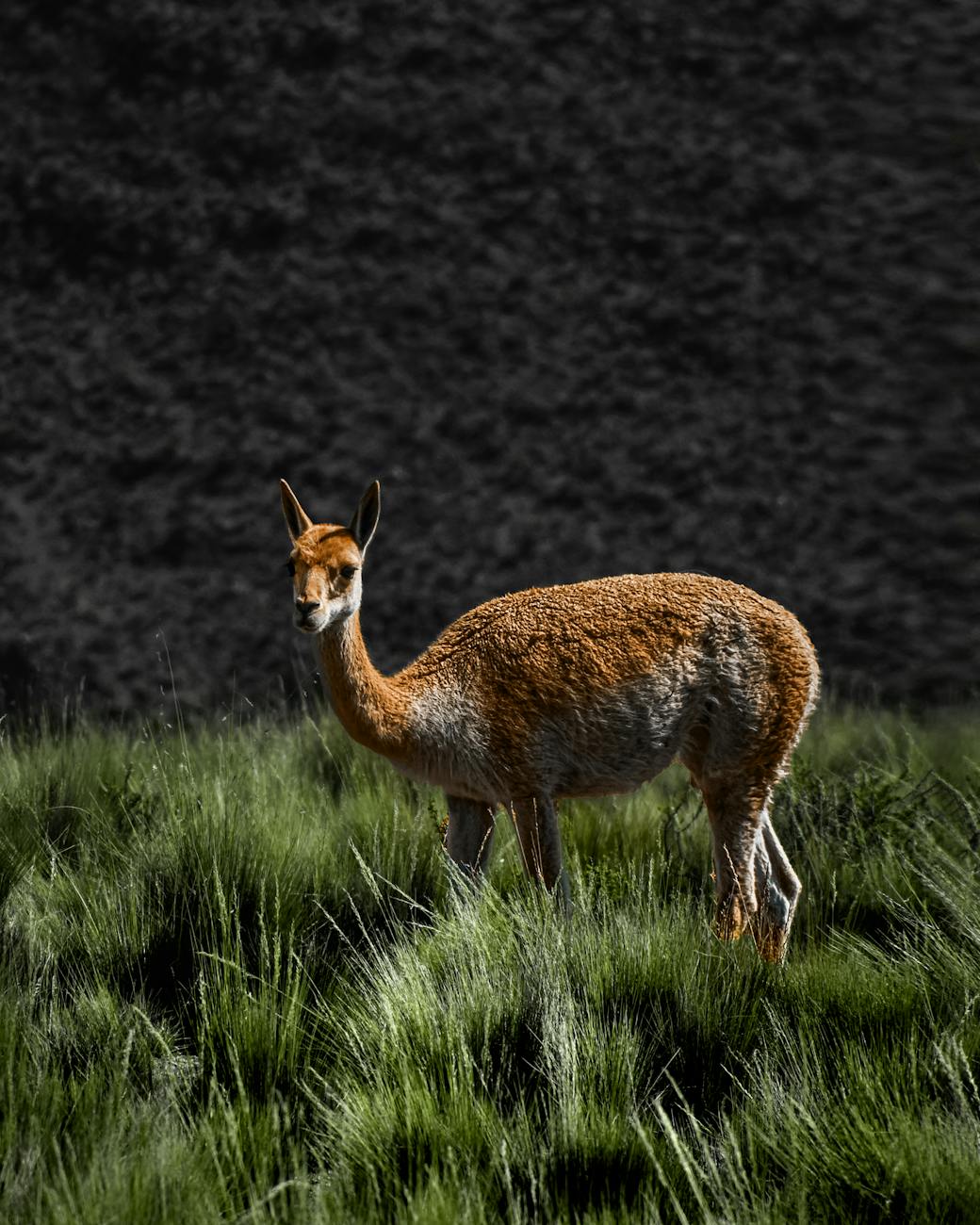
Vicuñas (also known as vicugna) are mammals found in South America and are related to Alpacas. They are a camelid (along with alpacas, llamas, guanacos and camels) and are not domesticated, unlike their close relatives. In the 1970s, they were critically endangered and many conservation projects were set up to help build up the population again. They are now listed as Least Concern but there are threats for them such as pacovicuñas, which is an alpaca and vicuña bred together, and some locals moving them out of their natural habitat because they need space for their cattle
Their fur has actually been used for clothes for thousands of years as it is very warm and this helps them survive in their habitat: the Andes. The Incas used vicuña wool for clothing but only the emperor and nobility were allowed to use it, symbolising that their wool was very precious. Their population is around 350,000 and they are protected by Peruvian laws, so only certain companies can use their wool/fiber, and avoiding illegal sales of it’s unique wool. The animal is considered to be the smallest in the camelid family and have two subspecies, one which lives in dryer climates, and one that lives in wetter climates. Their main predator is the puma, who is responsible for 90% of deaths, and vicuñas rely on herds to stay safe. After the Incan Empire fell, the Spanish empire hunted and killed vicuñas almost to extinction, but thankfully there are not many threats for them now.
1. If you have a cat, you may or may not know its breed. Today you might find out! As there are over 100 different cat breeds, they are all so adoring and cute.
2. Cats can see up to 120 feet away. Watch out because a cat might be watching you…
3. The oldest cat known lived at the grand, impressive age of… 36 in cat years
4. The average age of an indoor cat is 15 years, while the average age for an outdoor cat is only 3-5 years
5. If a cat has blue eyes, they are most likely prone to deafness
6. Cats lap liquid from the underside of their tongue, rather than from the top when drinking
7. The largest cat breed is a Ragdoll. Males of this breed weigh 12-20 pounds, with females weighing 10-15 pounds :0
8. Kittens can not see or here at birth
9. Most people think cats are colourblind, they are actually partially colour blind with some colours. But yes, they can see in colour
10. A quivering cats tail is a the BEST sign of love a cat can give you
11. A cat can jump up to 5x its own height
12. If a cat snores/rolls over on its back to expose its belly, it means they trust you, does your cat trust you?
13. Cats respond more readily with names ending in the sound ‘ee’
14. Compared to a dogs 10 vocalisation, cats have 100 vocalization sounds
15. Cats purr at the same frequency as an idling diesel engine, approx 26 cycles per second
16. Sir Issac Newton discovered gravity, he also invented the cat flap
17. A cat will rarely never ‘meow’ at another cat. This sound came from humans imitating cats
18. Cats have the largest eyes compared to any mammal
19. With an average of 16 hours sleeping, cats are no doubt, one of the sleepiest of all mammals
20. lastly, the nose pad of a cat is ridged in a pattern that is very unique, like the fingerprint of human!
I hope you enjoyed reading this factual article made by Skye




 Bella's World