Blue whales

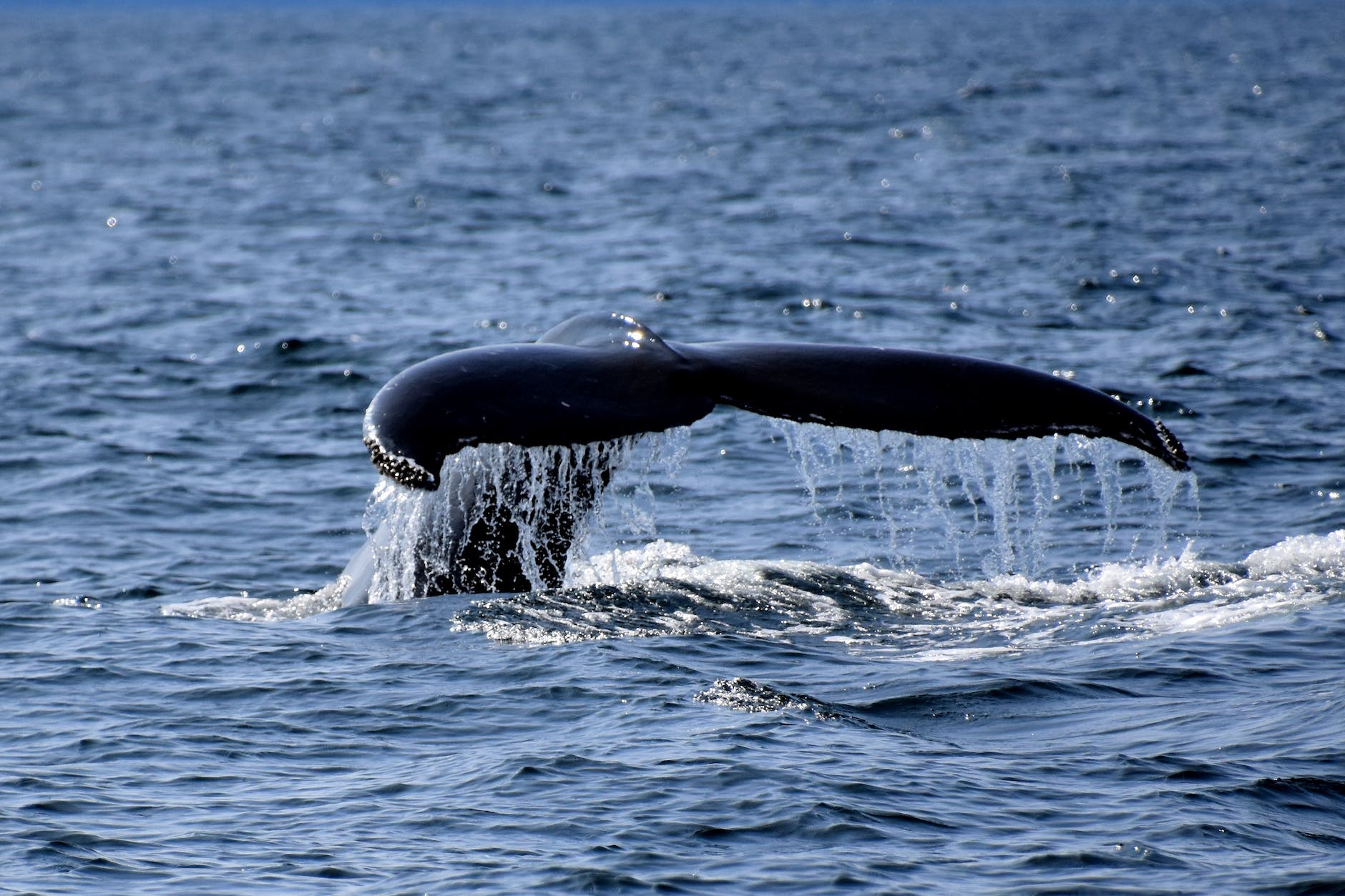
I chose to write about blue whales because l think everyone should know how amazing they are. Read more to find out.

There once was over 350,000 blue whales in the wild but they were hunted and now there are only 10,000 to 25,000 left. They were hunted for there blubber which was made into lamp oil, soap, perfume, candles and cosmetics. Whale hunting was banned in 1986, even though the law was put in place Japan, Iceland and Norway have killed nearly 40,000 large whales since then.

Photo by Jeffrey Eisen on Pexels.com

Cool facts about them:

  • they can weigh as much as 30 elephants
  • they are the biggest animals on earth
  • sounds made by blue whales can by heard by other whales up to 1,000 miles away
  • they have the biggest babies in the world
  • there are 90 different species of whale

Thanks for reading, hope you enjoyed it.

Shearwater

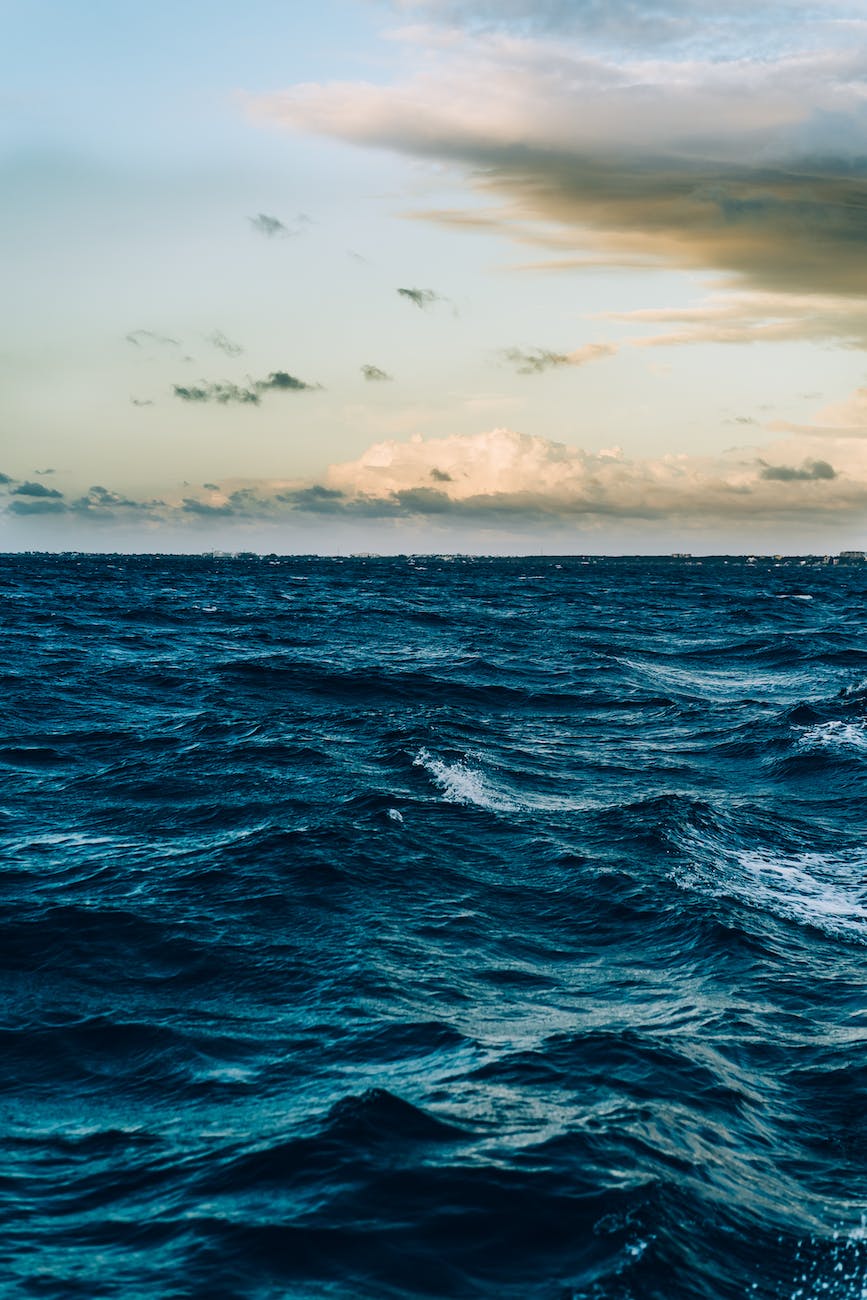
Photo by Ricky Esquivel on Pexels.com

Shearwaters are seabirds in the petrel family Procellariidae. they are most common in temperate and cold waters, and are pelagic outside the breeding season. After leaving the nest, in a few days these birds can already travel up to 2000 km. The distance of the journey south can be over 10,000 km (6,000 mi). They feed on fish, squid, and similar oceanic food. Some will follow fishing boats to take scraps, commonly the sooty shearwater; these species also commonly follow whales to feed on fish disturbed by them. Because all their food is sourced from the sea they are built to be great divers. Some species can dive to depths of 70 m!

The most common shearwater is the great shearwater and there are about thirty species. Shearwaters are critically endangered, and as a species under threat and have a deeply uncertain future because of threats from fisheries by-catch and climate change at sea, and predation pressure and human disturbance at the breeding colonies. So if we don’t change are ways we might not see any more of this amazing birds at some point in the future .

Types of rainbow

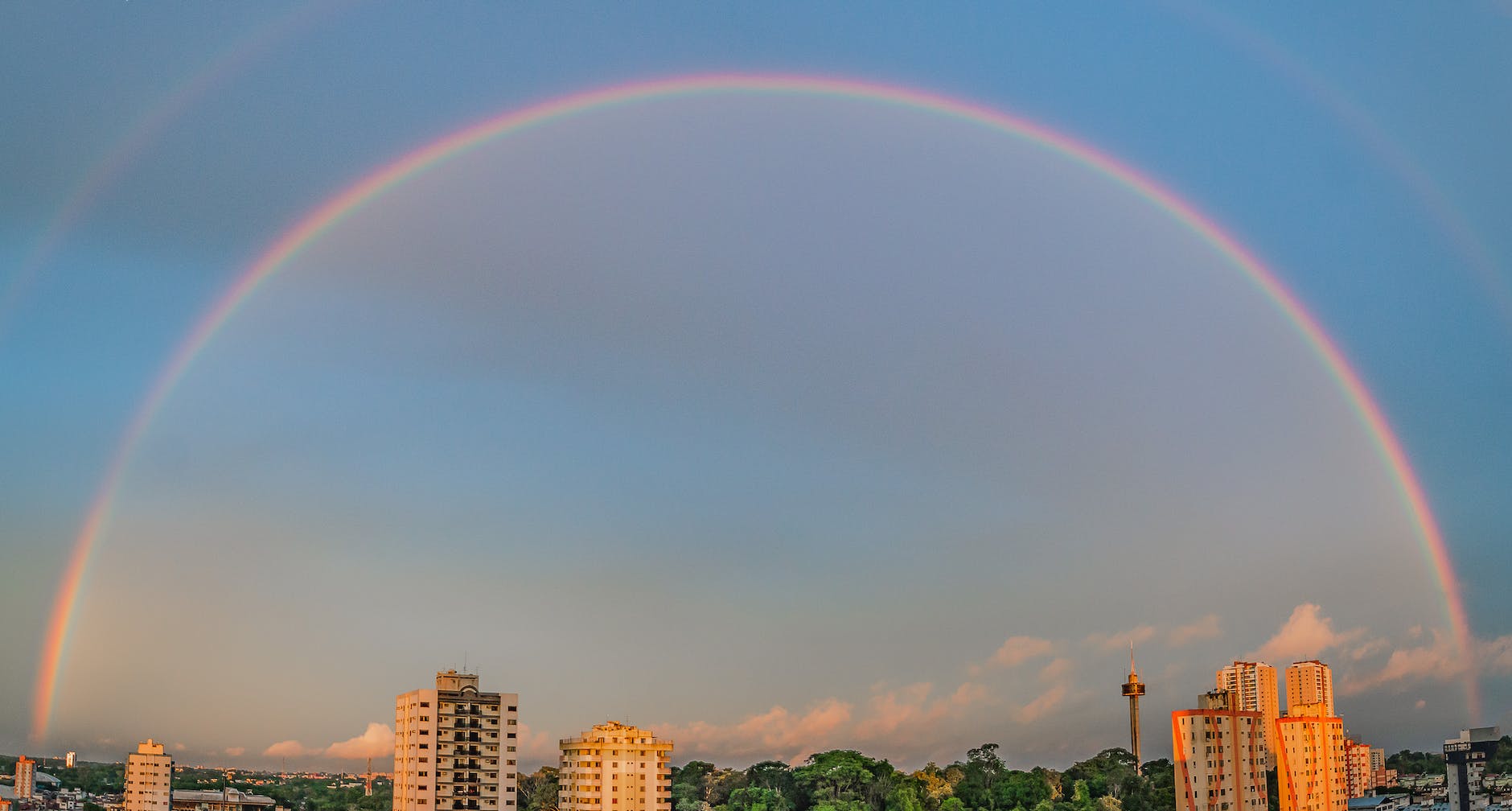
Photo by Italo Melo on Pexels.com

Everyone knows the beauty of rainbows, the pretty colours together in the sky. A fond memory of a wet autumn day. They’re created by the sun shining through tiny raindrops. The rain is often a little sad but rainbows are hopeful as they shine through the sadness. Let’s dive in to rainbows.

Moon-bows

The glassy moonlight shines in the night-time rain to create a moon-bow. The moon-bow has more of a muted colour palette. At Victoria Falls, you can often see them. However, this phenomenon is quite rare. Now let’s move on to an even rarer specimen…

Quadruple Rainbows

Four rainbows at once, what a sight! This happens when the sun shines through four drops of rain. Often the inside rainbow is the brightest and most vibrant. This is incredibly beautiful and rare!

Meanings behind rainbows

Rainbows are the main theme of pride month. Representing the sense of belonging in the community. Stay rainbow spotting. Thank you for reading about rainbows. Please share your thoughts, knowledge and rainbow experience. Like and comment for Part 2 to learn more about these rainbows!

– Froggy ✨🐸✨

Perplexing Puzzles

Welcome to or welcome back to Bella’s World, today you’ve got some perplexing puzzles. A great way to learn (I know lots of words from crosswords). The theme is animals and geography. Write down your answers in the comments below, also whoever gets the shortest time is the BW Puzzle Master! For the word search just post your time. Post your experience in the comments below.

Alpine Bog Environment 
Forest Globe Grassland 
Meadow Mountain Ocean 
Peatland Rainforest Savannah 
Swamp Taiga Tundra

ACROSS
3. Loves small shell creatures
5. Big Eyes
7. an antelope who one of our members is named after!
8. Theh Theh!
9. Graceful fish devourer
12. 8 legs
13. Great Swimmer one species is a leopard __

DOWN
1. Hangs upside down
2. Spotty and endangered
4. Woolly
5. Pink and a bird
6. Enjoys Salmon
10. Large Beak
11. Rusty, bushy tail

Thank you for reading. Come back to Bella’s World for Eco News, Challenges, Art and so much more. Have a frogtastic day!

– Froggy ✨🐸✨

Nature Heals

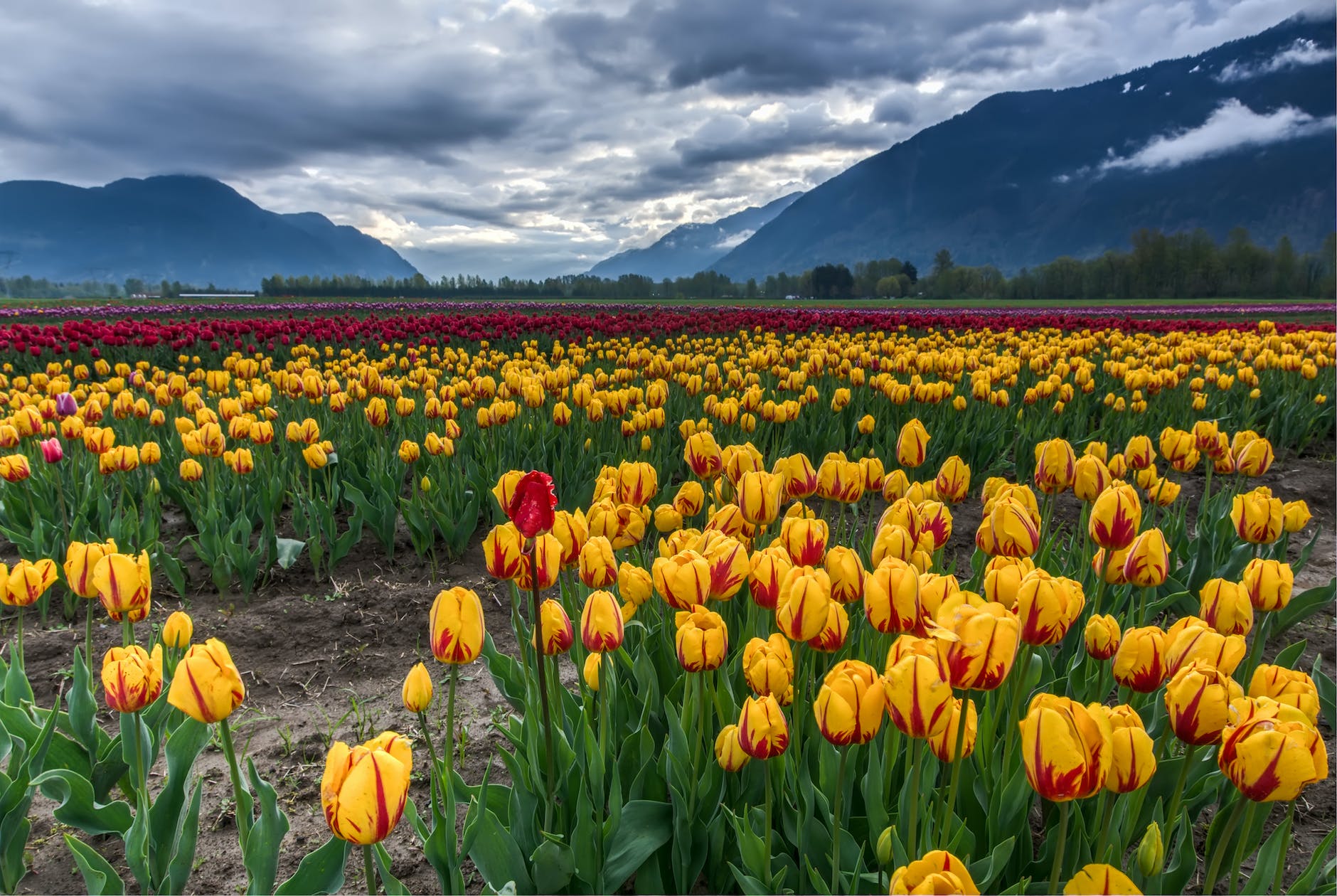
Photo by James Wheeler on Pexels.com

Welcome to or welcome back to Bella’s World, today I’m discussing how nature heals humans.

Here is the first way, have you ever felt anxious or really sad? Probably yes, but simply by being in nature can help you. With the relaxing sights, familiar sounds and sometimes pleasant smells. Often this little trick can help calm you. If you have a garden you can visit that too! As well as making you relaxed, plants can make lots of medicine. Though please do not eat any plants other fruits and vegetables. Through plants all sorts of medication can be made to help people heal. Hope to see you soon!

– Froggy ✨🐸✨

Happy New Year!

Happy New Year! I know everyone is excited for the new year ahead (hopefully we can make even more eco-friendly changes) but first let’s remember how far we have gone to help our world in 2023. Here are our highlights (in no specific order)…

1. Save Our Wild Isles/Wild Isles

Save Our Wild Isles was a collaborative campaign, this collaboration was made up of WWF, the RSPB and the National Trust. This project was created to bring an end to the destruction of UK Nature and to call for people to take action for it’s recovery. This project followed the BBC series Wild Isles (presented by Sir David Attenborough). This show was co-produced by WWF, The RSPB and The Open University.

(This information was found on wwf.org.uk) Find out more by clicking on the button below…

2. England Bans Single Use Plastic

From October 1st, England has had a new law concentrating on lowering the amount of plastic that we use. There are now rules on selling items like plastic straws to customers. This new law ensures that people will use more recyclable items, such as using reusable paper straws instead of plastic ones. It has encouraged many to be more eco-friendly.

3. Increase In Tiger Population Revealed

Since 2010, It has been recorded that the tiger population has increased by over 2,000 tigers. Just over a century ago there where about 100,000 tigers in Asia (in the wild) but in 2010 there were only around 3,200 – that’s a big decrease in the tiger population. Luckily for the tigers, in 2010, 13 tiger range countries launched a project to increase the tiger population. This project went over a 12-year period. The project stopped in 2022 and in 2023 we found out that now there are an estimated 5,574 tigers in Asia!

(This information was found on wwf.org.uk) Find out more by clicking on the button below…

4. Our Planet III

Our Planet III (hosted by Sir David Attenborough) is a shared favourite TV show of many of the Bella’s World team. This BBC series has rare and amazing footage of many animals that you wouldn’t see day to day. This program has shown a lot of people the value of our natural world and shared some incredible facts with viewers.

5. Bella’s World

Of course, our top highlight for the environment has been releasing this blog. It has been incredible to share facts with the world and encourage people to stop climate change and save our world.

Remember that these are only our highlights and many people who are not on this list have been doing an incredible job of saving our planet, if that is you, then THANKS, YOU ARE FANTASTIC!

From all of us here at Bella’s World, Have a Happy New Year and an incredible and eco- friendly 2024!

– Bella

Unusual Creatures

Have you ever wondered what creatures lie in place you’re unable to explore. Well you’ve come to the right place. These creatures are marvellous are in no way ugly and are precious to our environment. Are you ready to see my top 3?
.

  1. The Brilliant Blobfish

The Blobfish has adapted to its unusual surroundings. Often living in the Atlantic, Indian, and Pacific oceans, between 1,970 and 3,940 feet deep. Which is incredibly deep! (Sorry we couldn’t find a pic for this animal, you can look up blobfish online to see what this creature looks like)

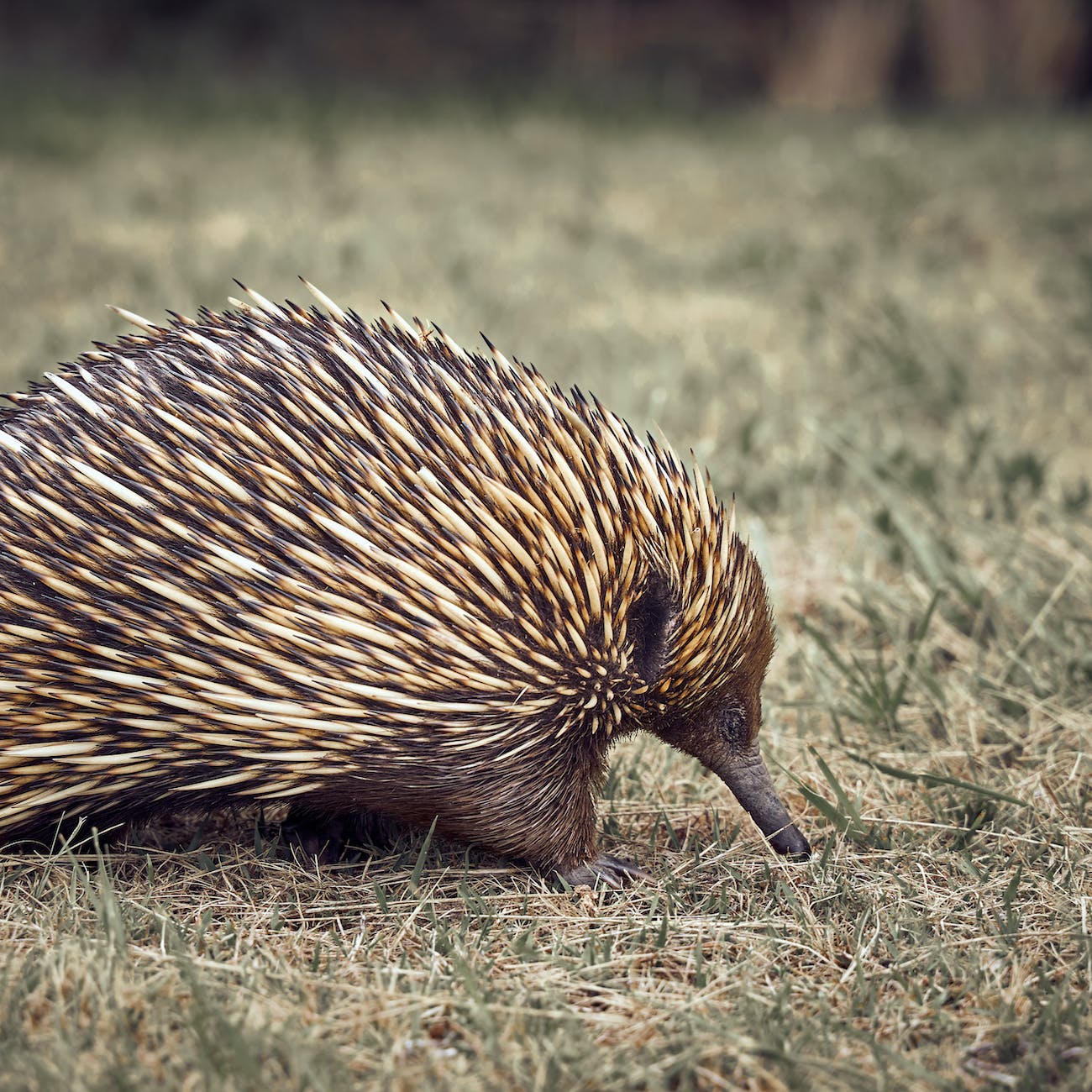
2. The enchanting Echidnas

Photo by Gilberto Olimpio on Pexels.com

The echidna is a rather unusual mammal, it lays eggs. Something mammals aren’t supposed to do. It lives in Australia where it mainly eats termites and ants. It’s young are called puggles! Adorable!

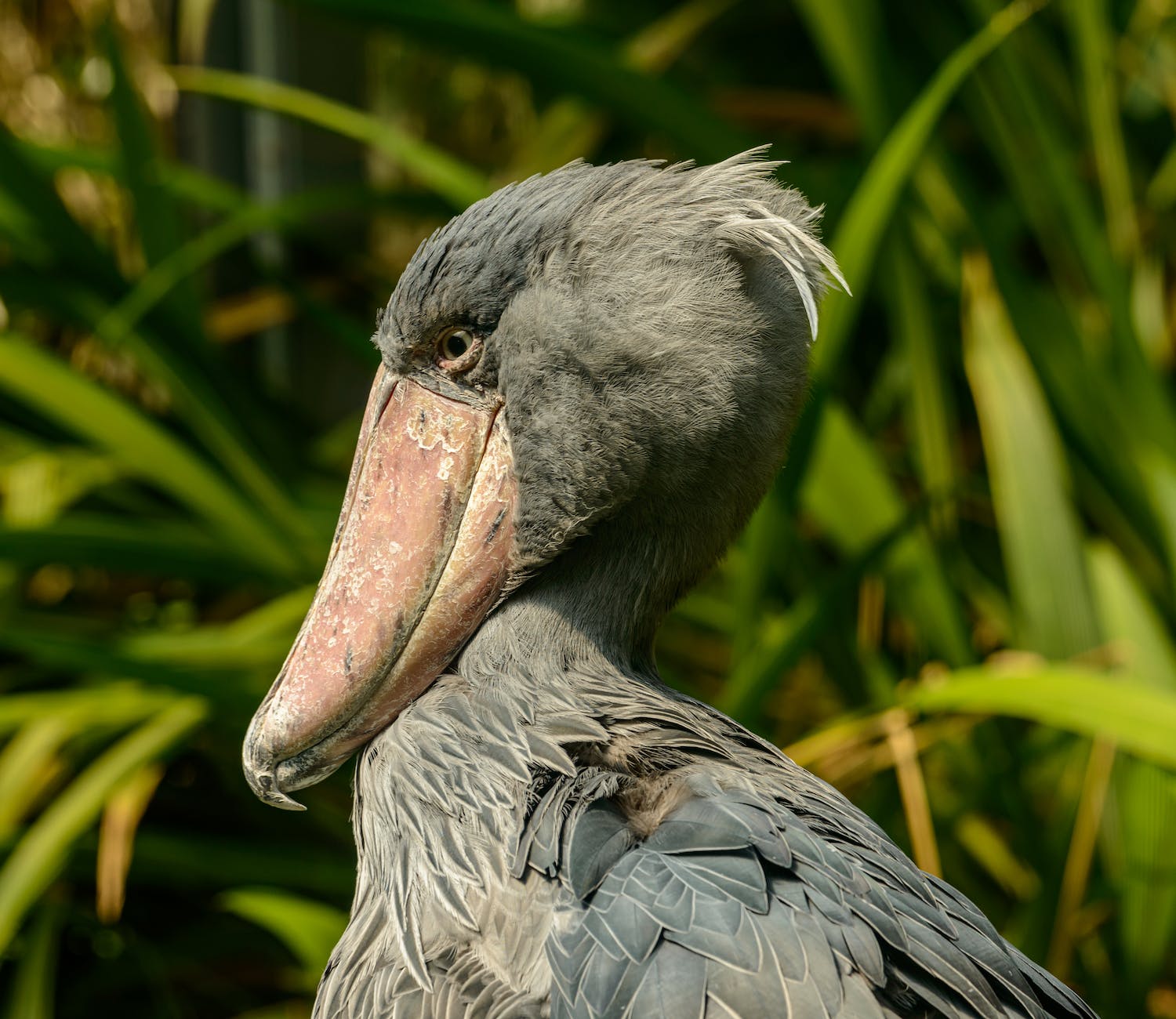
3. The Sensational Shoebill Stork

Photo by Petr Ganaj on Pexels.com

The dinosaur bird, a marvel to human eyes! However they are at great risk of extinction like the actual dinosaurs. They live in southern Sudan (mainly in the White Nile Sudd), the wetlands of northern Uganda and western Tanzania and the Bangweulu swamp of northeastern Zambia in aquatic environments.

– Froggy ✨🐸✨

Eco Search Engine!

Photo by Lisa Fotios on Pexels.com

Welcome to or welcome back to Bella’s World, today I have found eco gold! We all crave to save the environment but how, sometimes we can’t just make big steps in seconds. We can however, make small steps in just a few clicks with Ecosia! Every search plants a whole, wonderful tree. Together their community has planted 150 million and more. As well as planting trees they run other eco projects, collaborating with many different people. All projects are focused on sustainability and providing people with eco friendly solutions to their problems.

Other eco friendly search engines include…


and many more!!! It is great that so many search engines are working hard to make a difference and encouraging people to make small changes. A small change can go a long way!

– Froggy ✨🐸✨

Goats

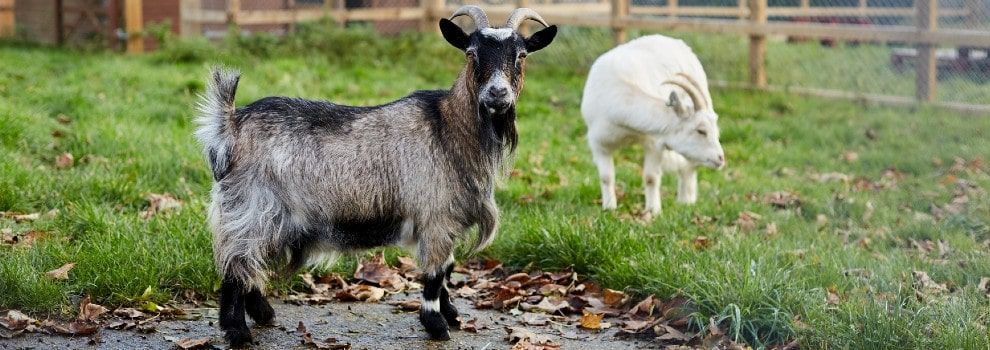
Goats are very similar to sheep and are closely related, but they are not the same as sheep. There are over 1 billion goats in the world, and they are found in many different places! They were domesticated 10,000 years ago. There are around 300 different domesticated breeds of goats. Goats are curious and independent animals; goats in a herd usually have different ‘ranks’, as in some goats are seen as more important than others. Goats make bleating noises to tell others their thoughts and feelings, and usually herd members understand them! An average goat lives for around 8-14 years and can weigh from around 54 to 77kg (120-170lbs). Myotonic goats are known as fainting goats because when they get scared or surprised, their muscles become stiff for a period of time, and then they fall over!

Goats can be many colours, such as brown, black, and white. There are many different goat breeds, but some of them are the Boer Goat, American Pygmy Goat, Nigerian Dwarf Goat, Saanen Goat, Spanish Goat, Angora Goat, LaMancha Goat, Arapawa Goat, Madurai Goat, and the Damascus Goat. Sadly, the Arapawa Goat is one of the rarest goats and is believed to be the last descendant of the English Milch Goat. They are native to New Zealand and are on the conservation priority list. Goats are bred for their meat, milk, and sometimes hair fibers (most commonly the Angora Goat), and skin. Their most common wild predators are Wolf, Leopards, Lynxes, and Brown Bears. It’s believed that the earliest type of goat to be domesticated was the Bezoar Ibex (a wild goat) and was domesticated by Neolithic farmers. Males are usually larger than females and have larger horns. Females (also called does or nannies) live together with their children, and the males (also called billys or bucks) live together in smaller groups and in mating season they fight for the females. They give an average of 1 or 2 babies after waiting 6 months. There are many different wild and domestic goats with various being listed as endangered, near threatened, vulnerable, least concern, and critically endangered.

A bad thing for our frogs

Photo by Pixabay on Pexels.com

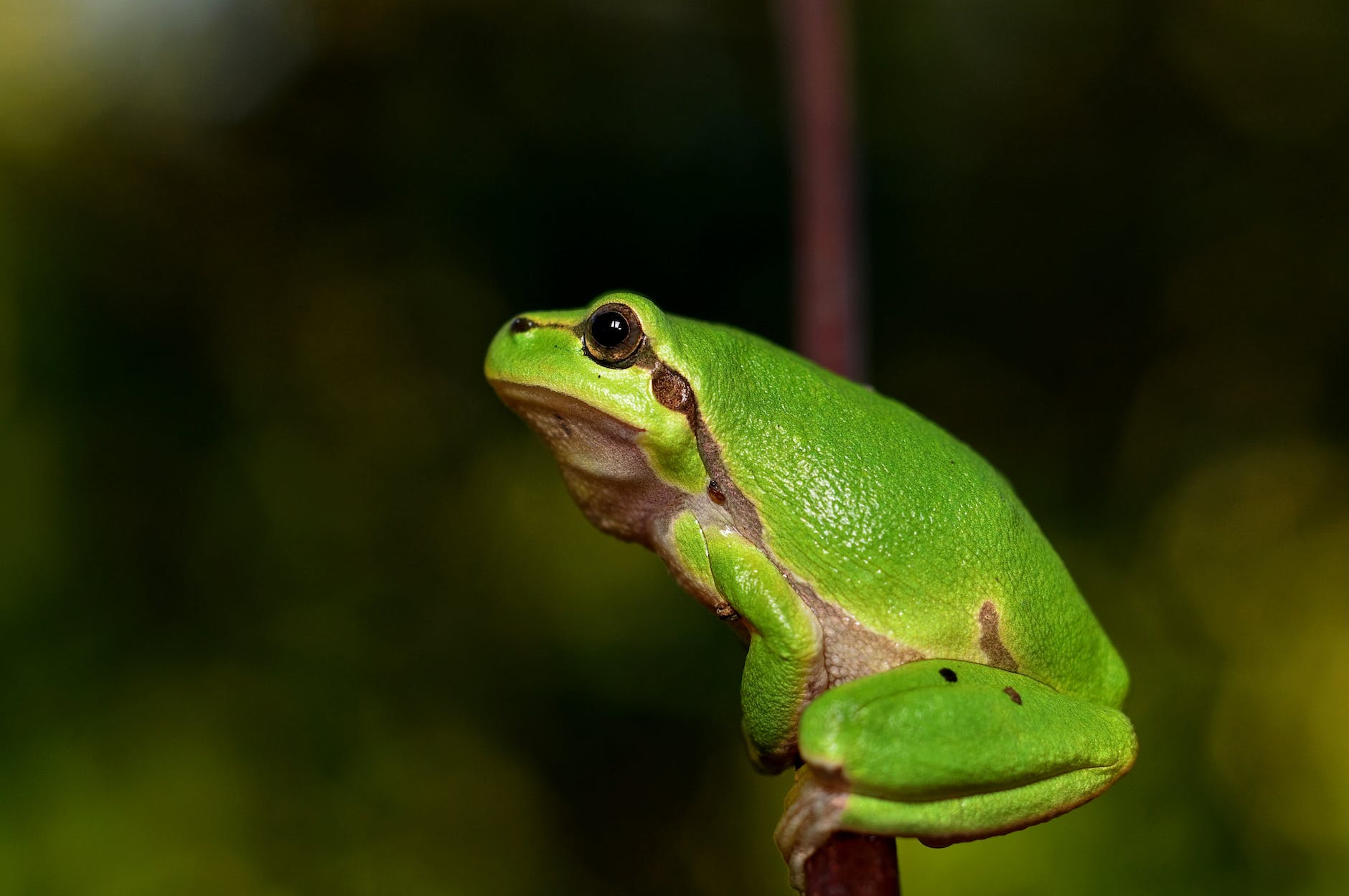
3000 frogs are endangered, in danger of extinction. Half of our frogs are going to die out. The environment is changing rapidly and they can’t keep up. The climate is warming and they can’t live like that. They are hunted, poached and ruthlessly slaughtered. We can’t let this happen. Panamanian golden frogs are likely extinct because of the chytrid fungus which is caused by climate change. Lehmann’s poison frog only lives in 10km of land because of deforestation (the worst thing ever)! Chytrid fungus is real and it’s killing our frogs. We need to save them, we can’t just stand there, we have to take action. Everything is in our hands let’s do our best.

– Froggy ✨🐸✨