Hi, I am Coral. Today, I want to test you on gems! If you don’t achieve a high score don’t worry, this is just for fun and you can always find out more about rocks right here on Bella’s World!
Is Rose quartz is the only pink quartz?
Are the discovery spots for Iceland spar Iceland AND Mexico?
Dalmatian stone, also known as a type of jasper (because it has hooked onto buyers) are only found in the amazing country of Mexico. Dalmatian stones are not a type of jasper at all. In fact, they are a microcrystalline for being made of black tourmaline and feldspar quartz. The creamy white back round is the feldspar, while the tourmaline is the rustic black dots. This iconic rock is made near volcanos. The heat and pressure cause minerals to melt.
Dalmatian stones are named after the playful dalmatian dog. Due to that, dalmatian stones are believed to give a sense of loyalty and playfulness.
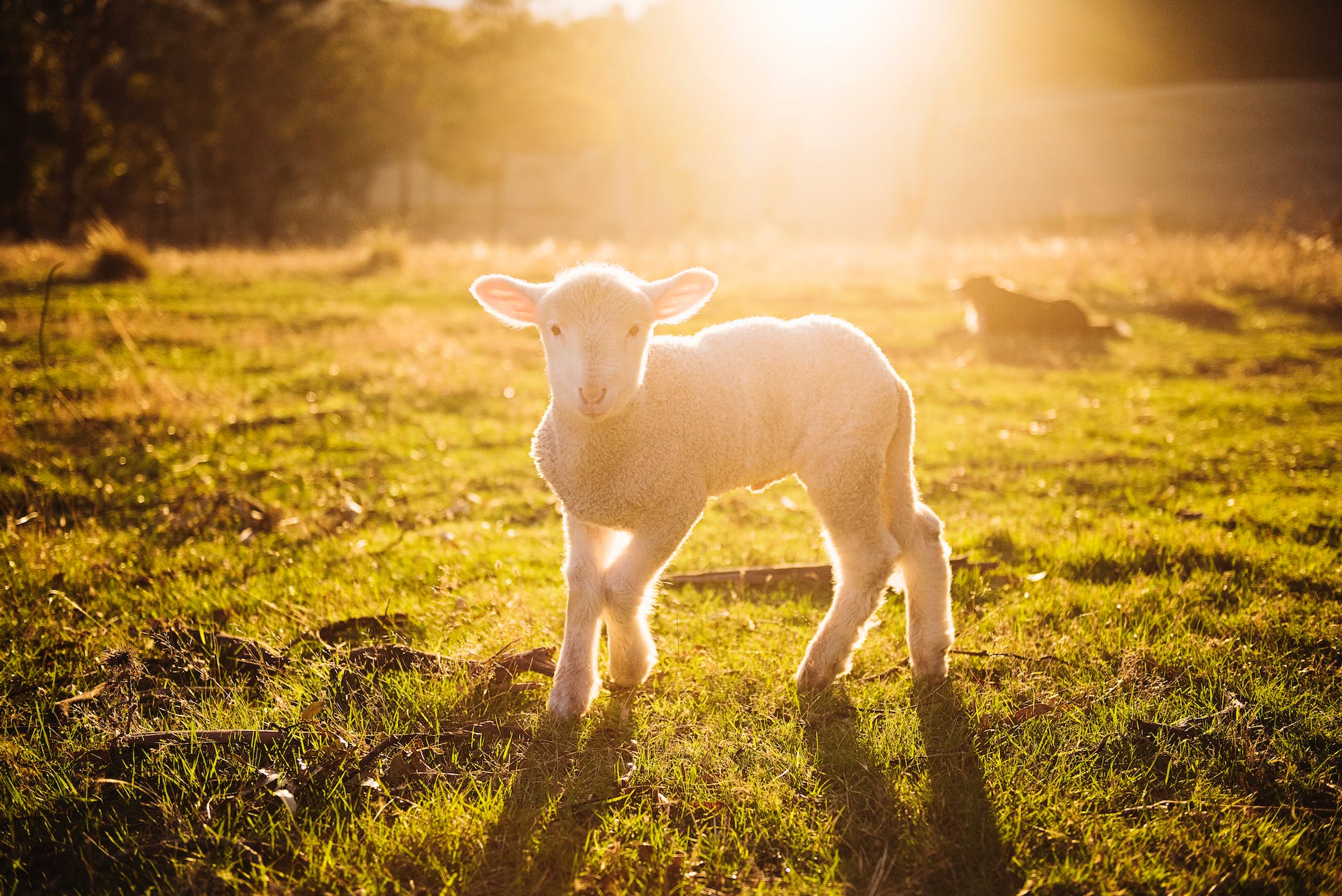
Sheep are mammals and can be found on farms in many parts of the world. They are prey animals and are not seen as predators by any other animal. There are over 1 billion sheep in the world, kept for their meat and wool. Lambs (baby sheep) are independent from birth and recognize their mother with bleats. Sheep were one of the first domesticated animals and have been farmed since around 9000 BC(E). Now they are bred to produce more wool. Sheep live from 5 to 10 years and their average weight is 40 to 130 kg (88 to 298 pounds or lbs). They live in flocks and eat mostly grass.
Like humans, sheep have a set of baby teeth that they lose as they get older! Most get their adult teeth slowly and will not have a full set of teeth until they are 4 years old. Sheep are animals that love their families and will stick close to their mother and their siblings. In a large flock, you may notice that related sheep are always standing close to each other. It is estimated there is over 1000 different sheep breeds, one of the most common being the Suffolk sheep. They mostly eat grass or hay and mostly you can find them eating. Ewes (female sheep) mostly give birth to 1 to 3 at a time with twins most likely. The country with the most sheep is China with over 194 million ! They are not aggressive but can be weary of strangers
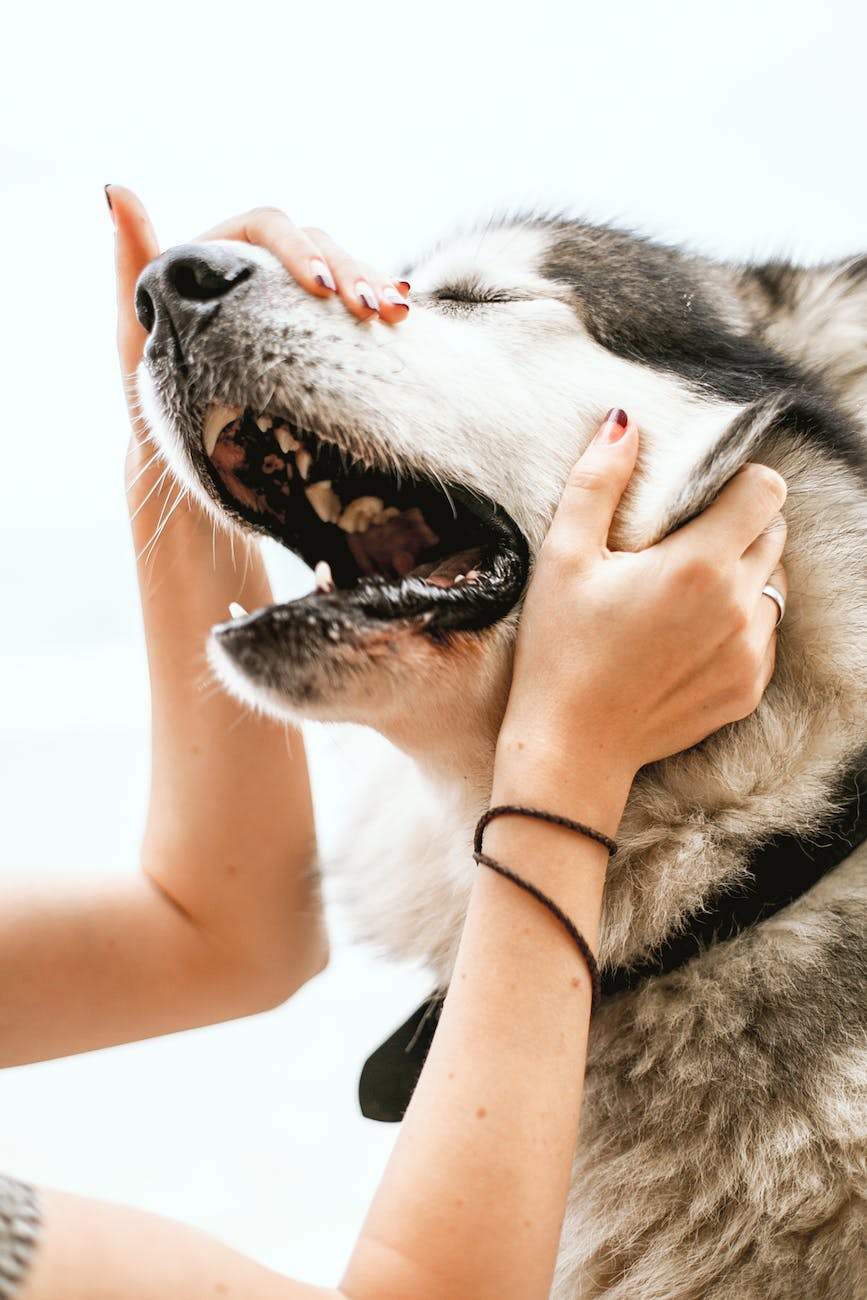
Bonds between humans and dogs can be unbreakable like some parent-infant attachments. It seems to be this specific relationship of shared understanding and close affiliation that is at the heart of the view that dogs are indeed humans’ best friend.
New research shows that when our canine pals stare into our eyes, they start the same hormonal response that connects us to human infants. The study—the first to show this hormonal bonding effect between humans and another species—may help explain how dogs became our companions thousands of years ago.
It’s not just the walks and the Frisbee catching; canines seem to understand us in a way that no other animal does. Point at an object, for example, and a dog will look at where you’re pointing—an intuitive reading of our intentions.
There are many reasons why humans and dogs share such a special bond. Dogs have been man’s best friend for centuries. They were the first animals to be domesticated by humans, and have been an essential part of human society ever since. The love people have for their furry friends is unwavering. From understanding each other’s emotions to being protective of one another, here are five reasons why humans and our canine companions share such a special bond.
Dogs provide unconditional love to humans. (Dogs are one of the most loyal animals on earth. They are protective and give us endless amounts of love and the feeling of being needed.)
Dogs are obedient (If you have a strong bond with your human, they will most likely do as they are told.
Dogs help you feel needed (Dogs are not only man’s best friend, but they are also there to make us feel needed. They do this by fulfilling their duties as companion animals, which includes things like doing tricks, sitting on command, and playing fetch, as well as simply being there for us in times of need. Pets act as a loyal friend who won’t judge you and will always be there for you.)
Dogs lower human’s stress levels (Dogs can be a great form of stress relief for humans. When a person is stressed, they experience increased levels of cortisol. Studies show that when people pet their dogs, the dog’s presence lowers cortisol levels in humans by up to 50 percent.)
Dogs can be used as therapy animals.(For those who are struggling with depression, anxiety, or other mental health issues, therapy dogs can be highly beneficial.)
Thanks for reading hope you Learned more about our relationship with dogs like I did.
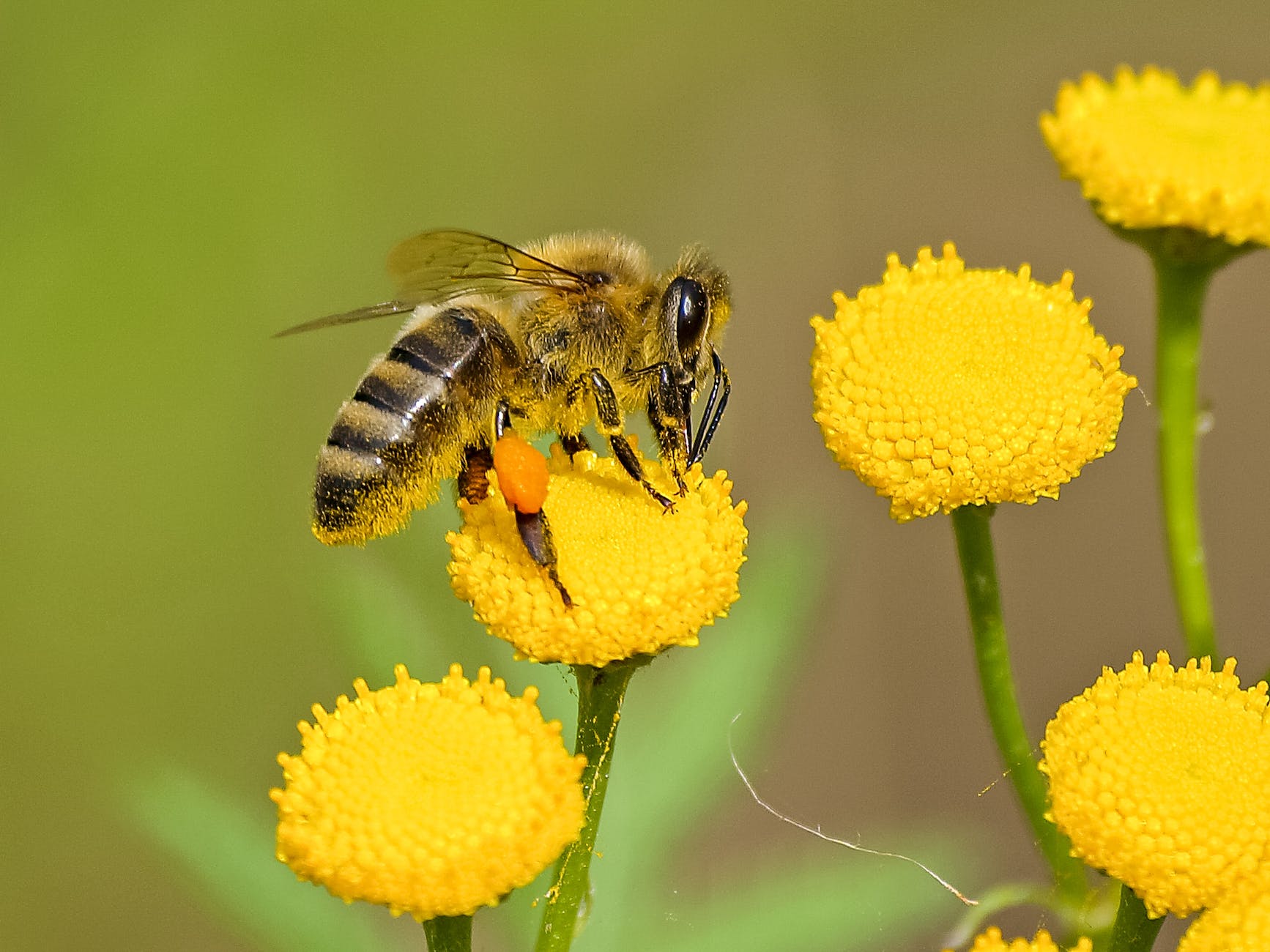
Hello, in this post I will be teaching you about why bees need to pollinate, why flowers need to be pollinated, why flowers produce nectar and what happens if they don’t.
Flowers produce nectar as a reward for pollination, the process of transferring pollen from flower to flower. Many flowers need pollen to reproduce. However, because plants are immobile (not moving)they need help with pollen transfer. An animal that transfers pollen from flower to flower is called a pollinator.
Why do Bees Need To Pollinate?
Pollen is mainly used by bees. Packed with protein, queen bumblebees use pollen to engage their ovaries after hibernation, so they can start laying eggs. Bees also collect pollen and use it to feed their young, which makes them grow strong and healthy.
Why Do Flowers Need To Be Pollinated?
Pollination is the transfer of the pollen grain from the stamen (the male part of the flower) to the stigma and egg (the female part of the flower). It is through pollination that plants are fertilised and able to produce the next generation of plants, including the fruit and crops we eat.
What Would Happen To Our Planet Without Bees?
If our planet had no bees, we may lose all the plants that bees pollinate, all of the animals that eat those plants and then us. A world without bees could struggle to sustain the global human population of 7 billion. Our supermarkets would have half the amount of fruit and vegetables. This would be humankind’s tragic end.
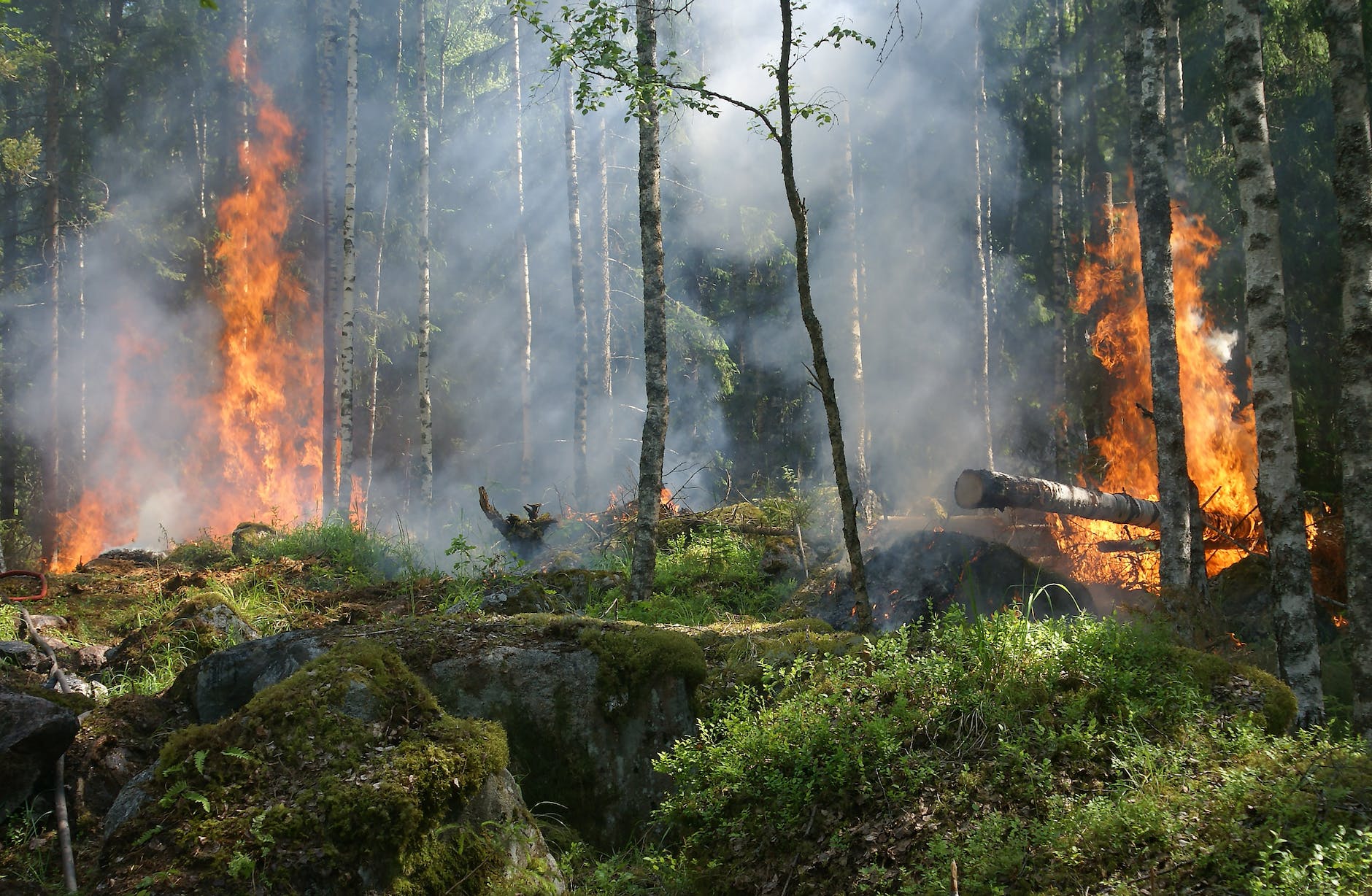
In this post I will be teaching you about wild fires, how they start, how they affect humans and animals, how they are dealt with and what’s good and bad about them.
Wildfires can be caused by surrounding environment, weather, even human actions and forgetfulness. Wild fires usually start from a long period of drought and intense heat, this is most common in places like Australia Canada and Greece. Other causes for wild fires include: lightning, campers that don’t put out their fires properly and low amounts of rain.
How they affect Humans and Animals
Wild fires can effect both physically and mentally; inhaling the smoke can cause lung Cancer and breathing problems and direct exposure to flames or radiant heat can cause burns, injuries, and heat-related illnesses (e.g., dehydration, heat stroke), possibly resulting in death.
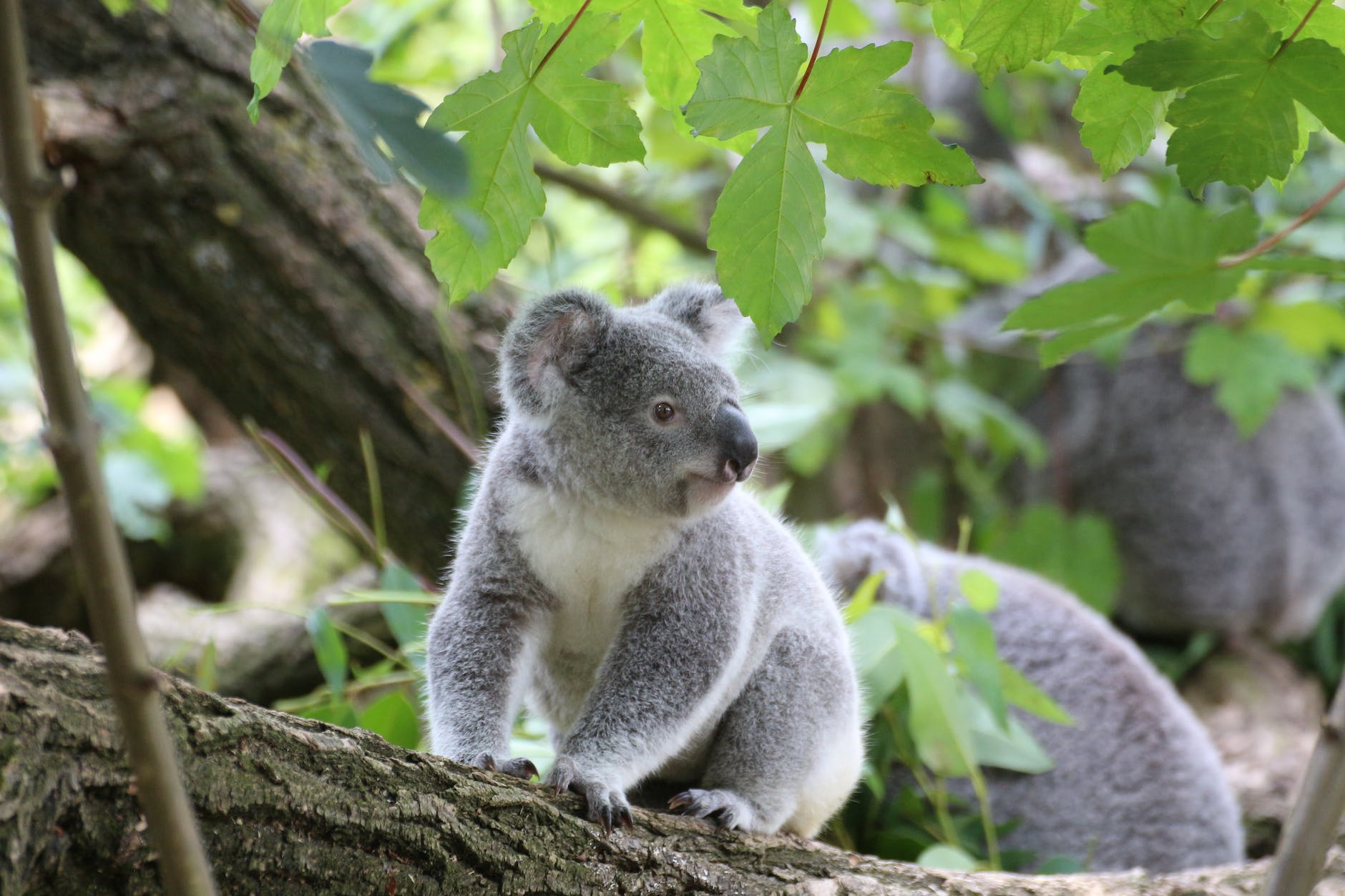
Not only Humans but Wild fires are highly dangerous for animals. For animals trapped in the path of a wildfire, the impacts can be life-threatening (or debilitating). Thick smoke from fires can disorient animals, irritate their eyes, and cause difficulty breathing. Loss of habitat can be catastrophic for some animals which can make a difference on whether an animal is endangered, threatened or even extinct rather than the species thriving happily like they would in a danger-free habitat. Koalas and many other animals are highly hurt by wild fires and habitat loss.
If you are in an area where a wild fire is taking place, helicopters will arrive to drop buckets of water on the area of the fire to try and put out the flames and the fire brigade will be on land. People in the area or nearby will be evacuated to a safe area.
Can Wild fires have a positive impact?
Wildfires clear areas of old vegetation and encourage the decomposition of plants, leaving behind space and important nutrients for new plants to feed on, and it brings people together in a time of need.
On a more negative note, Wild fires can also demolish towns and important buildings. They destroy habitats for many animals and there negative impact outshines the positive.
Try get full marks on these tests. Don’t worry if you get something wrong, you can do it again! Here is the websites that you can search up to take the tests:
These quizzes are all from one of the most influential animal charities: WWF! At Bella’s World we try and donate as much money as possible to this fantastic charity as well as supporting other smaller organisations for animals health and safety.
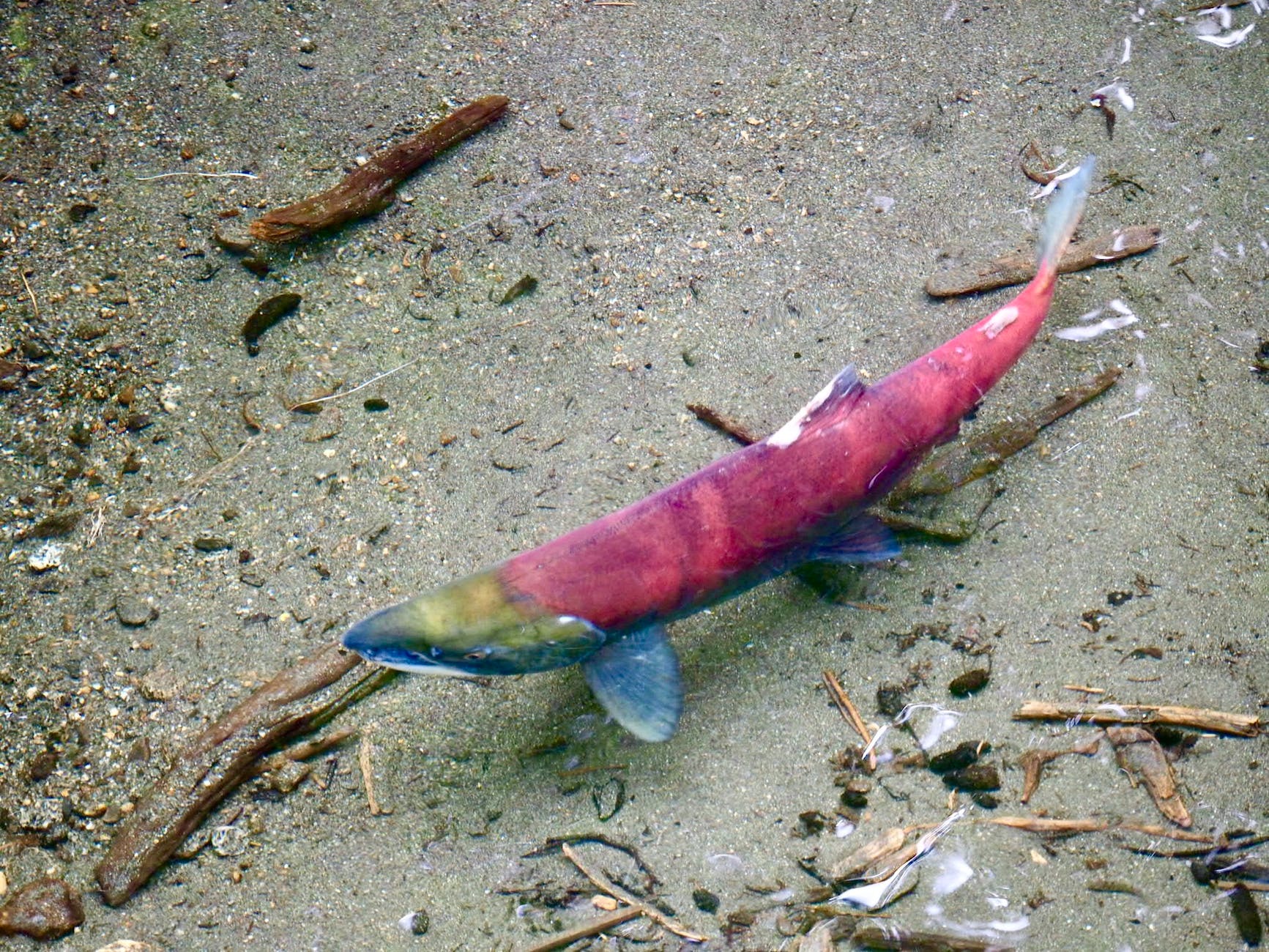
Sockeye salmon are one of the few fish that can move to fresh to salt water, then salt back to fresh. These remarkable fish travel as babies from Alaska fisheries and go to the sea traveling up to 1000 miles to get to salt waters where they can feed. When they head back to their fresh water pool where they where born, guided by the earth’s magnetic field, the Salmon, have to travel miles and miles. On top of that, when they swim, currents push them to the opposite direction. They don’t let one thing stop them. But they don’t only have one trouble.
Bears. When it comes to Salmon, Bears just simply need to have a taste. Pouncing and roaring, the Bears enjoy a hearty meal. Lots of Salmon will die. But most will pass. Salmon are quick and agile, so bears have not got much of an advantage. Thankfully missing being eaten, the rest of the school will travel on. Finally, they reach their pool. As they reach, their bodies will change. We call this, the breeding season. Their flanks start to turn red and males jaws start to become hooked. The redder, the fitter. But, remember, not only one trouble.
Seals.
The only fresh water seals in America. Going for the now red Salmon, the Seals breath for air and dive down. Snapping at the Salmon. But like I said before, Salmon are quick, so the Seal changes plan. The Seals hide in plain sight. They ignore the males right in front of them. The Seals go for the females, as they have rich eggs waiting to be released. When the seal had had enough, they go away, leaving the rest of the females. First they need a mate. When they find one they lay the eggs. But as soon as they have laid the eggs after mating, they die. The males die as well. There bodies gives lots of fertilisation. But, as the eggs hatch, the whole Salmon story starts again!
Please do watch David Attenborough’s OUR PLANET II on Netflix. I really recommend it as that is where I got these facts from.
Have you ever wondered what a group of …. is called? Or had a sudden curiosity about why animals are named in this way? Well this is the perfect article for you! Below are the names of certain groups of animals that you may or may not have come across before….
Apes: a shrewdness
Axolotls: a harem
Antelopes: a herd
Bats: a cauldron, a cloud or colony
Bears: a sleuth or sloth
Badgers: a cete
Baboons: a troop
Camels: a caravan
Cobras: a quiver
(Wild) Cats: a destruction
Coyotes: a band
Crocodiles: a float
Cheetahs: a coalition
Crows: a murder
Ducks: a brace, paddling or team
Deer: a herd
Donkeys: a drove
Eagles: a convocation
Elephants: a herd or parade
Elk: a gang or herd
Emus: a mob
Falcons: a cast
Ferrets: a business
Finches: a charm
Fish: a school, shoal, run, haul or catch
Flamingos: a stand or flamboyance
Flies: a swarm, hatch or business
Foxes: a skulk or leash
Please comment on which animals you would like to know the names of below….
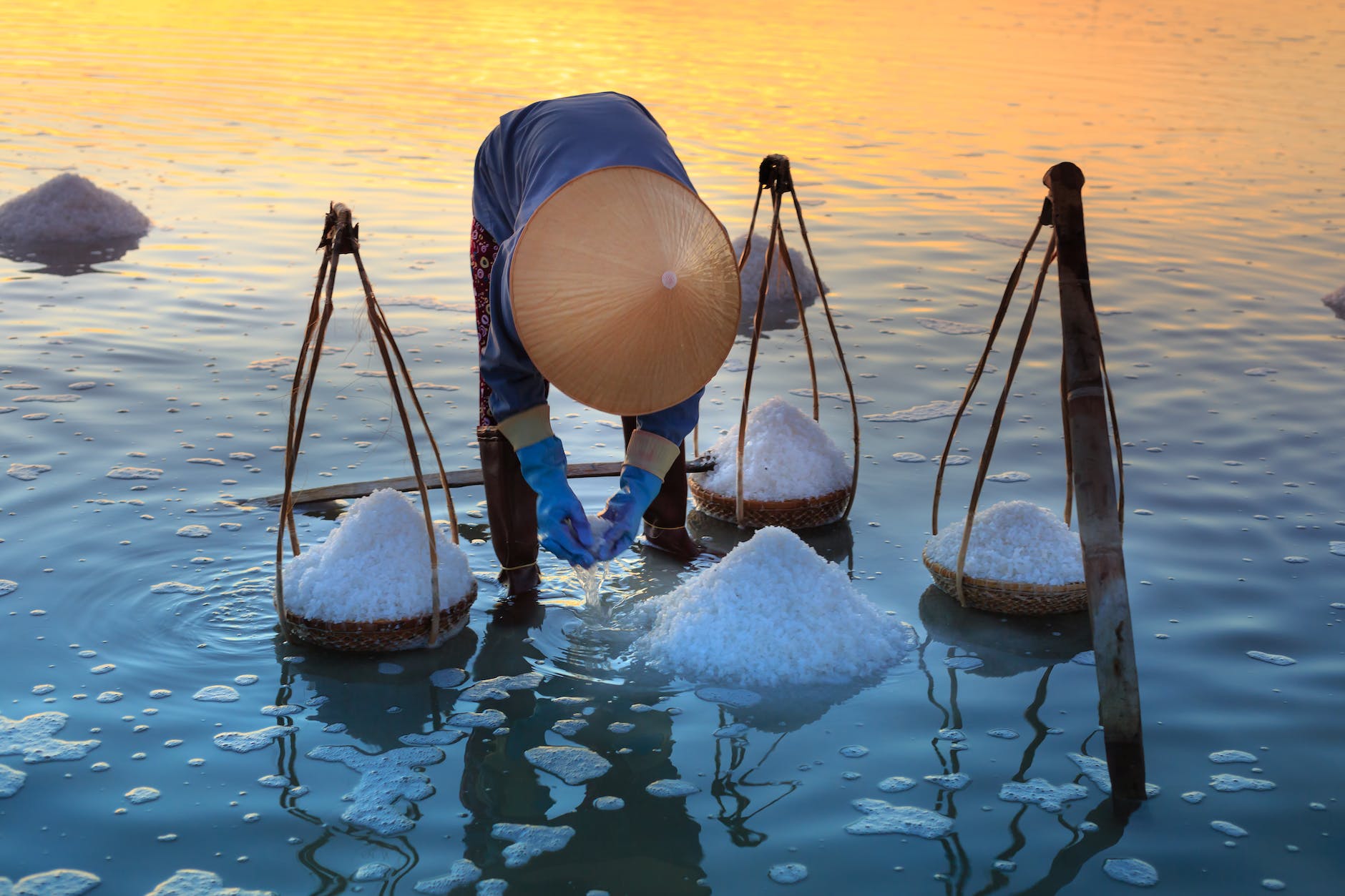
Have you ever wondered why our oceans and seas are so salty compared to the water we drink? In this article we will be uncovering the secrets of the sea’s salt and exploring the deep world of the ocean. So, let’s answer the question many people think of when they are on the beach, Why is the Sea so Salty?
Well, Salt in the Ocean comes from two sources: Opening in the seafloor and minerals from rocks. In the beginning the seas were only a slight bit salty due to opening in the seafloor, but over time as heavy rain fell onto earth’s land, it broke many rocks the minerals from these rocks then transported into our oceans and seas.
Why can’t humans drink Sea Water?
Drinking sea water can be deadly to humans! When we drink seawater our cells are taking in water and salt. While we can safely digest a small amount of salt, the salt level in the ocean is much higher than what our human bodies can handle.
What would happen if our sea wasn’t salty?
An Ocean without salt would cost moving 45 million tones of salt and would kill the majority of sea life. It would also trigger many natural disasters including heavy earthquakes and erupting volcanoes therefore affecting our global temperature and weather dramatically.

 Bella's World