Best animals

We will give you a set of animals to pick from.​

Only submit two votes no more. You can vote for only one if you feel like it!​

Please make sure that you have submitted an animal from the cute animal choices we have given you.​ The choices are:

Dolphins ​

Turtles​

Axolotl​

Shark​

Jelly fish​

Meercats

Leopards​

Elephants​

Giraffes​

Alpacas​

Llamas

Pandas

Red Pandas

Bears

Put votes in comments but you have to make sure you have not done more then two votes.

By Coral
Lyrebirds

The Lyrebird is a remarkable bird known for its plain appearance, mimicking, and solitary lifestyle. Though it looks plain, the Lyrebird’s impressive vocal abilities make it stand out from other birds, making it a fascinating creature to study. They mimic almost any sound they hear, from a chainsaw to a person speaking! They also have the ability to create their own complex songs. Even once, a lyrebird was recorded to have mimicked a kookaburra’s song and the kookaburra thought the lyrebird was another kookaburra!

The male lyrebirds have long, beautiful tail feathers that resemble the shape of a lyre, hence their name. These feathers are used during courtship displays where the male lyrebird will spread his tail feathers and dance in front of the female.Lyrebirds are primarily found in the rainforest and scrubland regions of Australia. They are ground-dwelling birds and have a diet that consists of insects, small reptiles, and seeds. Unfortunately, the lyrebird’s population has gone down due to the destruction of habitats and hunting. Lyrebirds are a unique and important part of Australia’s biodiversity.

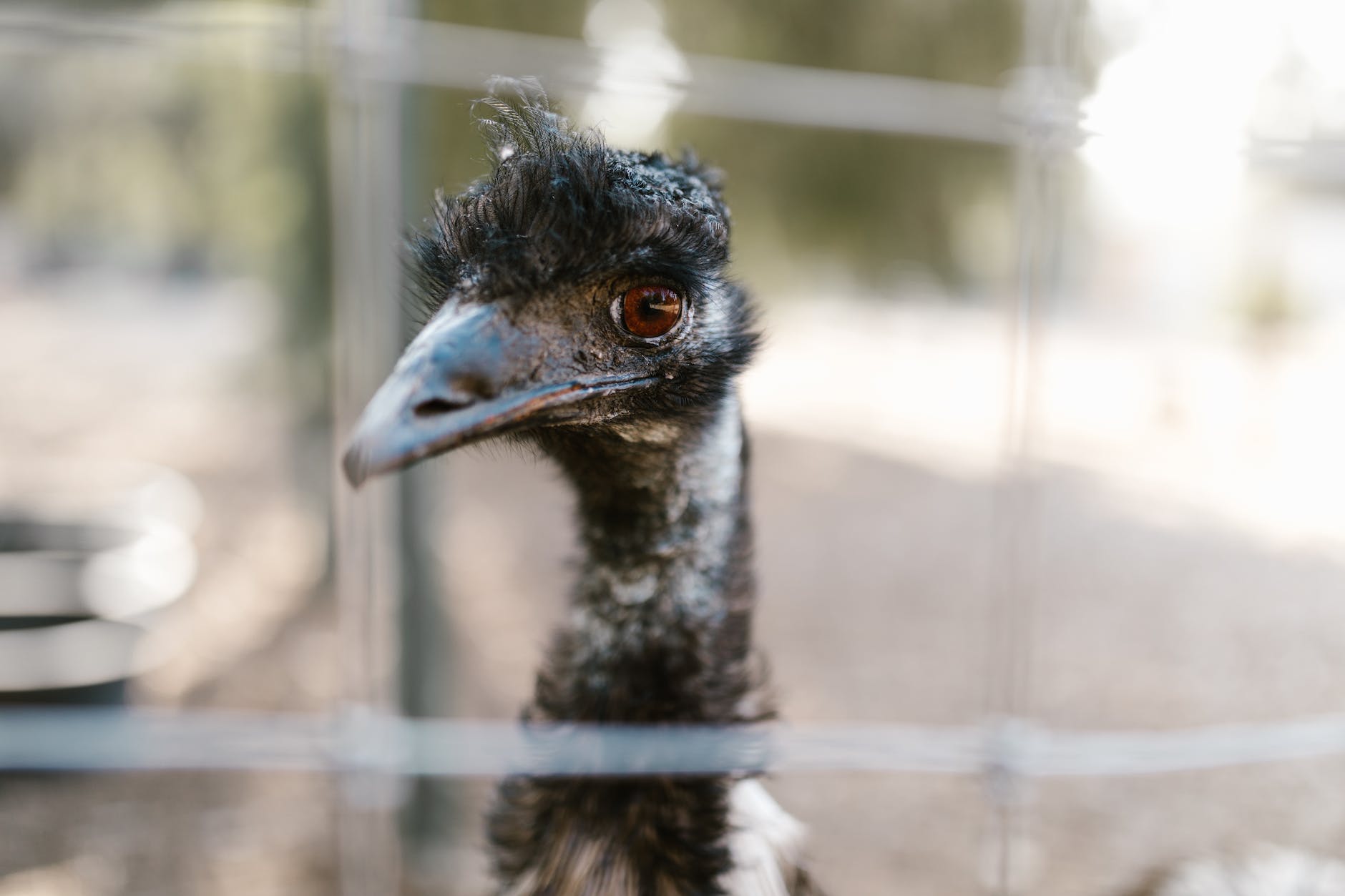
Emus

Photo by RDNE Stock project on Pexels.com

Strolling through the Australian plains the majestic Emu gazes at you. Emu’s are native to Australia and are flightless. They use their wings to fan themselves. The fastest recorded Emu was 31mph. Emu’s have an interesting history, they were hunted (or poached) for their meat, our, skin and feathers. Luckily the ICUN have stopped all the hunting with help from the Australian government.

These are some cool facts!

  • They can grow up to 2m tall.
  • They can live between ten and twenty years in the wild.
  • They are covered in soft fluffy feathers.
  • They have two sets of eyelids, one for blinking and the other for keeping the dust out!

Thank you for reading,

Phoenix

Palm oil effects: Deforestation

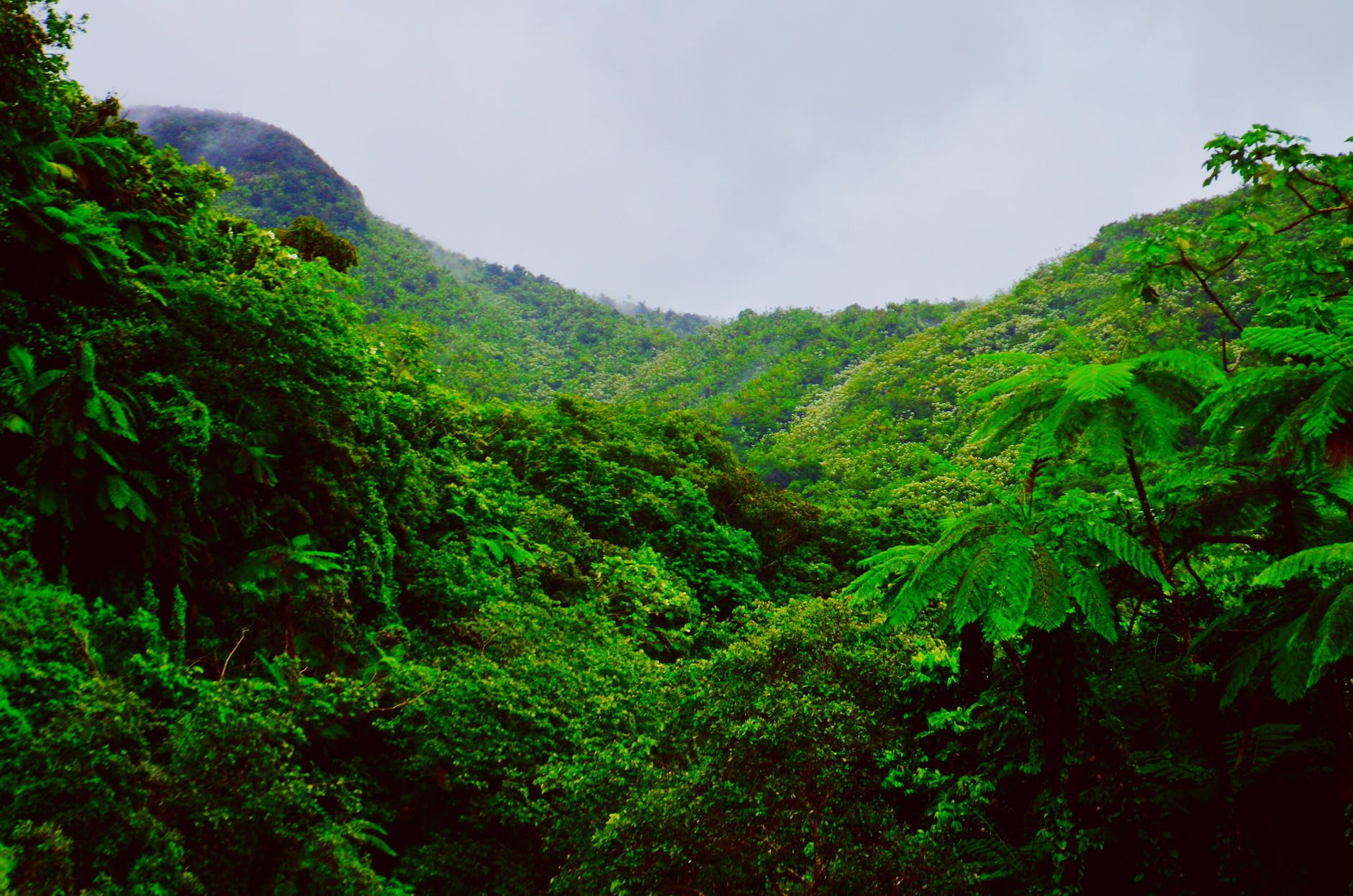
Deforestation is the clearing of forested land. Throughout history and even today, forests have been cut down to make space for agriculture and humans.

Photo by Molly Champion on Pexels.com

When I travelled with my family to Malaysia, I was surprised to see so many palm oil plantations. Many of the rainforests we passed had been cleared for palm oil. It became a huge problem as cutting down rainforests means a lot of wildlife such as the rhino, elephants and tigers have all become endangered. Malaysia is now working hard to stop deforestation and to ensure rainforests are protected.

African Lungfish

Photo by Ian Turnell on Pexels.com

Have you ever thought about a fish with lungs instead of gills? That’s the amazing lungfish! The species (of lungfish) we are talking about today is native to Western Africa. You may be thinking why do they need lungs, lungfish need their lungs as every year their floodplain homes dry out. In order to protect themselves they make a cocoon and breathe through their lungs. African lungfish eat a variety of foods as they are omnivorous. Their diet consists of frogs, fish, mollusks, tree roots and seeds. Luckily, according to the ICUN they are least concern!

Thank you for reading,

Phoenix

Llamas

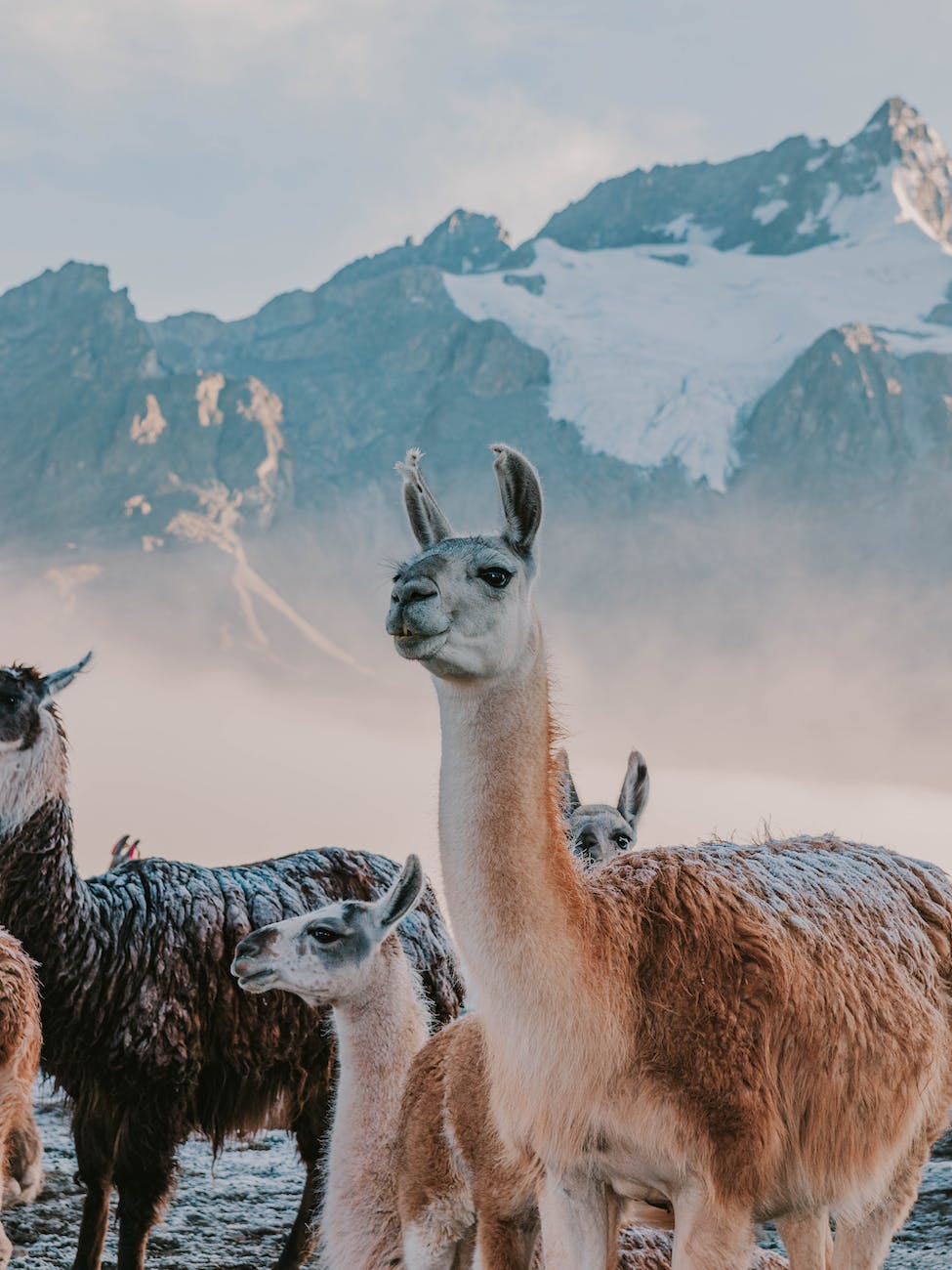
The llama is a pack animal, but it is also used as a source of food, wool, hides and dried dung for fuel. Llama herds are found mostly in Bolivia, Peru, Colombia, Ecuador, Chile, and Argentina, and they have been exported to other countries.Typically, they are saddled with loads of 50 to 75 pounds. With this weight they can go up to 20 miles in a single day.They can go through rough terrains carrying this weight.

Photo by Angelo Herreras on Pexels.com

The llama is a large camelid that originated in North America about 40 million years ago. Llamas migrated South America to and Asia about 3 million years ago. Llamas are larger than Alpacas and their heads longer in length. Llamas ears are banana shaped and a fully grown llama is about 3-4 feet tall . A baby llama is called a cria! A cria can weigh from 9 to 14 kilograms. They live for roughly 15-20 years and give birth to one baby. They only sound they make is a hum but if they are upset or frightened then they will make an alarm sound. Llamas can feel depressed if there is not other llamas around. They are calm and friendly but slightly shy. They are very easy to train but can spit if angry but only at other llamas. They are kind and gentle and can be curious! Llamas can hum, cluck, hiss and make an alarm call! ​

All about me: Coral 🐶🐬

Hi I am Bella’s best friend Coral Sea. I love the ocean and my favourite element is the element of water. I love the environment and I want to save it at all costs. Being the head of geology and sea life gives me a feeling that with the rest of Bella’s world, we can do this. I love dolphins and adore dogs.

I also am addicted to pusheens and pugsheens and know a lot about them

There is a type of dolphin called the vaquita. They are existing by 8 left! We need to save them!

I also have a strong passion for geology. My favourite rock is an opal.

By Coral                            

Red Pandas facts

Hi, I am Meadows and here are some facts about red pandas. I would like you to see. Here are the following facts:

  • Red pandas can be found in the Himalayans
  • They are not related to big panda’s
  • A Red Panda’s diet is 98% bamboo
  • Kind of like cats and bears
  • They are carnivores

I hope you all enjoyed reading these facts by meadows bye for now

Alpacas

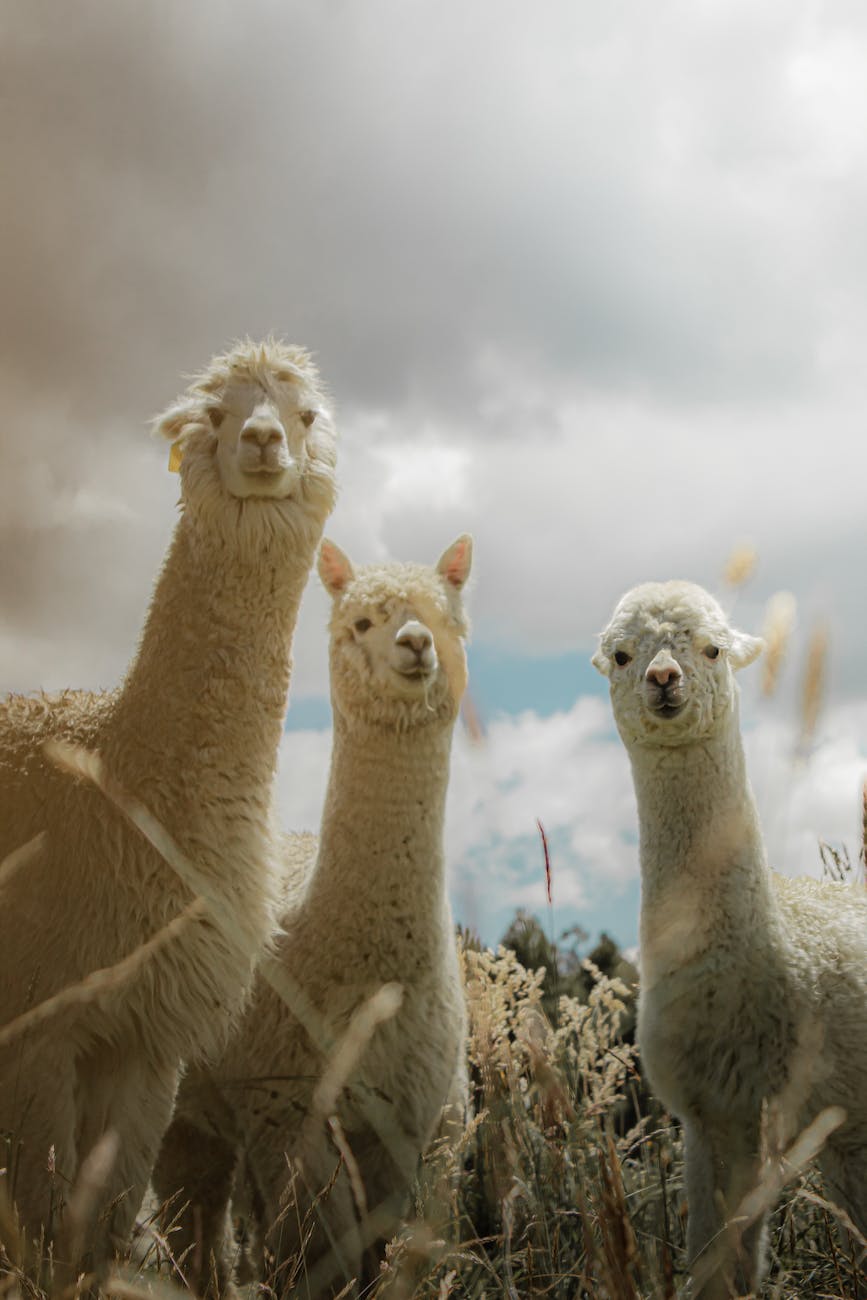
Alpacas are mammals belonging to the same family as camels and llamas. They are often confused with llamas but they are noticeably smaller. Native to south America, these animals tend to stick together and did you know, if there is not more than two alpacas they could die because they were lonely! They differ from llamas as they are by their smaller size. They stand approximately 90 cm (35 inches) high at the shoulder and weigh 55 to 65 kg (121 to 143 pounds). The alpaca also differs from the llama in having a rounded but squarer body it has a habit of pressing its tail close to the body, rather than holding it upright like the llama.

Photo by james lucano on Pexels.com

The alpaca’s shaggy coat varies in colour from the usual black or brown through lighter shades of grey and tan to pale yellow and white.Alpacas are important for fleece production. During the period of Incan civilisation, the wearing of robes made of alpaca and vicuña fleeces was reserved for the nobility and royalty. The fleece of the suri is fine and silky and grows long enough to touch the ground if the animal. The fleece of the huacaya is shorter and coarser by comparison. The fleece of alpacas are lighter yet warmer than other fleece creating animals!

Reuse, not throw

If you have a leftover plastic bag, or a plastic box, don’t throw it away, reuse it!

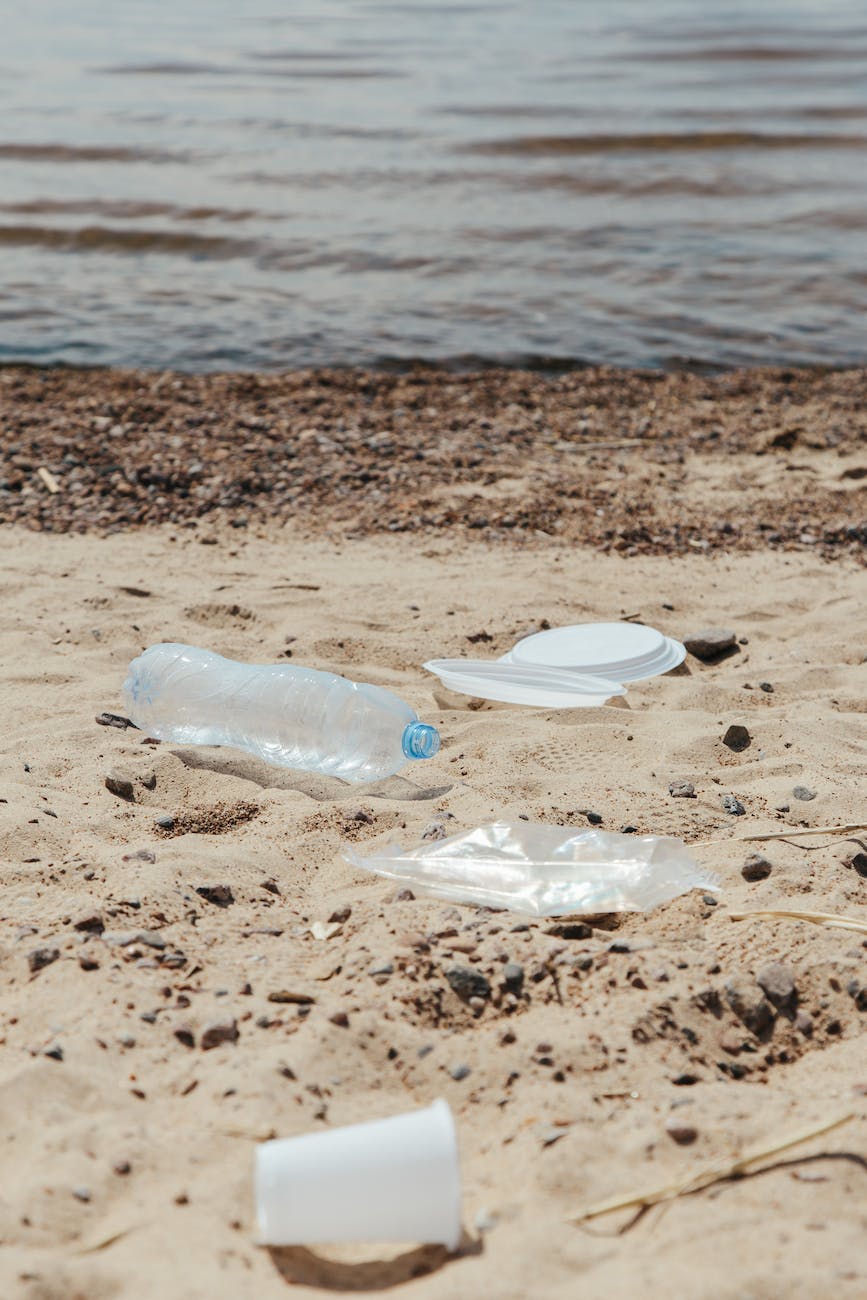
Each year, more than 1 million sea birds and 100,000 marine animals die from plastic pollution. 100% of baby sea turtles have plastic in their stomachs. In our world right now, there is 5.25 macro and micro plastic in our seas and oceans and 46,000 pieces in every square mile, weighing up to 269,00 tonnes.

Read on to find out more…

Photo by Ron Lach on Pexels.com

Did you know, there is an ocean garbage patch which is twice the size of Texas?!

Plastic can cause suffocation towards animals and make them drown the their grave. You may think it is hard for fish to drown, but plastic gets in their food, and their gills. They also get stranded on beaches.

When you next go to the beach, clean the ocean! Also, reuse, not throw.

By Coral