Cows are well-known animals, and they can be found pretty much everywhere in the world, apart from the Arctic and Antarctica. They can weigh from 700 lbs to 1760 lbs (317.515 kg to 798.3226 kg). Cows have complex brains and emotions and can be as big as a car! An average cow can produce up to seven gallons (31.8226 L), and they are the second-largest domesticated animal in the world and have been for over 10,000 years.
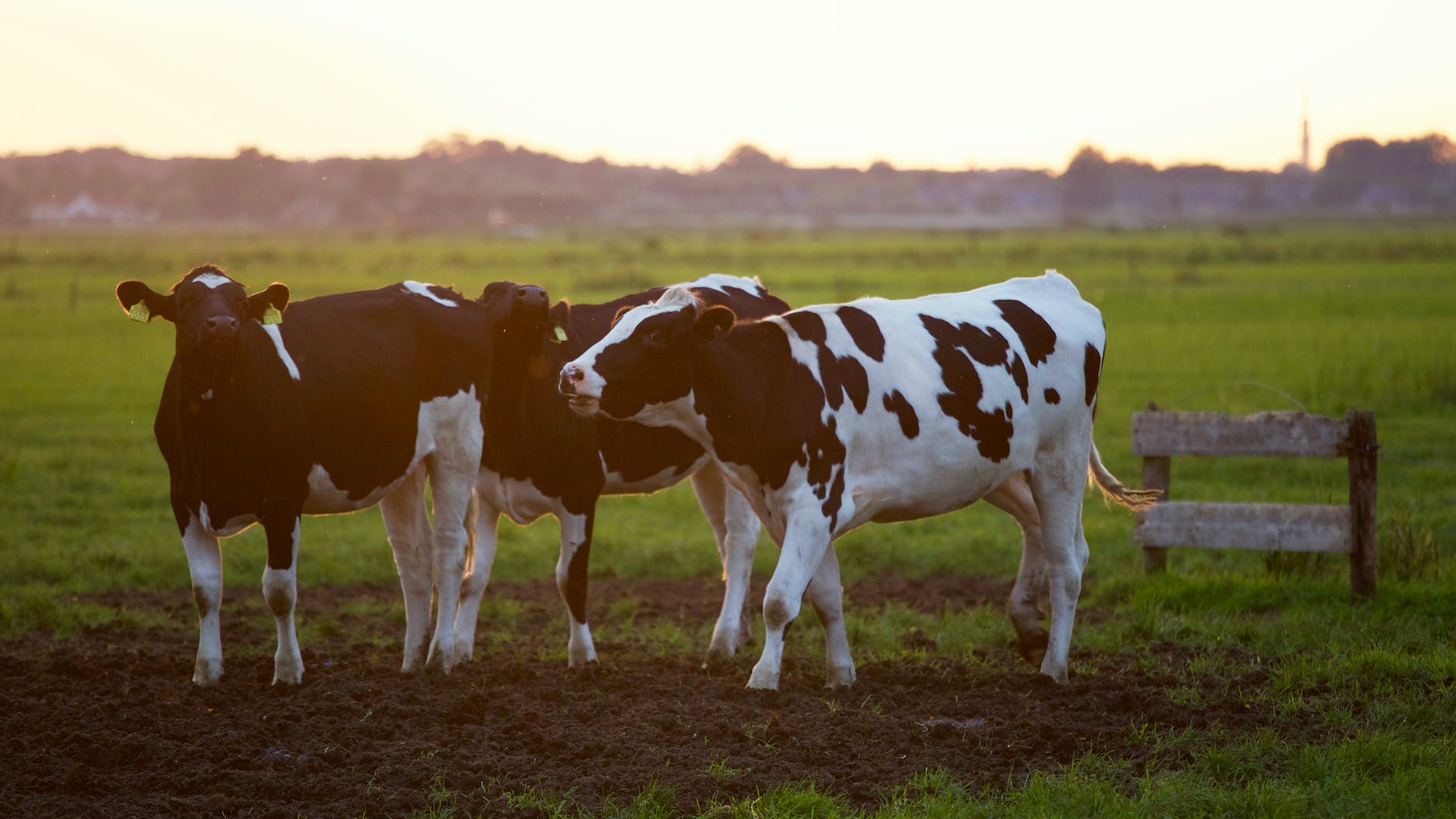
There are over 250 different breeds of cow, a few being: the Angus Cow, the Belted Galloway Cow, the Charolais Cow, the Dexter Cow (one of the smallest cows), and the English Longhorn Cow. A group of cows (of wild cows) is called a kine and a group of cattle is called a herd. Wild Cows are very adaptable, as they can live in tropical environments/hot places or in cold and wintery places. A baby calf can walk shortly after birth. Cows were domesticated over 10,000 years ago from an animal called the Auroch. Aurochs were twice the size of a cow and are extinct. There are over 1.4 billion cows in the world!
Cows and other farm animals produce about 14% of human-induced climate emissions, and it is methane from their burps and manure that is seen as both the biggest concern and best opportunity for tackling global heating. When a cow burbs it lets a gas called methane into the air which is harmful to the environment it is caused by a process called enteric fermentation that contributes to methane emissions. Enteric fermentation is the digestive process in which sugars are broken down into simpler molecules for absorption into the bloodstream.

