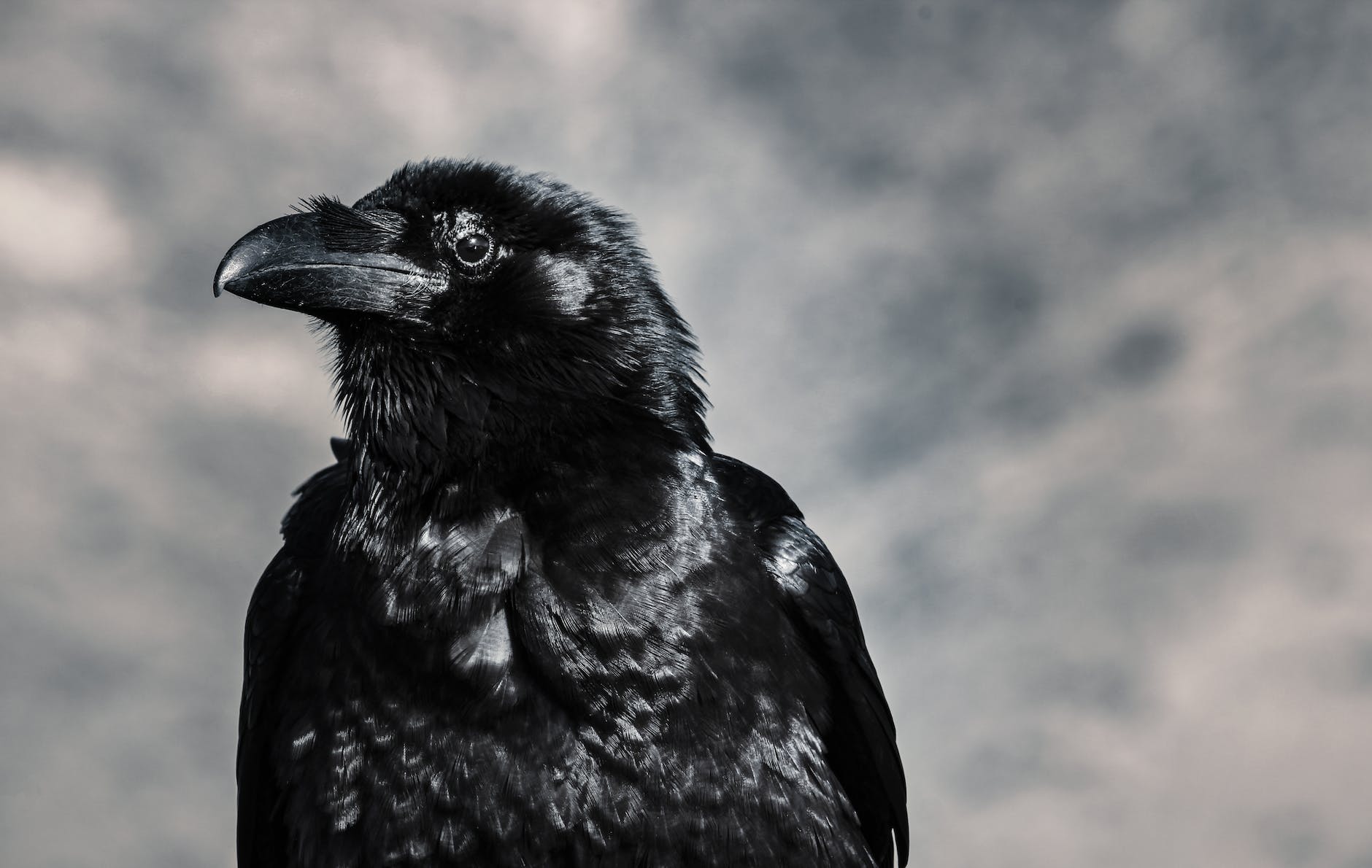
Have you ever seen a crow wandering in a green space. But do you know the true genius in them? The majority of people think they are worthless thieves but instead they are true geniuses. Simply look up on Ecosia (an eco friendly search engine) or watch on YouTube crow puzzles. You will see the intelligence, the pure power of their brains. They have mastered using tools and advanced problem solving techniques.
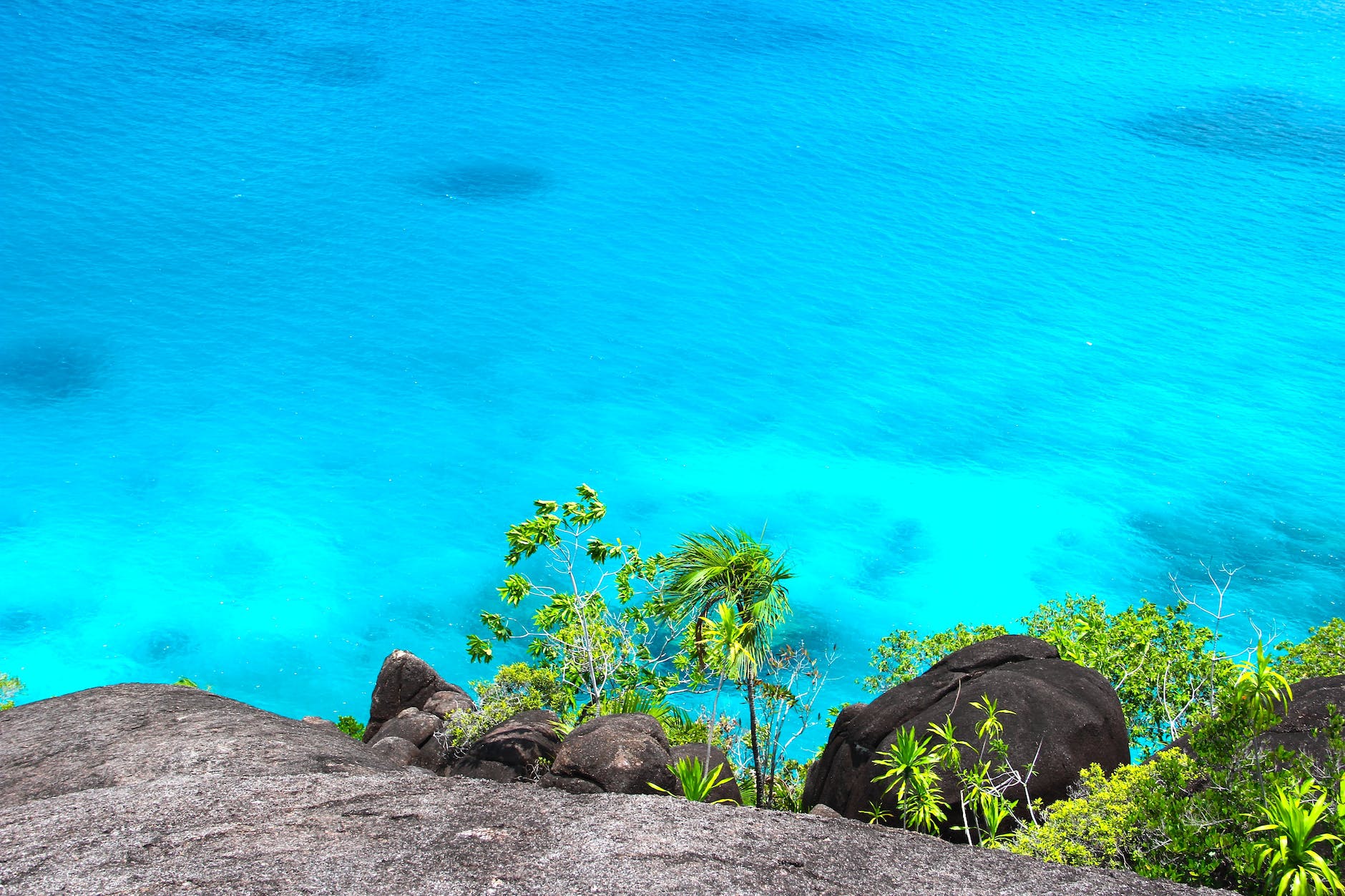
St Vincent and the Grenadines is a group of islands in the southeast Caribbean. It is made up of 32 lush, Caribbean Sea surrounded islands, of which, only 9 are human inhabited. With volcanic terrain, crowded ports, and sun-kissed beaches, St Vincent is a popular spot for tourists who seek out the tropical climate. Though it has a fairly good economy and a decent income, most of it comes from wealthy foreigners who come from abroad to enjoy the sweet Caribbean heat on privately owned islets and in resorts. In this report, we will look beyond these hotels and discover St Vincent’s rich history, culture and heritage.
Cities St Vincent and the Grenadines has many different cities, each are unique and have their own styles of architecture. Most of the population lives in the country’s largest city and capital, Kingstown. Though it is said and spelt similarly to Jamaica’s Kingston, it is extremely different. Kingstown is a large port city situated in the south of St Vincent, and was created in 1722 by French settlers. The tallest building in Kingstown is the Financial Complex, a 60ft building that mainly houses government offices. Fort Charlotte has many spots where you can appreciate the wonder of the St Vincent and the Grenadines archipelago, and gaze into the idyllic landscape.
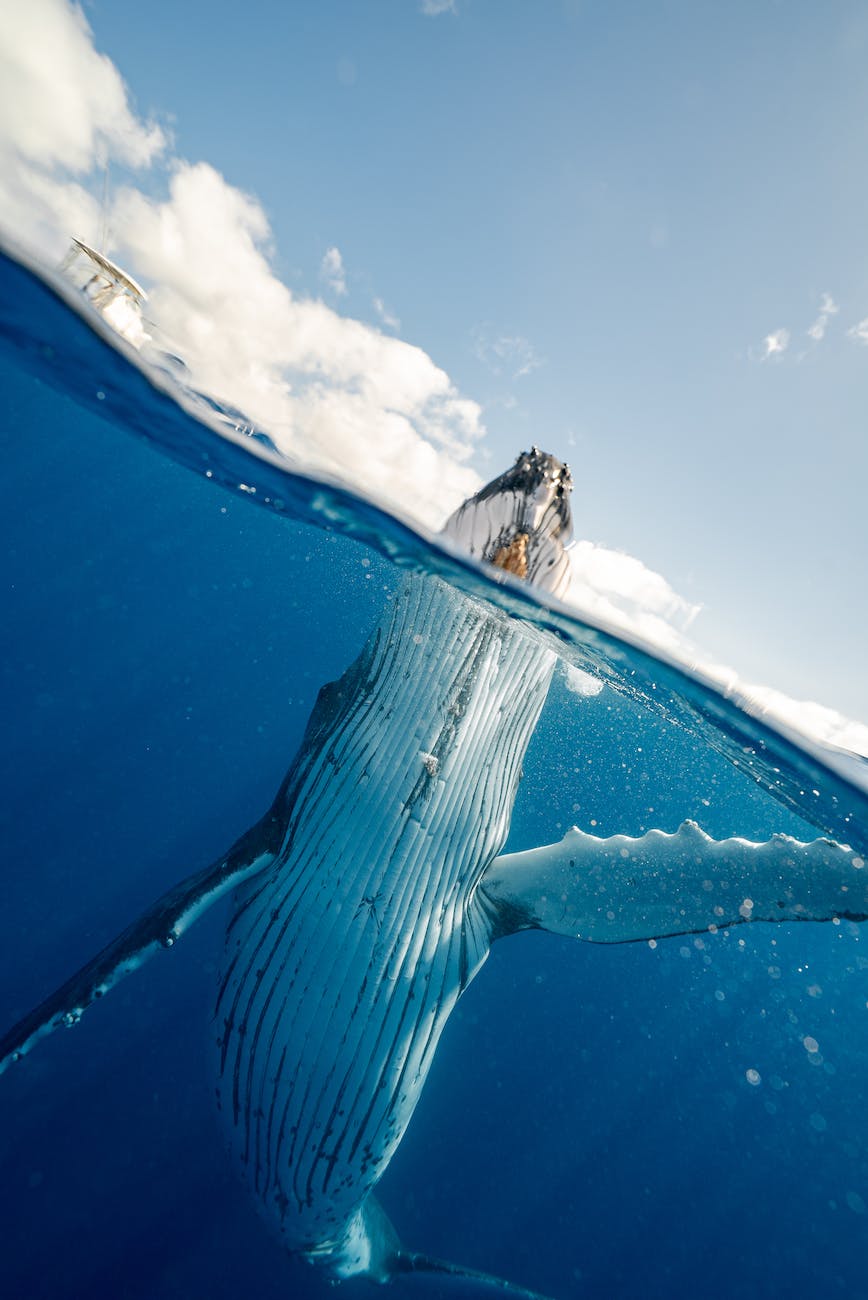
Nature The tropical rainforest of St Vincent and the Grenadines offer homes for a plethora of animals, and the stretches of ocean where the islands drift are full to bursting with a biodiversity. Rawacou is a park and garden found on the southwest of the island. With palm trees, two beaches, a pool, and some rock headland, Rawacou is sanctuary for wildlife such as humpback whales, brown pelicans, fish and the St Vincent amazon parrot, a green bird that is the country’s national animal. Many species of cetaceans gather around St Vincent to breed and find a mate: orcas, a large, monochromatic dolphin; false killer whales, an oceanic dolphin which makes up the entirety of genus pseudorca; and the pan-tropical spotted dolphin, a dolphin that has a distinctive ability jump. St Vincent and the Grenadines really has a plentitude of natural wonders.
Economy The majority of St Vincent and the Grenadines economy comes from tourism. Great amounts of unemployment, mainly from women and young people, are what St Vincent struggles with. Consequently, it is one of the poorest countries in the eastern Caribbean, and is therefore, not a popular destination for migrants, who only make up 5% of the population. Aside from tourism, banana farming and agriculture are it is main sources of economy, the largest exports being rice, flour and bananas, of which they mostly trade with neighbouring Caribbean islands. Moreover, you can appreciate that with a significant number of economic problems, St Vincent and the Grenadines is not the wealthiest country.
Thank you for reading and I hope you have a wild day -Gedemsa
What is acid rain and what affects do acid rain have on the environment? I chose to write this post because not many people know about acid rain and and in it’s going to be a big problem in the future or even today. Read this post to find out more.
what is acid rain?
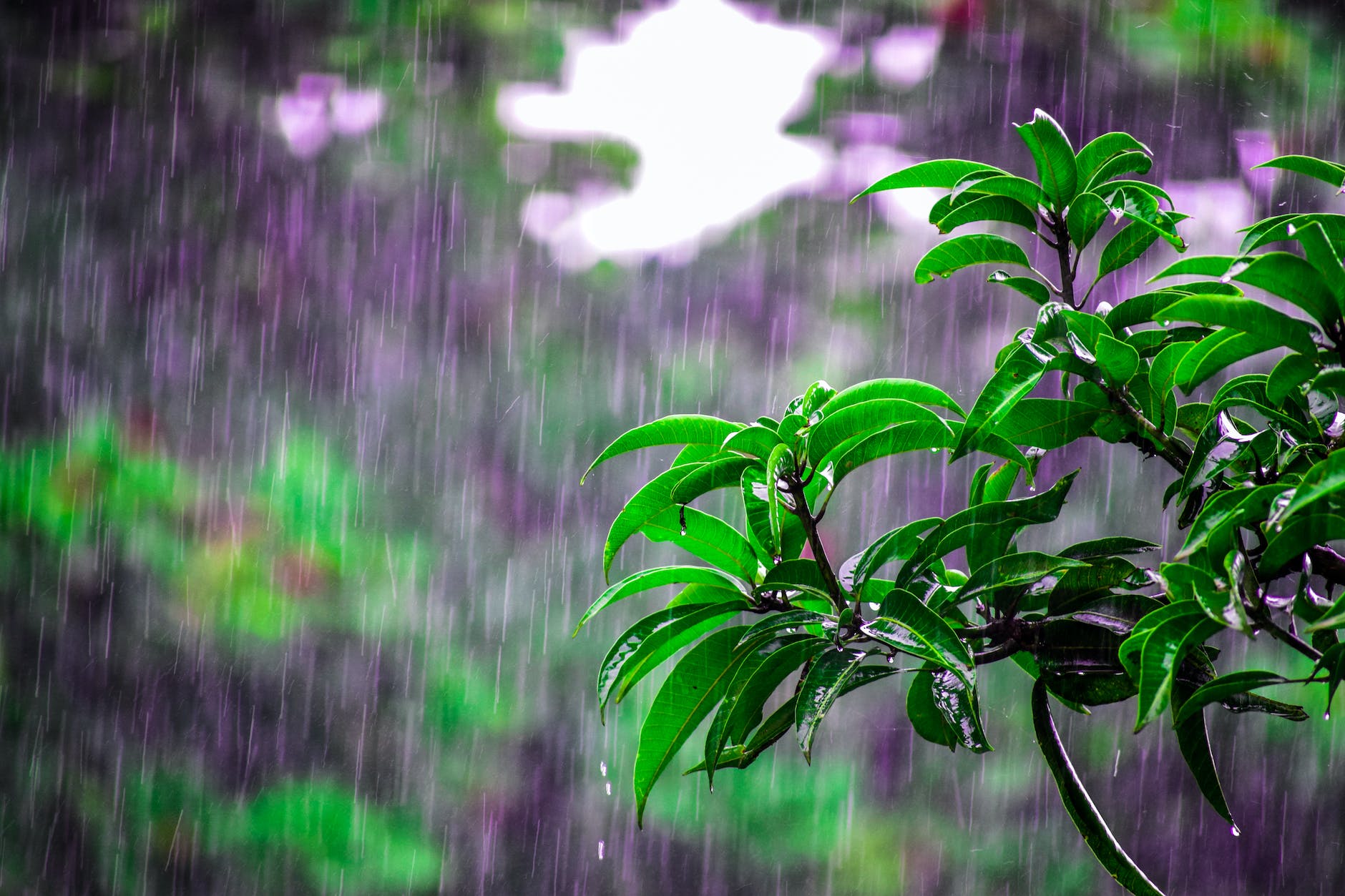
Acid rain, or acid deposition, is a broad term that includes any form of precipitation with acidic components, acid can fall to the ground from the atmosphere in dry or wet forms. This includes rain, snow, fog, hail or even dust that is acidic.
what affect does acid rain have on the environment
Dead or dying trees are a common sight in areas effected by acid rain. Acid rain leaches aluminum from the soil. That aluminum may be harmful to plants as well as animals. Acid rain also removes minerals and nutrients from the soil that trees need to grow.
At high elevations, acidic fog and clouds might strip nutrients from trees’ foliage, leaving them with brown or dead leaves and needles. The trees are then less able to absorb sunlight, which makes them weak and less able to withstand freezing temperatures.
Don’t worry acid rain contains acidity but its level is not harmful to our body although the ecological effects of acid rain are most clearly seen in aquatic environments, such as streams, lakes, and marshes where it can be harmful to fish and other wildlife.
Air pollution like sulfur dioxide and nitrogen oxides can cause respiratory diseases, or can make these diseases worse. Respiratory diseases like asthma or chronic bronchitis make it hard for people to breathe. The pollution that causes acid rain can also create tiny particles. When these particles get into people’s lungs, they can cause health problems, or can make existing health problems worse. swimming in an acid lake is not any more harmful than swimming in a swimming pool.
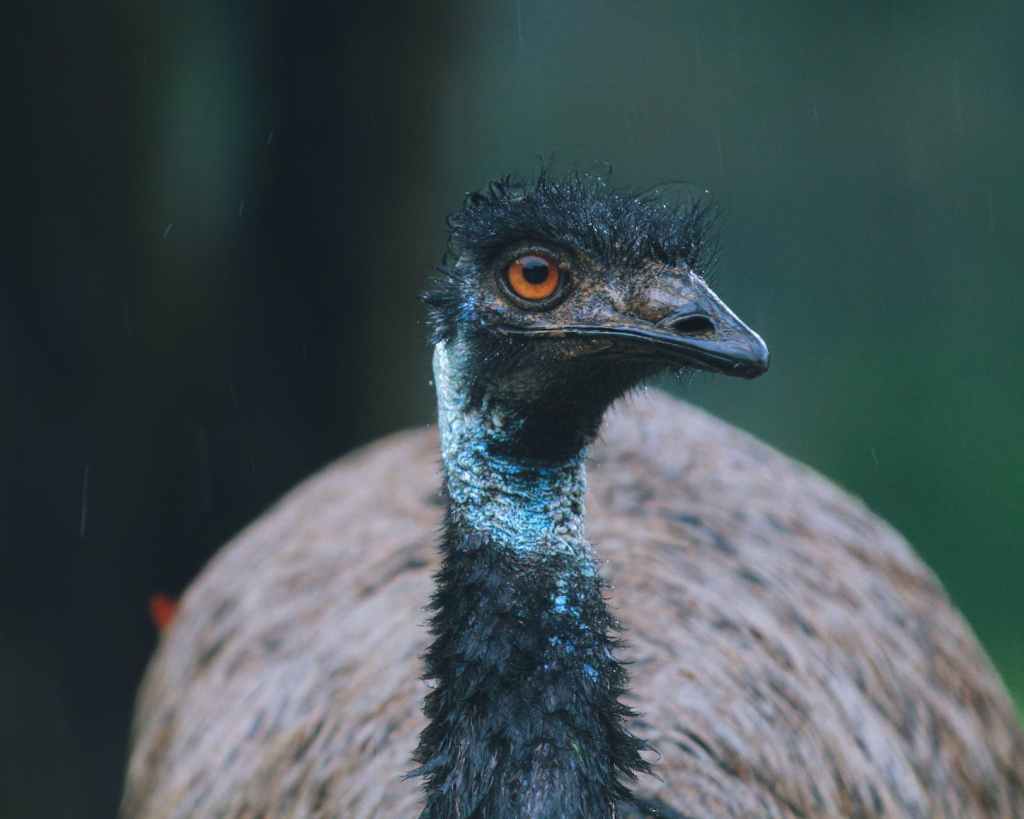
Welcome to the world of birds! Where the community is incredibly diverse and important to our ecosystem. I’m Phoenix, head of birds. We have a range of species from Budgerigars to Andean Condors. I personally am very good at identifying and recognising British bird song but I’m interested in learning about more birds. We also have the most intelligent creatures (that are not humans) like Macaws and Cockatoos. Cockatoos are one of the few creatures that can dance. There are roughly 10,000 species of birds worldwide.
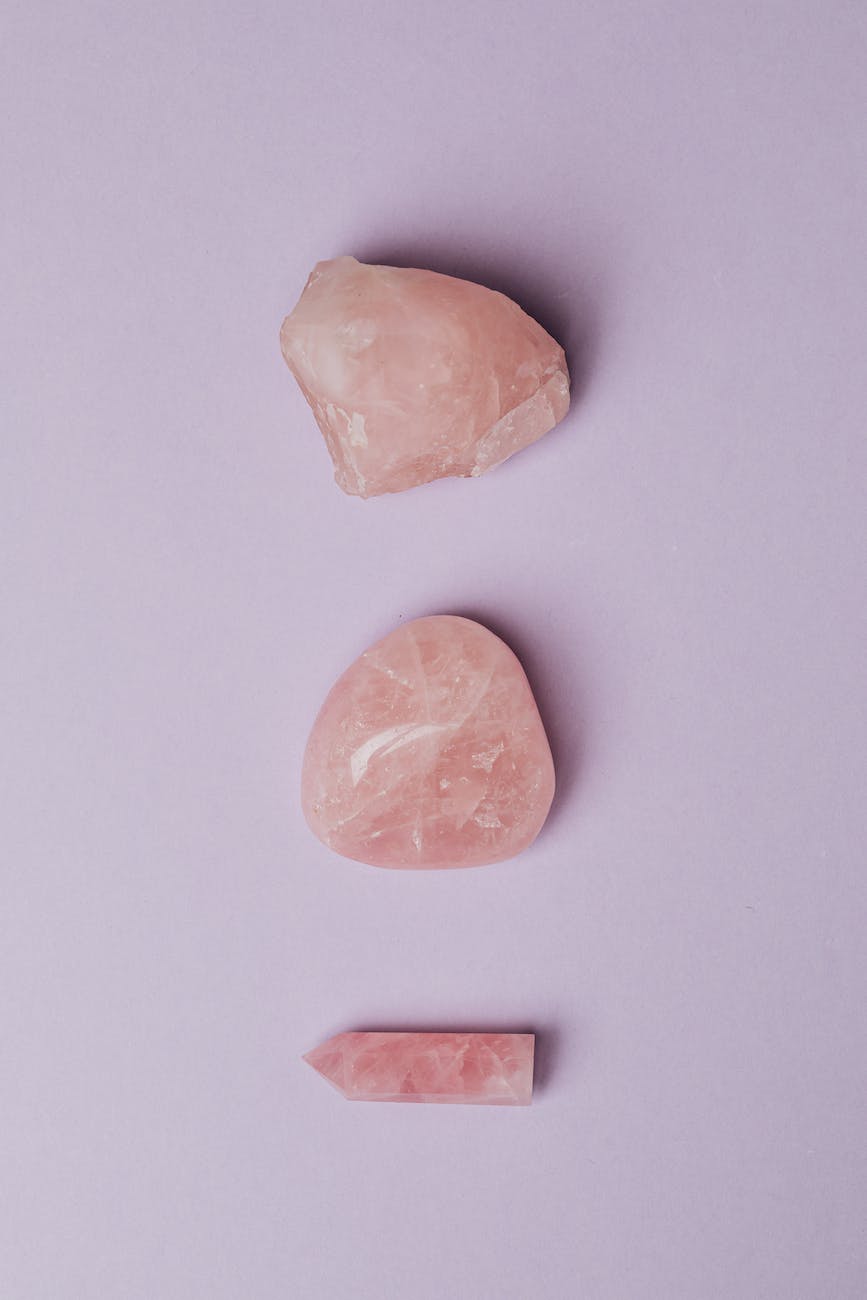
Hi, I am Coral head of geology. In the geology team we have myself and Bella. Geology is a fun topic you can explore to learn more about rocks and gemstones. Opals, quartz, halite, and even more! We want you to have a fun topic with quizzes, posts, and all sorts of things. Me and Bella can teach you all about rocks and gems and you can find out your birthstones! Dig deeper into the land of gems!
Hi, my name is Coral. I am head of sealife. I want you to have a topic where you can learn about sea mammals, fish, and even more! Explore the lives of dolphins and vaquitas who are highly endangered. Swim through waves while sharks chase you through a sea of facts. Rustle through the beaches while crabs pinch at your side. Here at sealife, we have a lot to offer.
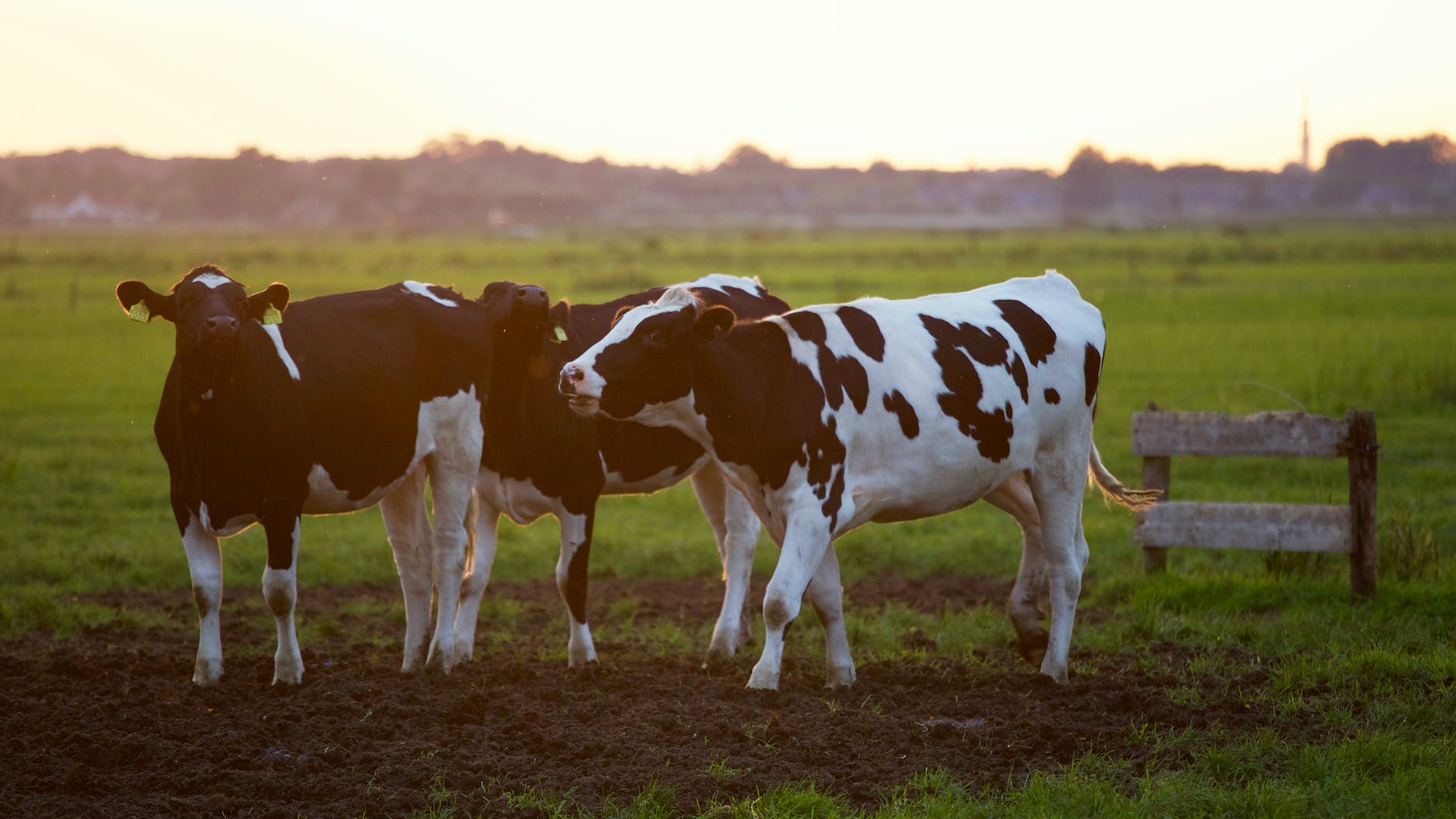
Cows are well-known animals, and they can be found pretty much everywhere in the world, apart from the Arctic and Antarctica. They can weigh from 700 lbs to 1760 lbs (317.515 kg to 798.3226 kg). Cows have complex brains and emotions and can be as big as a car! An average cow can produce up to seven gallons (31.8226 L), and they are the second-largest domesticated animal in the world and have been for over 10,000 years.
There are over 250 different breeds of cow, a few being: the Angus Cow, the Belted Galloway Cow, the Charolais Cow, the Dexter Cow (one of the smallest cows), and the English Longhorn Cow. A group of cows (of wild cows) is called a kine and a group of cattle is called a herd. Wild Cows are very adaptable, as they can live in tropical environments/hot places or in cold and wintery places. A baby calf can walk shortly after birth. Cows were domesticated over 10,000 years ago from an animal called the Auroch. Aurochs were twice the size of a cow and are extinct. There are over 1.4 billion cows in the world!
Cows and other farm animals produce about 14% of human-induced climate emissions, and it is methane from their burps and manure that is seen as both the biggest concern and best opportunity for tackling global heating. When a cow burbs it lets a gas called methane into the air which is harmful to the environment it is caused by a process called enteric fermentation that contributes to methane emissions. Enteric fermentation is the digestive process in which sugars are broken down into simpler molecules for absorption into the bloodstream.
Opals are a type of mineral. Opals can be found in Mexico, Brazil, Honduras, and the western United States of America. Most gemstones normally have a power that people believe in. Opals are believed to have healing powers due to the fact that they are also believed to be the tears of god. Opals can come in many different colours such as rainbow, blue, fire, black, clear, pink, and so on. These can be used in jewellery and you can even buy them on there own.
Without being polished, opals just look like any other rock. Some of them show a little but shine through a bit.

 Bella's World